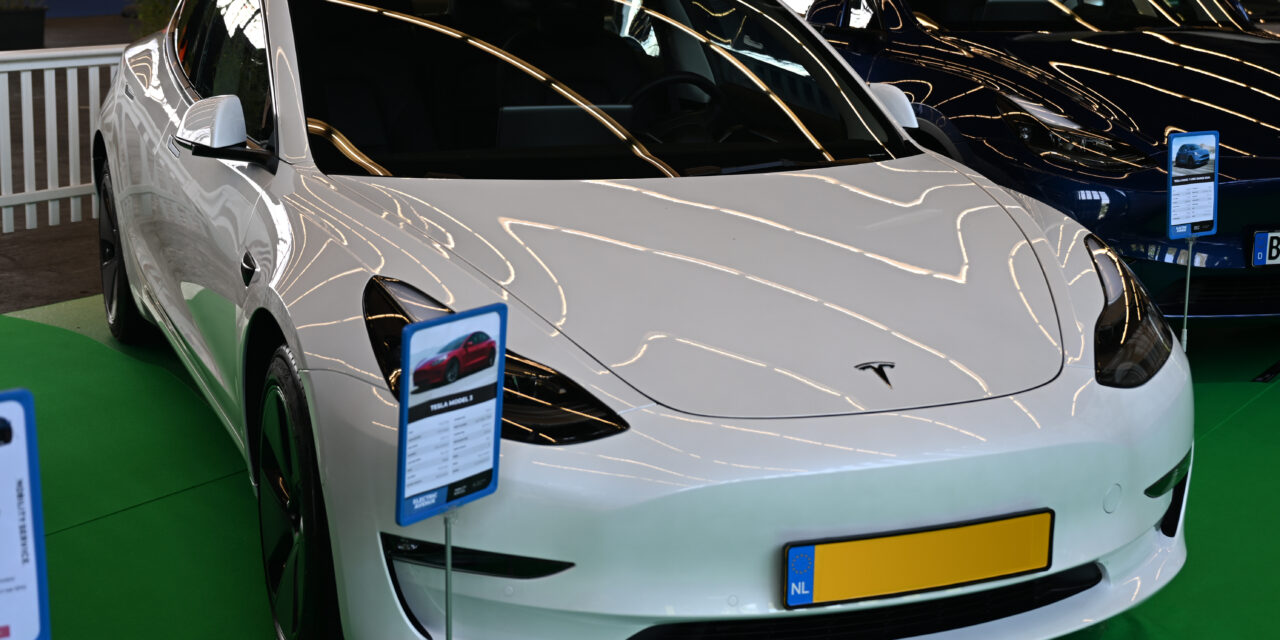
Used Tesla Model 3 shopping list: the battery, insurance and practicality checks that matter in the UK
The used Tesla Model 3 has moved from aspirational EV to realistic family-car shortlist, and that changes the question UK buyers should ask.
It is no longer just about whether the car feels clever or quick. It is about whether a specific used example makes financial sense once you look past the badge, check the remaining warranty, price the insurance, and decide whether the saloon body actually suits your life.
That is why the Model 3 is such a strong topic right now. Parkers still describes it as an excellent choice, while Honest John highlights its efficiency, long range and much-improved ride and interior. In other words, the car still has real appeal. The used-buying catch is that the right one can be a smart buy, while the wrong one can sting you on tyres, repairs, insurance or simple day-to-day practicality.
The short version
- A used Tesla Model 3 is a strong UK shortlist car if you want an efficient EV that is easy to live with over long distances.
- For many buyers, a Rear-Wheel Drive car is the sensible place to start before paying extra for a Long Range or Performance version.
- The battery itself is only part of the story. Insurance, tyres, wheel condition and charging setup matter just as much.
- The saloon boot is roomy on paper, but the opening is less useful than many hatchback and SUV rivals.
- You should check the service record, recall status, MOT history, screen functions, cameras, charging behaviour and app handover before you buy.
- Do not shop a used Model 3 on monthly payment alone.
Why the used Tesla Model 3 is worth a serious look
A lot of EVs still need too much explaining in the used market. The Model 3 does not.
Its appeal is pretty easy to understand. It is quick enough even in ordinary forms, its charging setup is one of the least intimidating in the EV world, and it can cover long motorway distances without feeling like a compromise car. Parkers lists electric range figures across the broader Model 3 line-up as stretching from 278 to 466 miles depending on version, while Honest John still rates it as one of the strongest electric saloons on sale.
That matters because used buyers are often looking for exactly that mix: a car that feels modern, has enough range not to dominate every journey, and still carries some badge appeal once the new-car price has fallen away.
Which used Tesla Model 3 should most UK buyers start with?
For plenty of people, the sensible default is a Rear-Wheel Drive car rather than jumping straight to the most expensive badge.
That is usually where the value case looks strongest. You still get the low-slung driving position, the Tesla ownership experience and the clean cabin design, but without paying the biggest premium for acceleration you may rarely use on British roads.
A Long Range version deserves a look if you regularly do bigger motorway runs, depend more heavily on public charging, or simply want more buffer in winter and on busy travel days. A Performance car makes sense if you actively want the speed and are happy to accept the higher purchase price and the possibility of pricier tyre and wheel bills.
The mistake is to assume the quickest or newest-looking advert is automatically the one to buy. On a used Model 3, condition and ownership story matter more than bragging rights.
The checks that matter before you buy a used Tesla Model 3
1. Price the insurance before you view the car
This is one of the easiest ways to avoid a bad surprise.
A used Model 3 can look tempting when the finance quote and charging-cost story are doing the selling, but insurance can change the picture fast, especially for younger drivers, urban postcodes or higher-value versions. Run quotes on the exact registration if you can, not a rough comparison model.
If you need a reminder, our guide to car insurance groups is still one of the quickest filters to use before you get emotionally attached to a car.
2. Check the battery story, not just the dashboard percentage
The battery is the headline issue, but you do not need to turn this into internet folklore.
What matters most is whether the car charges and discharges normally, whether the predicted range looks believable for its age and version, and whether the seller can show a convincing ownership pattern rather than vague reassurance that "the battery is fine".
On the test drive, watch for any obvious warnings, unusual charging restrictions or erratic state-of-charge behaviour. If the seller has a recent battery health report or a recognised certificate, that is useful supporting evidence rather than a magic guarantee.
Our piece on used EV battery health certificates explains what those checks can and cannot tell you.
3. Be clear about the charging life you are actually buying into
The Model 3 is good at long-distance EV use, but your ownership experience still depends on how and where you will charge it.
If you have off-street parking and plan to charge mainly at home, the value case is usually much easier to defend. If you will rely on public rapid charging for most of your week, the maths changes and the convenience gap between versions can matter more.
Also check what comes with the car. Cables, adapters and evidence of normal charging use all help. If you are still working out your home setup, it is worth reading our guide to what electric car charging really costs in the UK and our comparison of tethered or untethered home EV chargers.
4. Remember that cheap-to-run is not the same as cheap-to-put-right
This is where some used EV shopping gets a bit silly.
Yes, the Model 3 can be very cheap to fuel compared with a petrol or diesel rival. That does not mean everything else is pocket change. A heavy, quick EV on large wheels can burn through tyres faster than buyers expect, and kerbed alloys or poor-quality repairs should put you on alert.
Look carefully at tyre brand, tread depth and evenness of wear. A car sold on premium-tech vibes but sitting on a tired or mismatched set of tyres is telling you something useful.
5. Test the screen, cameras and cabin functions with patience
A Model 3 pushes a lot of routine functions through the central screen, so this is not a car where you can shrug off tech glitches as a minor annoyance.
Check the touchscreen response, navigation, reversing camera, side cameras, Bluetooth, audio, climate controls, heated-seat functions if fitted, charging-port operation and warning messages. If something freezes, drops out or behaves oddly, do not let the seller wave it away as a harmless software quirk.
Parkers is still clear on one downside here: the Model 3 relies heavily on touchscreen controls, and that matters more in used form when you are assessing whether everything still works as it should.
6. Do not ignore the bodywork and build-quality basics
Tesla’s reputation for software and efficiency does not cancel out ordinary used-car reality.
Parkers still notes that build quality is not as good as some rivals, so inspect the car with the same discipline you would apply to any premium-priced used buy. Check paint finish, panel alignment, wheel condition, seat wear, water ingress signs and the general quality of any previous repair work.
A used Model 3 should not get a free pass just because it feels futuristic.
7. Check whether the boot and rear seating actually suit your life
This is one of the least glamorous checks and one of the most useful.
Honest John says the Model 3 offers 594 litres of rear boot space plus an 88-litre front boot, which sounds strong on paper. The catch is the saloon opening. Both Honest John and Parkers point out that practicality is held back by the body style, so bulky pushchairs, dog crates or awkward flat-pack loads can be more annoying than the numbers suggest.
If you are cross-shopping SUVs or hatchbacks, try the actual family gear before you assume the Tesla’s shape will be fine.
8. Factor in UK road tax, recalls and the usual background checks
Used EV buyers still sometimes skip the dull checks because the car feels more like tech than transport. That is a mistake.
GOV.UK says electric, zero and low-emission cars have had to pay vehicle tax since 1 April 2025. From 1 April 2026 to 31 March 2027, electric cars first registered on or after 1 April 2025 pay £10 in the first year and then the standard rate of £200, while electric cars registered between 1 April 2017 and 31 March 2025 pay the standard £200 rate.
That means a used Model 3 is not the road-tax-free proposition some older EV buyers still assume it is.
You should also run the registration through the official DVLA vehicle-information service, check the MOT history line by line, and confirm recall work is up to date before money changes hands.
Our guides to a used car recall check and how to read an MOT history before you buy are both worth using before you commit.
9. Make sure the ownership handover will be clean
This matters more on a Tesla than on many older used cars.
You want the V5C story to make sense, but you also want a clean digital handover. Make sure the seller can explain account access, keys supplied, charging cables included and the broader ownership setup without any haze or confusion.
A convincing used-car deal is one where the admin, hardware and car condition all line up.
What a good used Tesla Model 3 usually looks like
The strongest used Model 3s tend to have a simple, believable ownership story.
They wear a matching set of decent tyres, drive straight, charge normally, show no warning lights, and come with paperwork that feels complete rather than theatrical. The screen works properly, the cameras are clear, the bodywork condition matches the asking price, and the seller can explain how the car was charged and used without talking in slogans.
That kind of example is usually worth more than one with a shinier spec list and more unanswered questions.
What should put you off?
Walk away or renegotiate hard if you find any of the following:
- insurance quotes that wreck the ownership case before you even start
- vague answers about charging habits, battery condition or what accessories are included
- tyre wear, kerbed wheels or suspension feel that suggest the car has had a harder life than the advert implies
- recurring MOT advisories or unclear recall history
- tech faults that a seller wants you to dismiss as normal Tesla behaviour
- a practical mismatch where the boot opening or rear-seat layout simply does not suit your real life
Verdict
A used Tesla Model 3 can absolutely be a smart UK buy, but only if you shop it as a whole ownership package rather than as a rolling battery on a cheap monthly payment.
Start with the insurance quote, choose the version that matches your charging life, take the screen and bodywork checks seriously, and do not let the brand’s tech halo distract you from tyres, paperwork and practicality. Do that, and the Model 3 has a very good chance of being what many used EV buyers actually want: a genuinely usable electric car that still feels special after the novelty has worn off.