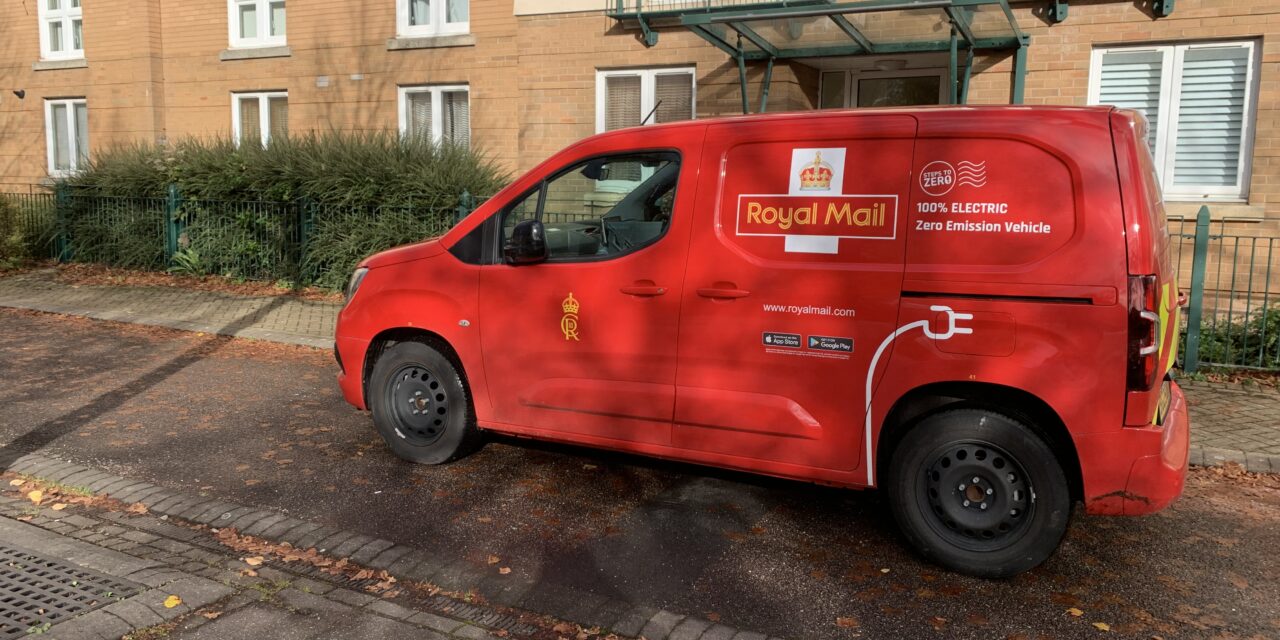
Electric vans make a simple buying decision unexpectedly technical. A model that looks like a familiar 3.5-tonne panel van can be plated at 4,250kg once its battery is accounted for. That number matters because it affects payload, who can drive it and whether the vehicle is right for the job.
The useful news for many buyers in Great Britain is that 4,250kg does not automatically mean a C1 truck licence. The important word is many. Before signing an order form or allocating a van to a driver, check the vehicle’s maximum authorised mass, the driver entitlement and the payload on the exact specification.
The 4,250kg rule in plain English
For drivers who passed their car test on or after 1 January 1997, category B normally allows a vehicle up to 3,500kg maximum authorised mass, or MAM. But GOV.UK’s current category B guidance sets a higher 4,250kg MAM limit for electric or hydrogen vehicles. It is for zero-emission vehicles only, so do not assume a hybrid or range-extender qualifies.
MAM is not the weight a van happens to show on a weighbridge on a quiet day. It is the maximum legal weight when it is carrying its permitted load. GOV.UK also calls it gross vehicle weight or permissible maximum weight, and says it is normally shown on the vehicle plate or sticker and in the owner’s manual.
That distinction is the heart of the buying case. A battery-electric van can weigh more before a driver, racking, tools or parcels go anywhere near it. The 4,250kg allowance gives manufacturers room to retain payload on certain heavier electric models rather than forcing them to squeeze under the conventional 3.5-tonne ceiling.
Do not confuse MAM with payload
Payload is what the vehicle can carry. MAM is the maximum loaded weight. The two are linked, but they are not interchangeable.
A van’s usable payload is reduced by anything that adds mass: a driver, passengers, a ply lining, shelving, a towbar, a refrigeration conversion, ladders, tools and stock. Manufacturers can quote different payload figures for the same van according to wheelbase, battery, body, trim and options. A dealer’s headline figure is a starting point, not a fleet decision.
Ask for the payload figure for the registration or build specification you are considering, and ask what assumptions it uses. Then compare that number with a normal working day, including the people and equipment that will actually be in the van. A nominally legal choice can still be a poor one if it leaves too little margin.
Five checks to make before you buy or lease
- Read the plated MAM. Confirm whether the exact van is 3,500kg, 4,250kg or another figure. Do not infer it from the model name or its body size.
- Check every intended driver’s entitlement. GOV.UK lets drivers view their driving-licence information online. Use that rather than relying on a photocopy, a remembered test date or an assumption that all employees hold the same categories.
- Get the real payload in writing. Specify the battery, length, roof height, trim and conversions. A heavier specification can change the result.
- Check towing separately. Licence entitlement is not the only limit. The van’s own towing limit, its gross train weight, the trailer’s MAM and the combined weights all matter. A 4,250kg electric van is not a shortcut around towing limits.
- Check operational rules as well as the licence. Insurance, company policy, parking, access, charging and any specialist equipment should fit the vehicle you have selected. If the van will operate in Northern Ireland, take extra care: its driving-licence categories are different from those in Great Britain.
Who benefits most from the higher limit?
The 4,250kg option is most relevant where payload is a genuine constraint: trade vans carrying tools and materials, parcel or grocery work, accessible conversions, refrigerated bodies and fleets with fixed equipment. It can also matter to a business replacing a diesel van that already runs close to its weight limit.
It is not automatically the best answer for every electric-van buyer. A lighter 3.5-tonne model may be easier to match to an existing fleet, have sufficient payload for the work and avoid complications in a business’s operating procedures. The right comparison is not simply electric versus diesel, or 3.5 tonnes versus 4.25 tonnes. It is whether each option can carry the actual job safely and legally.
What the rule does not mean
It does not give a general right to drive any vehicle up to 4,250kg on a car licence. The additional category B allowance is specifically for electric or hydrogen vehicles. Petrol, diesel and hybrid vehicles remain at 3,500kg for drivers in this category.
It also does not remove the need to check the plate, the load or the individual licence. Older entitlements can differ, restrictions can apply, and vehicle and trailer limits still stand. If a van is down-plated, the lower figure on its plate is the one that counts for that vehicle.
There may be a grant, but do not build the order around it
Some electric vans are currently sold with a government discount applied by the seller. At the time of writing, GOV.UK lists a maximum of £2,500 for eligible small vans and £5,000 for eligible large vans. The eligible model list and terms can change, so use the official zero-emission van grant page to check the exact vehicle before treating a discount as part of the deal.
The sensible buying decision
For an electric van buyer, 4,250kg is not a piece of trivia. It can be the difference between a van that carries a useful day’s work and one that looks good on paper but runs out of payload once it is fitted out.
Start with the load, not the brochure range. Add the people, equipment and towing requirements, then check the plated MAM and the drivers who will use the vehicle. If the answer points to a 4.25-tonne electric van, the category B allowance can make that choice workable. If it does not, a lighter vehicle may be the smarter and simpler fleet tool.