Finding a screw or nail in a tyre has an almost irresistible effect: it makes you want to pull it out and see how bad the damage is. Resist that urge.
If the tyre is still holding pressure, leaving the object in place is usually the sensible first move. It may be partly sealing the hole. Pulling it out on the driveway or at the roadside can turn a slow puncture into a tyre that is flat before you have a plan.
The important question is not just whether there is a nail. It is where it is, whether the tyre is losing air and whether the tyre has been driven while soft. Those details decide whether a reputable fitter may be able to repair it or whether replacement is the safer answer.
Do this first
- Do not pull the nail or screw out.
- Look at the tyre without putting yourself in danger. If it is visibly flat, misshapen, has a sidewall bulge or has come off the rim, do not drive it.
- Check the pressure cold, using the car’s recommended pressure from the door frame, fuel flap or handbook, not the maximum printed on the tyre sidewall.
- Listen and look for a rapid leak. A hiss, falling pressure or a tyre that will not stay inflated means it needs roadside help, a spare wheel or recovery rather than a journey to the garage.
- Book a professional inspection promptly. Tell the fitter there is a nail in the tyre and whether you have driven on it while the pressure was low.
If the nail is in the tread and the tyre is holding its normal pressure, a short, careful journey directly to a tyre specialist may be possible. That is not a promise that the tyre is safe, or that it can be repaired. It is a reason not to make the situation worse by removing the object first.
Location changes everything
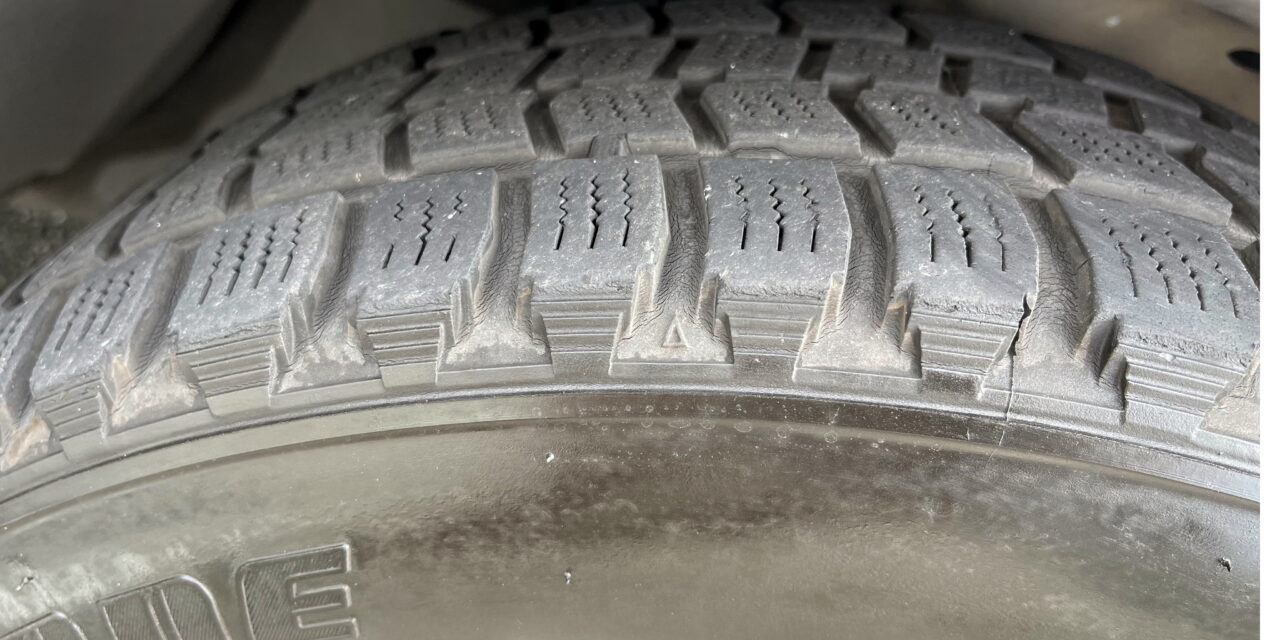
A puncture through the central tread area can sometimes be repaired after the tyre has been removed and inspected inside. A puncture near the shoulder, or in the sidewall, is much less forgiving.
The sidewall flexes constantly as the tyre rolls and carries the vehicle’s load. That is why a sidewall puncture, a bulge, exposed cords or a deep cut normally means replacement, not a plug or patch. The official MOT inspection manual treats a tyre with a structural bulge or tear as a dangerous defect, and exposed ply or cords as a major defect.
Do not try to judge repairability from the outside alone. A fitter needs to remove the tyre to check whether it has been run underinflated, whether the inner liner is damaged and whether the puncture is in an acceptable repair area. The practical repair guidance from Halfords makes the same point: the position and nature of the damage determine whether a repair is appropriate.
When you should not drive it
Call for assistance, fit a serviceable spare if you can do so safely, or arrange recovery if any of these apply:
- the tyre is visibly flat or pressure drops quickly after inflation
- the nail is in the sidewall or very close to the edge of the tread
- you can see a bulge, split, deep cut, exposed cords or damage to the wheel rim
- the car pulls, vibrates or thumps after the puncture
- you have driven any meaningful distance with the tyre very soft or flat
- it is a run-flat tyre and you do not know how far or how fast it has already been driven after pressure loss
A run-flat tyre is not a normal tyre with permission to ignore a puncture. Manufacturer limits vary, and some run-flats cannot be repaired after they have been driven deflated. Check the handbook and ask the fitter to inspect it rather than assuming it is fine because the car still moved.
Can a tyre with a nail be repaired?
Sometimes, yes. A straightforward, small puncture in the repairable part of the tread may be repairable if the tyre has not been damaged by being driven with too little air. But the fitter can only make that call after a proper inspection.
What usually rules repair out is more serious than the nail itself:
- damage in the sidewall or shoulder area
- a cut, bulge or exposed cords
- internal damage from running flat
- an old repair or a second nearby puncture
- a hole or injury too large for a safe repair
Be wary of a garage or mobile service offering to push an external plug into the tyre without an internal inspection. An emergency plug can have a place as a temporary roadside measure, but it is not the same thing as a professional assessment of the casing and inner liner. If a repair is offered, ask whether the tyre was removed and inspected inside.
The UK legal and MOT point
There is no special legal exemption because the tyre still looks inflated. A car must be roadworthy whenever it is used. The MOT rules are a helpful backstop, but they are not a target to drive up to.
For cars, the legal minimum tread depth is 1.6mm across the central three-quarters of the tread, around the full circumference. The same official MOT guidance says a tyre with cords visible, or a cut that exposes them, fails. It also makes clear that a bulge or tear caused by structural separation is dangerous.
In other words, a nail in the tread is not automatically an MOT failure. A damaged tyre that has lost structural integrity is a different matter. If you are unsure, err on the side of inspection before the next motorway run, school trip or wet-weather journey.
What to tell the tyre fitter
Giving a clear description saves time and helps the fitter make the right decision. Mention:
- which tyre is affected and where the object sits, if you can tell
- whether the tyre has lost pressure and how quickly
- whether the tyre-pressure warning light came on
- how far you drove after noticing the issue
- any pothole or kerb impact around the same time
- whether the car has run-flat tyres, all-wheel drive or a space-saver spare
If replacement is needed, ask the fitter to check the tyre opposite on the same axle for tread depth and condition. Replacing one tyre can be fine in the right circumstances, but large tread-depth differences can matter on some cars, particularly all-wheel-drive models. If you are replacing a pair, read our guide on why the newer tyres should usually go on the rear.
A small but useful habit
Once the immediate problem is sorted, check the other three tyres as well. Tyres pick up screws and nails most often through ordinary road debris, and a quick monthly pressure and condition check can catch a slow puncture before it becomes a shredded tyre or damaged wheel.
It is also worth knowing whether your car has a spare, a sealant kit or neither. Our 10-minute spare-wheel check shows what to look for before you need it.
The bottom line
Do not pull a nail from a tyre just to investigate it. If the tyre is stable and the object is in the tread, leave it in and arrange a prompt professional inspection. If it is flat, leaking quickly, damaged at the sidewall or showing a bulge or exposed cords, do not drive it.
A nail may lead to a simple repair, but only an internal inspection can confirm that. The safer choice is to preserve the tyre’s remaining pressure, avoid driving on it flat and let a qualified fitter decide whether repair or replacement is the right call.