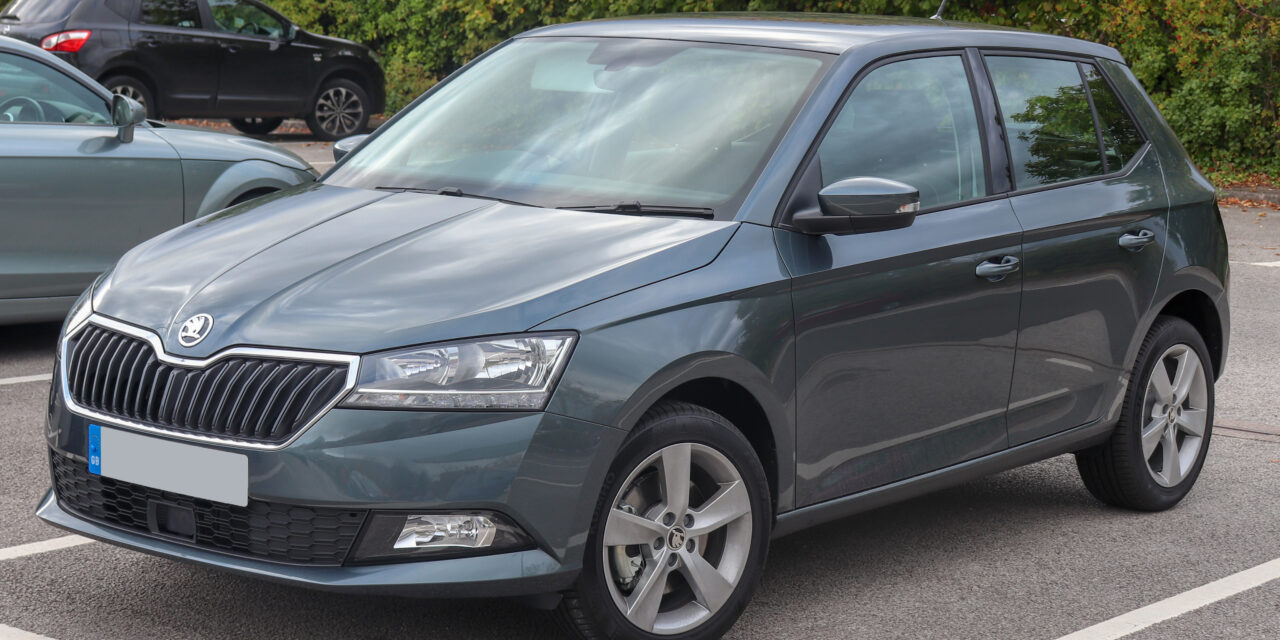
The third-generation Skoda Fabia, sold in the UK from 2015 until 2021, makes a persuasive used supermini. It is roomy for its footprint, its controls are refreshingly simple and there is a choice of hatchback and estate bodies. A tidy one can be a very sensible answer to the question of what to buy after a small SUV has started to look needlessly expensive.
That does not make every Fabia the same proposition. The engine is a more important decision than the badge on the boot or the size of the infotainment screen. Start by matching it to the journeys you actually do, then use the checks below to separate a well-kept example from a superficially polished one.
Choose the engine for your roads, not the brochure figure
Most buyers will encounter three petrol routes. The 1.0 MPI is a naturally aspirated engine aimed at low-cost motoring. It suits town driving, short commutes and drivers who value mechanical simplicity over effortless overtaking. On a fast A-road or a fully loaded family trip, it needs more patience, so take one on the sort of road you use every week before deciding that the lower purchase price is enough.
The turbocharged 1.0 TSI is usually the better all-round choice. It has more low-rev flexibility for joining a dual carriageway, carrying passengers and using the air conditioning without the car feeling strained. There are different outputs across the range, so compare the actual car rather than assuming every TSI drives alike. A lower-powered version can still be perfectly adequate, but it should feel clean and consistent when accelerating rather than hesitant, jerky or unwilling to pull.
Earlier cars may have a 1.2 TSI petrol engine, while diesels suit only a buyer who regularly covers longer journeys. Do not buy a diesel merely because its advertised economy looks attractive. Short, stop-start use is a poor match for any diesel that needs sustained hot running to look after its emissions hardware. If the car will mostly do school runs and supermarket trips, a petrol Fabia is normally the less complicated choice.
Manual or DSG?
A manual Fabia is straightforward to assess on a test drive. The clutch should take up smoothly, the gearlever should select every ratio without resistance and there should be no crunching when changing quickly once the car is warm. On a hill, check that the clutch does not slip under firm acceleration.
If you are considering a DSG automatic, give it a longer, more varied drive. Start from cold, reverse, crawl in traffic, make a clean getaway from a junction and try several gentle and firm upshifts. A gearbox that thumps, shudders, delays engaging Drive or Reverse, or brings up a warning message needs an explanation before any money changes hands. Ask the seller for invoices and the handbook evidence for the specific gearbox, rather than accepting a vague assurance that it has been maintained.
Five checks worth doing before you negotiate
1. Read the MOT history as a pattern
A fresh certificate is useful, but it is not a condition report. Use the free DVSA MOT history service to look for repeated advisories, especially for tyres, brakes, suspension, leaks and lights. One advisory that was properly repaired is not a reason to walk away. The concern is a string of the same issue across several years, or a car that repeatedly fails shortly after passing.
Compare the recorded mileages with the dashboard, service invoices and the seller’s description. If they do not make sense, pause the purchase until they do.
2. Check the service record is useful, not just present
A service book full of stamps is encouraging, but invoices are more revealing. They show what was actually done, who did it and at what mileage. Look for a sensible progression of dates and miles, plus evidence that routine items have not been endlessly deferred. On a car with a turbo engine, regular oil servicing matters more than a verbal promise that it was always looked after.
Ask when the spark plugs, brake fluid, battery and tyres were last dealt with. These are ordinary ownership costs, but catching up on several at once can turn a cheap Fabia into an expensive first month.
3. Inspect the tyres properly
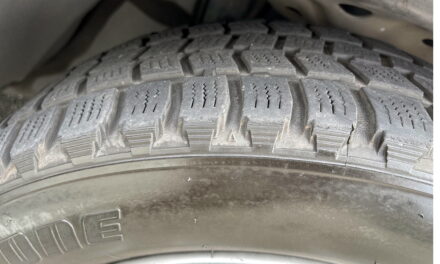
Look beyond the tread depth. The same tyre type and size should normally be fitted across each axle, with no sidewall damage, bulges or uneven shoulder wear. Uneven wear can point to alignment or suspension work being needed, while a random collection of budget tyres can tell you something about how the car has been maintained. If a warning light is showing, do not assume it is just a tyre-pressure reset until the tyre condition and pressures have been checked.
4. Make every electrical feature earn its place
Before the test drive, operate the windows, central locking, mirrors, air conditioning, heater fan, infotainment, Bluetooth, rear wiper and every exterior light. Pairing a phone and checking the air conditioning may feel fussy, but they are quicker to test at the viewing than to resolve after collection. On cars with parking sensors, engage reverse and make sure the warning behaves normally.
5. Do a cold-start walk-round
Ask the seller not to warm the car up before you arrive. A cold start gives you the best chance of noticing an uneven idle, warning lamps that remain illuminated, smoke or a rattle that disappears as the engine warms. Watch the instrument panel when the ignition is turned on: warning lights should illuminate for their self-check and go out after the engine starts, not remain covered up by a seller’s explanation.
Hatchback or estate?
The hatchback is the obvious city-car choice and is easier to park. The Fabia Estate is the version to seek out if you regularly carry a buggy, dog kit or work equipment and do not want the size or running costs of a larger car. Whichever body style you choose, fold the seats, lift the boot floor and check for dampness, damaged trim and signs that the load area has had harder use than the rest of the car suggests.
Paperwork checks that should happen before the deposit
First, make sure the registration, make, model, colour, fuel type and tax/MOT details accord with the car in front of you using the free DVLA vehicle information service. Then check the VIN on the car against the V5C and service paperwork. Do not rely on a photograph sent before the viewing.
Also run the registration through the government’s vehicle recall checker. A recall is not a black mark in itself, but an outstanding safety recall should be completed by the franchised network before you take ownership. For a fuller buying process, read our guide to when a used-car inspection is worth paying for and do not skip a history check for outstanding finance or insurance markers.
What is a fair reason to walk away?
Walk away if the seller will not let you see the car cold, will not allow a proper test drive, cannot explain gaps in the paperwork or dismisses gearbox and warning-light symptoms as normal. The same applies where the MOT history, mileage and invoices tell different stories. There will be another Fabia.
A well-chosen Fabia is not exciting in the way a hot hatch is exciting. Its appeal is that it is quietly good at the things most owners do every day: fitting into a parking space, taking friends or shopping, using modest amounts of fuel and getting on with the job. Pick the engine honestly, inspect it methodically and that is exactly why it can be such a satisfying used buy.