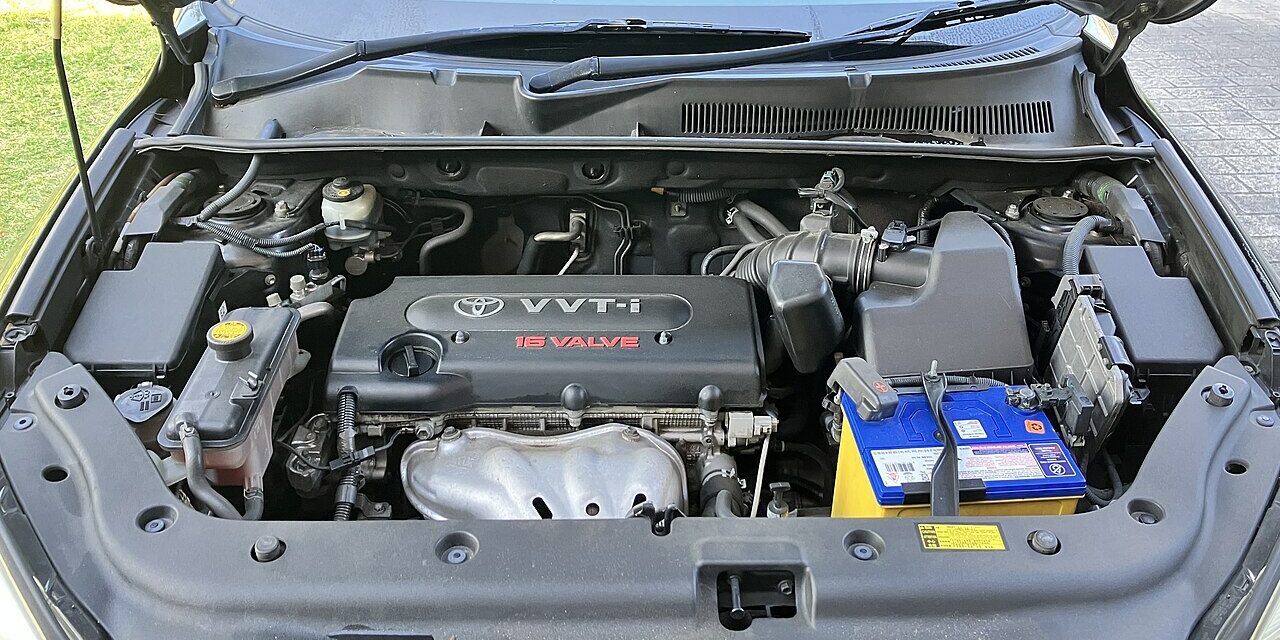
Pink, blue, green, orange or purple coolant can all appear in a modern engine bay. The awkward truth is that the colour is not a dependable guide to what your car needs. It is dye, not a universal technical code.
If the level is low, choosing a bottle because it looks like the liquid in the expansion tank is a gamble. The safe route is to identify the coolant specification your manufacturer approves, then buy a product that explicitly meets it. That matters more than the colour on the label.
Why coolant colour is a poor shortcut
Coolant, also called antifreeze, is a mixture designed to control freezing and boiling temperatures while protecting the cooling system from corrosion. Manufacturers and coolant suppliers use different dye colours, and there is no UK-wide rule that says one colour always means one formulation.
Two pink coolants can have different approvals. Equally, two products with different colours may be suitable for the same application. Over time, age and dilution can also change how the liquid looks through an expansion tank.
That is why “match what is already there” is only a visual guess. It is especially risky on a used car when you do not know what a previous owner or garage has added.
Find the specification before you buy anything
Start with the owner’s handbook. Look under maintenance, fluids or capacities for the coolant specification, not merely a colour. Depending on the manufacturer, it may be a named approval, a part number or a standard.
If the handbook is missing, use one of these checks:
- Look for a label on the expansion-tank cap or nearby under-bonnet information.
- Check the manufacturer’s digital handbook using the exact model, engine and year.
- Ask a franchised dealer parts desk or a reputable motor factor to identify the approved product from the registration and, where needed, the VIN.
- Read the bottle carefully. “Suitable for many makes” is not the same thing as a clear statement that it meets your car’s required approval.
Model year and engine matter. A coolant specified for an older version of the same car may not be the right one for a newer engine. Do not rely on make alone.
Can you mix coolants?
Do not assume that matching colours makes mixing safe. Different corrosion-inhibitor packages can be used in products that look similar. If the specification of the coolant already in the system is unknown, the cautious answer is not to create a mystery mixture.
If a small top-up is needed and the approved product is known, use that product in the concentration the handbook specifies. Many UK retail bottles are sold ready mixed, while others are concentrate and must be diluted exactly as directed. Never treat those as interchangeable.
If you cannot confirm what is in the system, a garage can advise whether the sensible fix is a drain, flush and refill with the correct approved coolant. That is often a better long-term answer than repeatedly adding different bottles.
How to top up coolant safely
Only check or top up the expansion tank when the engine is cold. A hot cooling system is pressurised and opening a cap can release scalding liquid or steam.
- Park on level ground, switch the engine off and let it cool fully.
- Find the coolant expansion tank. Check the handbook if you are not certain: do not confuse it with brake fluid, screenwash or power-steering reservoirs.
- Check the level against the MIN and MAX marks. A level between them is normally where it should be.
- Use the manufacturer-approved coolant, or the approved concentrate and water ratio, and add only enough to bring the level back into range.
- Refit the cap securely and clean up any spill. Keep coolant away from children and animals.
Do not overfill it. The system needs space for the coolant to expand as it warms up.
Is water ever acceptable?
Follow your handbook first. Some manufacturers permit a temporary emergency top-up with water if the correct coolant is unavailable, but that does not restore the proper corrosion protection or freeze protection. It should be corrected as soon as practical with the specified mixture.
Do not use screenwash, tap-water additives or a random household liquid. And do not pour cold water into a very hot engine. If the temperature warning light is on, the gauge is rising or there is steam, stop somewhere safe and get recovery advice rather than trying to nurse the car home.
When a low coolant level is more than a top-up job
A one-off small adjustment can happen after work on the cooling system, but coolant should not need frequent topping up. If the level falls again, treat it as a fault to investigate. Check for a visible puddle, dried staining around hoses and the radiator, or a sweet smell after driving, but do not put hands near a hot engine.
Book a garage inspection promptly if you see repeated loss, overheating, a warning message, milky residue in the oil, oily contamination in the coolant, or brown sludge. Those symptoms need diagnosis, not a stronger dose of antifreeze.
For a related problem, see our guide to losing coolant with no puddle under the car.
The bottom line
Coolant colour can help you spot where the reservoir is, but it cannot reliably identify the chemistry inside it. Use the manufacturer’s required specification, check the engine only when cold and investigate a level that keeps dropping. That is safer for the engine than making a colour-based guess at the parts counter.