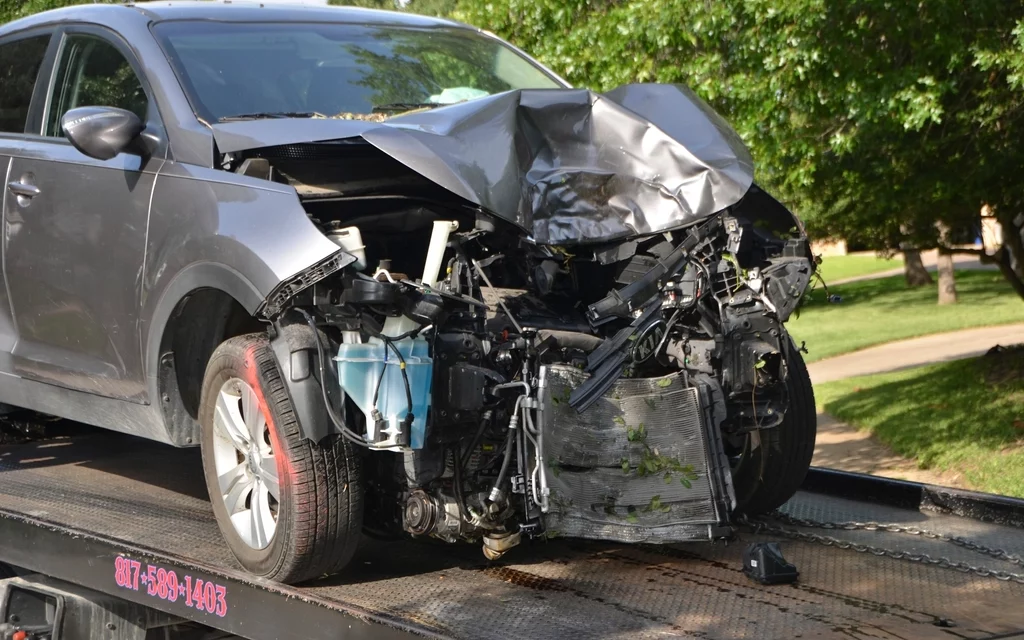
A low-speed scrape in a car park can seem like the sort of thing to settle with a bank transfer and a handshake. Perhaps there is a small dent, both drivers are polite and nobody wants a claim on their record. That is understandable, but it is not a reason to keep your insurer in the dark.
GOV.UK says you must report an accident to your insurance company even if you do not plan to make a claim. Your own policy will also set out its notification requirement and deadline. Telling an insurer about an incident is not the same thing as asking it to pay for the repair.
The short answer: notify first, then decide how to pay
Let the insurer know promptly and accurately, then say that you are notifying it for information only if you do not want to claim at that stage. Ask it to confirm how it will record the report and whether it needs anything further. Do not assume that a private agreement removes the duty to notify.
This matters because a repair bill can grow after a bumper comes off, a sensor fault appears or the other driver changes their mind. If the matter later becomes a claim, an insurer that was told at the time has the basic facts on file. If it was not told, you may face difficult questions about a failure to disclose an incident required by the policy.
What to do at the scene, even if the damage looks minor
- Stop somewhere safe. Do not let embarrassment rush you into leaving before the essentials are recorded.
- Exchange details. Take names, addresses, registration numbers and insurance details if available. If the vehicle is not theirs, note the owner’s details too.
- Photograph both vehicles and the setting. Include wide shots, close-ups, number plates, road markings, signs and the date or time where your phone records it.
- Write a short factual note. Record where each vehicle was, the direction of travel, weather and who was present. Avoid guessing fault or offering a legal conclusion at the roadside.
- Look for independent evidence. Save dash-cam footage and note nearby cameras or witnesses. Ask a witness for their name and contact details rather than relying on a later search.
If you cannot exchange the required details at the scene, GOV.UK says the accident must be reported to police within 24 hours. That duty is separate from notifying an insurer.
Can you settle a minor accident privately?
Sometimes, yes. Drivers may decide that a small, clearly defined repair is cheaper and simpler to pay for themselves. But only consider it after you have exchanged details, gathered evidence and notified the insurer.
A private settlement is least risky where there is no injury, the damage is visibly limited, both parties are identifiable and the repair can be supported by a proper written estimate or invoice. It becomes much less sensible where there is any doubt about injury, blame, hidden damage, a leased or company vehicle, a child passenger, a foreign-registered vehicle or an allegation that the other driver was uninsured.
Be particularly cautious with modern bumpers. Parking sensors, cameras, radar units and mounting brackets can sit behind seemingly superficial damage. A quote for paint can turn into a much larger bill once the vehicle is inspected.
If you agree to pay privately, keep a paper trail
Never hand over cash and treat the matter as finished. Ask for a written estimate that identifies the vehicle, repairer and work proposed. If you pay, use a traceable method and keep the invoice, proof of payment and written confirmation of what the payment settles.
Do not sign wording you do not understand, and do not pressure the other driver to avoid their insurer. A sensible message can simply say that you have reported the incident to your insurer, you are willing to consider the supplied estimate, and you reserve the right to refer the matter to the insurer if the facts or costs change.
Private payment does not guarantee that the other person will never contact their insurer. It does, however, mean you have better records if the position changes.
Will simply notifying your insurer raise your premium?
There is no universal answer. Insurers price risk differently, and renewal questions commonly ask about accidents, losses or claims over a stated period, including incidents where no claim was made. Answer those questions exactly as asked. Do not describe an incident as a claim if it was only notified, but do not leave it out when the question includes accidents or losses.
Notification alone also does not automatically mean you lose a no-claims discount. A no-claims discount normally relates to claims and fault decisions, but the policy wording and the insurer’s renewal terms are what count. Ask the insurer directly rather than relying on a friend, comparison-site forum or a verbal assurance from the other driver.
When a private deal is the wrong route
Call the insurer and let it handle the matter if anyone may be hurt, the damage is not clearly minor, the other driver disputes the account, someone leaves without giving details, or you receive a letter, solicitor’s contact or a formal claim. Do the same if the other vehicle is a rental, leased, fleet, emergency-service or business vehicle, where separate contractual or employer processes may apply.
Do not admit liability in a message simply to make the conversation go away. Give a factual account, provide your evidence and allow the insurers to deal with liability if it cannot be agreed.
A practical order of action
- Make the scene safe and exchange details.
- Photograph the vehicles, location and any relevant evidence.
- Notify your insurer as soon as reasonably possible, even if you hope to settle directly.
- Get a written repair estimate before promising a payment.
- Keep every message, quote, invoice and proof of payment.
- Refer it back to the insurer immediately if the facts, injuries or repair cost become less clear.
The useful distinction is between reporting an accident and claiming for it. Reporting protects your position and meets the expectation set by the insurer. A claim may still never be made, but that is a decision best taken with the facts properly recorded.