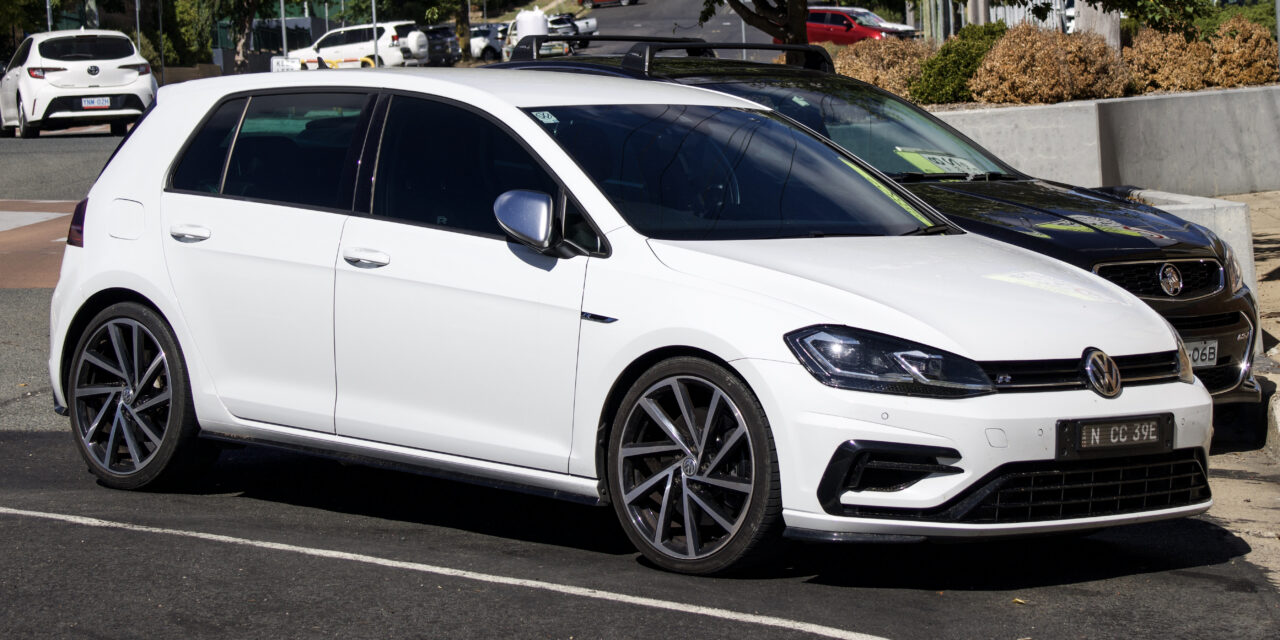
The Volkswagen Golf has been a default answer to the used hatchback question in Britain for decades. It is easy to drive, easy to live with, widely available, and usually bought by people who want one car that can handle everything from commuting and motorway work to family duties.
That broad appeal is exactly why it pays to be picky. A good used Golf can still feel smart, solid and more grown-up than many rivals. A neglected one can land you with expensive gearbox trouble, timing-chain worries, water leaks, worn suspension or electronic faults that are irritating at best and costly at worst.
This guide focuses mainly on the Mk7 Golf sold in the UK from 2013 to 2020, plus the early Mk8 introduced in 2020, because those are the cars most buyers are realistically cross-shopping now.
Quick answer: what are the main used Volkswagen Golf problems to look for?
The big things to watch are front suspension knocks, early TSI timing-chain rattle, damp carpets and water ingress on early Mk7 cars, DSG gearbox issues on poorly maintained automatics, clutch and dual-mass flywheel wear on manuals, diesel fuel-system smells or emissions trouble on hard-used cars, and unresolved recall work.
Before you buy, start with these checks:
- full service history with invoices, not just a stamped book
- proof of DSG servicing on automatic cars where applicable
- no cold-start rattles from TSI petrol engines
- no damp carpets, mouldy smell or distorted front speakers on early Mk7s
- no suspension clunks, steering noises or uneven tyre wear
- smooth clutch take-up and a clean gearchange
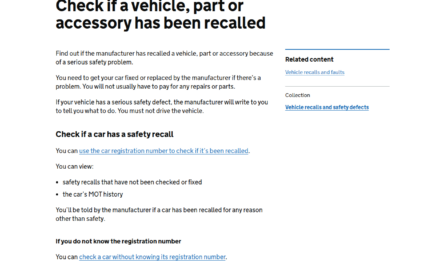
- confirmation that recall work has been completed through the official GOV.UK checker
For most people, the safest used Golf is a well-maintained later Mk7.5 petrol manual, or a carefully checked Mk8 with all its technology working properly.
Why the Golf is still such a strong used buy in the UK
The Golf’s appeal is not mysterious. It does the ordinary stuff properly. The driving position is good, the cabin is generally easy to get on with, and there are enough cars on the market that you do not need to settle for a shabby example just because it wears the right badge.
That matters in the UK because the Golf sits in a sweet spot of the used market. It is common enough to be choosy about, but still desirable enough that poor cars are often advertised as if the name alone justifies the price. It does not.
Buy on history, condition and evidence, not on trim level or a tidy first impression.
Which used Volkswagen Golf does this guide focus on?
If you are shopping today, you are usually looking at one of these:
- Mk6 cars from 2009 to 2012, now mostly budget buys where age and maintenance matter more than spec
- Mk7 and Mk7.5 cars from 2013 to 2020, which are the heart of the current used market
- Mk8 cars from 2020 onwards, which bring newer tech and hybrid options but need careful electronic checks
- TSI petrol models, which suit many private buyers best
- TDI diesel models, which still make sense for regular long-distance work
- manuals, usually the simpler and safer choice
- DSG automatics, which are excellent when healthy and expensive when neglected
If your budget allows, later Mk7.5 cars are usually the best place to start. They feel modern enough, are easier to buy well than the earliest Mk7s, and avoid some of the age-related drift that can affect older cars.
Used Volkswagen Golf problems that matter most
1. Front suspension knocks and tired bushes
A Golf should feel composed and quiet. If the front end clunks over bumps or the steering feels loose, there is usually a reason.
On Mk7 cars especially, worn wishbone bushes, strut bearings and drop links can cause thumps, vague handling and uneven tyre wear. None of that is unusual on an ageing family hatchback, but it does matter because a Golf in good order should feel much tidier than that.
If the car feels fidgety, crashes over potholes or pulls oddly under braking, expect suspension work and price accordingly. We have already covered one version of this problem in more detail in Motoring Mojo’s guide to VW Golf rear coil spring snap symptoms.
2. Early TSI timing-chain rattle
This is one of the faults worth taking seriously because it can turn from a brief noise into a very expensive problem.
Some early Mk7 TSI petrol cars can suffer timing-chain stretch or chain-guide wear. The classic warning sign is a chattering or zinging rattle for a second or two from a cold start. If you hear it, do not tell yourself it is normal. Walk away unless there is clear specialist evidence showing the issue has already been fixed properly.
Service history matters here. A car that has been maintained correctly is a far better bet than one with vague promises about regular servicing.
3. DSG gearbox problems on neglected automatics
A healthy DSG can make a Golf feel smoother and more upmarket. A badly maintained one can do the opposite very quickly.
The important point is not that every DSG is troublesome. It is that fluid changes and proper maintenance matter. If a seller cannot show evidence of the required gearbox servicing, that should make you cautious straight away.
On a test drive, a weak DSG may feel jerky at low speed, hesitant when pulling away, or oddly surge under light throttle. None of those symptoms should be ignored. There are plenty of Golfs on the market, so there is no need to convince yourself that a bad automatic is acceptable.
4. Water ingress on early Mk7 cars
This is one of the easiest Golf traps to miss if you only do a quick walkaround.
Early Mk7 cars can suffer water ingress through the front doors. In real-world terms, that means damp carpets, a musty smell, mouldy interior air, or distorted front speakers. Cars from the earlier part of the Mk7 run deserve the closest check.
Do not just glance inside and move on. Get your hand down near the sills and feel the carpet properly. A Golf that smells damp probably is damp.
5. Clutch and dual-mass flywheel wear on manuals
Many used Golf buyers sensibly prefer a manual. That is still usually the safer long-term choice, but it is not a free pass.
A tired clutch or dual-mass flywheel can show up as chattering, vibration through the pedal, difficulty engaging gears, or a generally unpleasant take-up from rest. If the car feels rough pulling away or the pedal action seems inconsistent, budget for further investigation rather than assuming it is just how Golfs drive.
6. Diesel issues on the wrong kind of car
A Golf diesel can still be a very smart used buy for someone doing regular motorway miles. It makes much less sense for repeated short trips and cold starts.
If you are looking at a TDI, pay attention to how the car has been used. Short urban journeys are harder on diesel emissions systems, and any smell of diesel under the bonnet deserves investigation. So do warning lights, rough running or evidence that faults have recently been cleared rather than fixed.
For many private buyers in 2026, a petrol Golf is the safer answer unless there is a clear reason to choose diesel.
7. Adaptive cruise and bumper repair issues
Some better-specified Golfs have adaptive cruise control, and it is worth checking properly rather than treating it as a bonus feature.
If the system does not work, one possible reason is poor accident repair or a sensor issue after bumper damage. That can be expensive to sort. Look closely at panel gaps, paint match and whether the seller has a convincing explanation for any warning messages or inoperative driver-assistance kit.
8. Mk8 infotainment and driver-assistance glitches
The Mk8 Golf is newer, but newer does not automatically mean risk-free.
The main caution on early used Mk8s is technology. Before you buy, make sure the touchscreen, climate functions, digital instruments, reversing camera, parking sensors, Bluetooth, navigation and driver-assistance systems all work as they should. A car with flaky software or intermittent cabin tech may still drive fine, but it can become tiresome very quickly.
Which used Volkswagen Golf engines and versions are the safer bets?
For most UK buyers, these are the Golf versions that make the most sense:
- later Mk7.5 petrol cars with strong history and no obvious signs of neglect
- 1.4 TSI ACT models if you want a smart middle ground between economy and performance
- 1.5 TSI cars if your budget stretches to a newer example
- manual gearboxes if you want the lower-risk route
- diesels only if you genuinely cover distance, rather than mostly local trips
The cars to treat more carefully are early TSI examples with any cold-start rattle, DSG cars with missing service evidence, and bargain-priced Golfs being sold mainly on badge appeal.
What to check before buying a used Volkswagen Golf
Before you go to see it
Do the boring checks first. They save money.
- run the car through the official GOV.UK recall checker
- check the MOT history for repeat advisories or suspicious gaps
- ask for invoices, not just a stamped service book
- ask when the gearbox was serviced if it is a DSG
- ask whether any recall work has been completed
- if the car is older, ask the seller for the VIN so you can check manufacturer recall information too
Volkswagen also says cars produced before 2018 could potentially be affected by the wider Takata airbag campaign, so it is sensible to check the manufacturer’s VIN tool as part of your homework.
On the driveway
Take your time and ignore any seller who tries to rush you.
Check for:
- uneven tyre wear
- cloudy lights or signs of moisture
- damp carpets or a stale smell in the cabin
- paint mismatch around the bumpers
- kerbed wheels that suggest a hard life
- boot operation that feels rough or judders
If you notice number-plate light or exterior lighting issues, it is also worth reading our guide to Volkswagen Golf registration plate light MOT fail: what to check first.
On cold start and test drive
A proper cold start tells you more than a warmed-up handover ever will.
Listen for:
- timing-chain rattle on TSI cars
- clutch or flywheel chatter on manuals
- jerky take-up or low-speed surging on DSG cars
- suspension thumps and steering noises over bumps
- warning lights that appear after moving off
The car should feel settled, precise and easy. That is part of the Golf’s whole point.
Should you buy a used Volkswagen Golf?
Yes, if you buy the right one.
The Golf is still one of the strongest used hatchbacks in the UK because it combines availability, practicality and a genuinely polished feel. That remains true across much of the Mk7 and Mk8 range.
The mistake is assuming every Golf is automatically a safe buy. It is not. The cars worth owning are the ones with clear maintenance evidence, no suspicious noises, dry interiors, healthy gearboxes and completed recall work.
If you want the short version, buy the best-history later Mk7.5 or carefully checked Mk8 you can afford, be wary of early TSI rattles and neglected DSGs, and never let the badge talk you into overlooking a poor example.
That is how a used Golf stays a smart buy instead of becoming an expensive lesson.
Final verdict
A used Volkswagen Golf still deserves its reputation, but only when the car in front of you is backed up by paperwork and condition. For most buyers, the sweet spot is a later Mk7.5 petrol car with strong history, a clean test drive and no signs of dampness or gearbox neglect.
Get that right and a Golf can still be one of the easiest used cars in Britain to recommend. Get it wrong and you can pay a premium for problems that a more careful inspection would have spotted.