
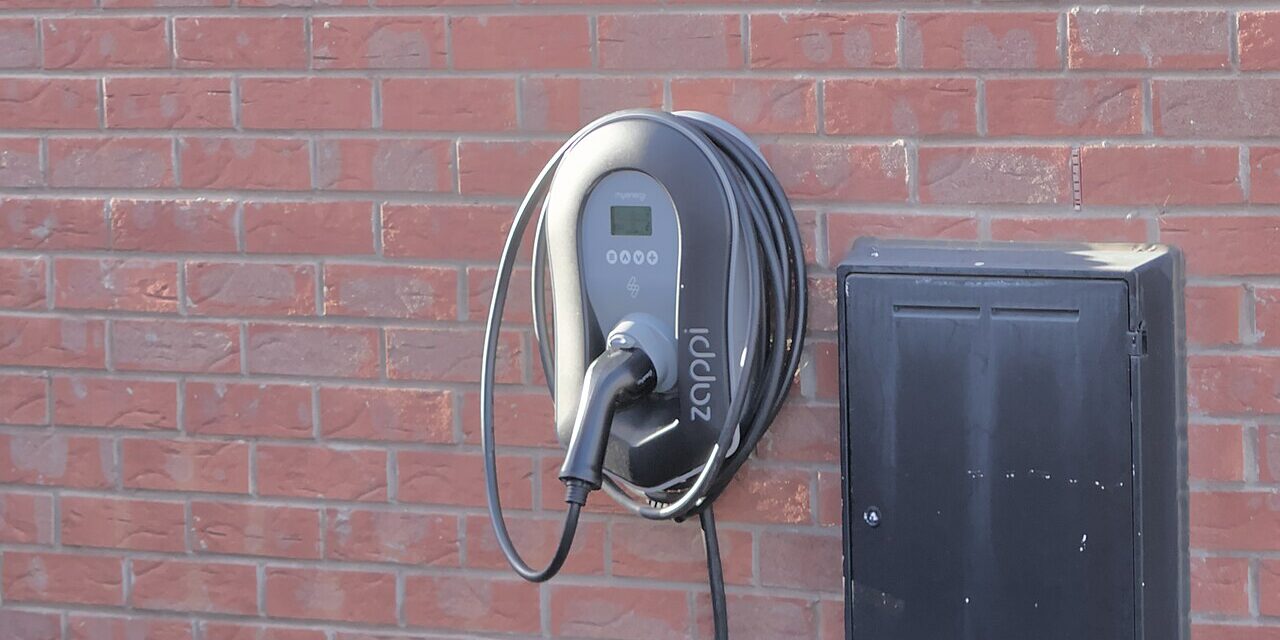
If you are trying to work out the best EV tariff for home charging in the UK, the awkward truth is that there is no single winner for every household.
The cheapest overnight unit rate is important, but it is not the whole story. Some tariffs only work with compatible cars or chargers. Some keep the off-peak price low but make the daytime rate less attractive. Some are flexible with no exit fees, while others are better only if you charge almost entirely overnight.
So the best EV tariff is usually the one that fits your car, your charger, your parking routine and the rest of your household electricity use.
Quick answer
What is the best EV tariff for home charging in the UK?
For many drivers, the best place to start is a simple overnight tariff with a genuinely low off-peak rate and broad compatibility. As checked on 4 May 2026, EDF GoElectric stands out for a very low overnight rate and a seven-hour cheap window, while Octopus Go is a strong all-round option if you want a familiar tariff that works with almost any EV or charger. If your car or wallbox is compatible with smart charging, Intelligent Octopus Go and E.ON Next Drive Smart are also strong contenders.
The catch is that the cheapest tariff on paper is not always the cheapest for your real life. If you often use electricity during the day, cannot meet the compatibility rules or rarely charge overnight, a different tariff may save you more overall.
What actually makes an EV tariff the "best"?
Before comparing brands, it helps to know what matters most.
1. The overnight rate
This is the headline figure most drivers look at first, and for good reason. If you do most of your charging overnight, a few pence per kWh can make a noticeable difference over a year.
2. The cheap-window length
A low rate is great, but a short window can be restrictive. A bigger battery, a slower charger or two EVs in one household can make a six- or seven-hour window more useful than it first sounds.
3. Compatibility rules
Some of the most attractive tariffs only work if your car or charger can be controlled through the supplier’s app or smart charging system. That is fine if your setup qualifies, but frustrating if it does not.
4. Your daytime electricity use
If your household uses a lot of electricity outside the off-peak window, the daytime rate matters more. A rock-bottom overnight price can be cancelled out if the rest of your usage gets expensive.
5. Contract terms and exit fees
A fixed tariff can be reassuring, but it is worth checking for exit fees before jumping in. That matters more if you think you may move house, switch car or change charger soon.
The current UK EV tariffs most worth comparing
These are the options most UK drivers should be checking first, based on official supplier information available on 4 May 2026.
EDF GoElectric
For straightforward value, EDF GoElectric is one of the most eye-catching tariffs currently around.
EDF says it offers 6.99p/kWh for seven off-peak hours from 11pm to 6am, works with any EV and charger, and requires a smart meter. The trade-off is that it comes with a £75 exit fee, so it suits drivers who are reasonably happy to commit rather than switch again in a few months.
Why it stands out:
- very low overnight rate
- long seven-hour cheap window
- broad compatibility
Why to be careful:
- exit fee if you leave early
- daytime pricing still needs checking against your household use
Intelligent Octopus Go
If your EV or home charger is compatible, Intelligent Octopus Go remains one of the most appealing smart-charging options.
Octopus says it offers 8p/kWh for six off-peak hours from 11:30pm to 5:30am. The appeal here is not just the rate. It is also the smart-charging ecosystem, which can suit drivers who are happy to hand charging control over to the app.
Why it stands out:
- low overnight rate
- strong smart-charging setup
- good fit for drivers who already like the Octopus ecosystem
Why to be careful:
- compatibility is the big filter
- not every EV or charger qualifies
Octopus Go
If you want an Octopus tariff without the extra compatibility hurdle, Octopus Go is often the simpler route.
As checked on 4 May 2026, Octopus promotes five hours at 8.5p/kWh from 12:30am to 5:30am on a fixed tariff, with a smart meter required. That makes it a practical choice for drivers who want predictable overnight charging without needing a smart-compatible vehicle or wallbox.
Why it stands out:
- simple structure
- broad compatibility
- familiar option for many EV households
Why to be careful:
- shorter cheap window than some rivals
- still worth checking the daytime rate before switching
E.ON Next Drive and Next Drive Smart
E.ON Next now offers two options that deserve a place on most EV tariff shortlists.
Its standard Next Drive tariff offers 9p/kWh between 12am and 6am on a one-year fixed deal with no exit fees. Next Drive Smart pushes the off-peak rate down to 8p/kWh, but you need a compatible EV and charger to use the smart-charging setup properly.
Why they stand out:
- competitive overnight prices
- no exit fees
- clear six-hour window
Why to be careful:
- the smarter, cheaper version depends on compatibility
- you still need to compare the wider household tariff, not just the EV window
OVO Charge Anytime
OVO Charge Anytime is slightly different from the usual overnight EV tariff model.
Rather than giving you one simple off-peak window, OVO says its pay-as-you-go version discounts smart home charging to 14p/kWh and lets you charge through the OVO Charge app at any time, with the system deciding when to deliver the energy within your schedule. It also offers monthly plans for drivers who want a fixed charging cost.
Why it stands out:
- useful for drivers who want more flexibility than a midnight-only charging window
- interesting if you are already with OVO
- no long-term contract on the add-on model
Why to be careful:
- the headline rate is not as low as the best overnight-only tariffs
- it makes most sense if you are happy with app-based smart charging
Good Energy EV tariff
Good Energy is also worth a look if you want a low overnight rate from a supplier with a greener reputation.
As checked on 4 May 2026, Good Energy advertises 6.6p/kWh off-peak from 12am to 5am. That is extremely competitive, although the five-hour window is tighter than some rivals.
Why it stands out:
- one of the cheapest advertised overnight rates
- simple proposition for overnight charging households
Why to be careful:
- the overnight window is shorter
- you still need to check the total tariff picture for your postcode
Which tariff is best for different types of EV driver?
Best for the lowest straightforward overnight rate
If you want the clearest low-rate option with wide compatibility, EDF GoElectric is arguably the first tariff to check.
Best for smart-charging households
If your car or charger is supported, Intelligent Octopus Go and E.ON Next Drive Smart are the strongest smart-charging options in the current market.
Best if you want no exit fees
E.ON Next Drive and Next Drive Smart look especially appealing if you value flexibility.
Best if you are already in the OVO ecosystem
OVO Charge Anytime makes more sense than it first appears if you want app-led charging flexibility rather than a narrow overnight-only window.
Best if you want the simplest Octopus option
Octopus Go is still one of the easiest tariffs to understand and compare.
A quick charging-cost example
A simple example shows why this matters.
If your EV needs roughly 30kWh to go from about 20% to 80%, the charging cost looks very different depending on the tariff:
| Rate | Approximate cost for 30kWh |
|---|---|
| 6.6p/kWh | £1.98 |
| 6.99p/kWh | £2.10 |
| 8p/kWh | £2.40 |
| 8.5p/kWh | £2.55 |
| 14p/kWh | £4.20 |
| 27p/kWh | £8.10 |
That gap is exactly why the right home charging tariff can make EV ownership feel cheap and easy rather than merely acceptable.
Mistakes people make when choosing an EV tariff
Chasing the lowest overnight rate and ignoring the rest
A low off-peak number looks great in a headline, but it is not the whole bill. If your home uses plenty of electricity during the day, the wider tariff still matters.
Assuming every cheap tariff works with every car
This is where many comparisons go wrong. Smart-charging tariffs can be brilliant, but only if your EV or charger actually qualifies.
Forgetting about charger speed and battery size
If you run a larger EV battery, share a charger between two cars or charge from a slower supply, a longer off-peak window can be just as useful as a lower rate.
Not thinking about your wallbox at all
The tariff is only half the setup. If you are still comparing hardware, our guide to the cheapest home EV chargers in the UK is a useful next step.
When an EV tariff may not be worth it
Not every EV owner needs a specialist tariff.
If you only charge occasionally, do very low mileage or rely heavily on workplace and public charging, the gains may be smaller than you expect. The same applies if you cannot reliably plug in overnight.
And if your home charging setup is still makeshift, solve that first. Our guide to charging an EV with an extension lead in the UK explains why the cheapest electricity in the world is not much use if the setup itself is wrong.
You may also want to read our explainer on how much range EVs lose in winter in the UK, because winter charging habits can change which tariff feels best in real life.
Final verdict
If you want one simple answer, EDF GoElectric is currently one of the strongest tariffs to check first for straightforward home charging value, while Intelligent Octopus Go is one of the best smart-charging options if your setup qualifies.
But the real best EV tariff for home charging in the UK is the one that matches your car, charger and household usage pattern without catching you out on exit fees or awkward daytime costs.
So before switching, check five things: your overnight rate, your cheap charging window, your compatibility, your daytime usage and your contract terms. Get those right and your EV will usually be much cheaper to run at home than the headline comparisons suggest.




Trackbacks/Pingbacks