
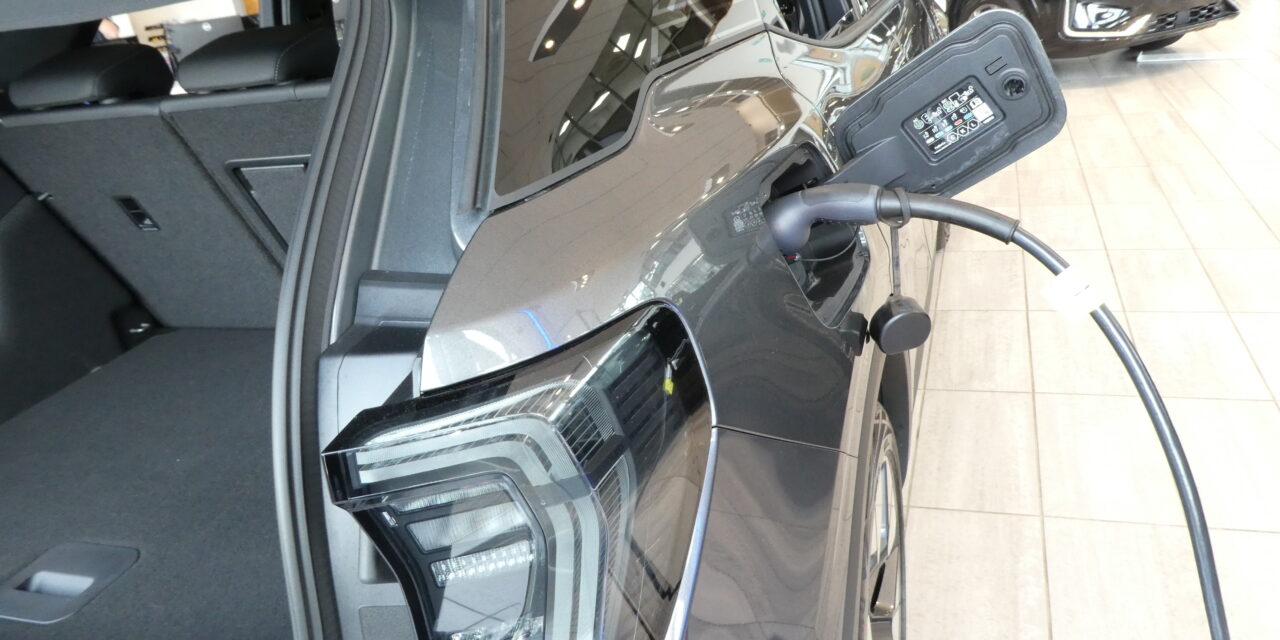
If you are wondering whether you can plug an electric car into an extension lead at home, the honest answer is: technically possible in some situations, but usually a bad idea.
Most EVs can charge from a normal UK three-pin socket using a portable charging cable, often called a granny charger. The problem is not the car. The problem is everything between the socket and the car. Extension leads add extra resistance, extra connection points and extra chances for heat, voltage drop or moisture to become an issue during a charging session that can last for hours.
For that reason, the safest advice is simple: avoid charging an EV through an extension lead unless the manufacturer and charger instructions clearly allow it and you are dealing with a genuine short-term backup situation.
Quick answer
Can you charge an EV with an extension lead in the UK?
Usually, you should not. A proper home wallbox or a direct plug into a suitable socket is safer. If you ever use an extension lead in an emergency, it needs to be heavy-duty, fully uncoiled, outdoor-rated, in excellent condition and checked regularly for heat. Even then, it should be treated as a temporary workaround rather than your normal charging setup.
Why extension leads are risky for EV charging
Charging a car is not like plugging in a phone charger or a vacuum. Even a slow three-pin EV charger can draw a steady load for many hours.
That is where extension leads become a weak point.
1. Heat build-up is the big risk
A domestic extension lead might look fine for garden tools or a pressure washer, but EV charging is a long-duration electrical load. If the cable is thin, damaged, loosely connected or still wound on a reel, heat can build up at the plug, socket or cable drum.
That extra heat is exactly what you do not want during an overnight charge.
2. Every extra connection is another failure point
A direct connection from charger to socket is simpler. Add an extension lead and you create more joins, more plugs and more places for poor contact or moisture ingress.
That matters outdoors, especially in a British winter when rain, cold and dirty connectors are part of normal life.
3. Socket quality and circuit protection matter more than many drivers realise
A worn indoor socket, a tired outdoor outlet or old wiring may cope with occasional light use, but EV charging asks for a long, consistent draw. If the socket or circuit is not in good condition, the extension lead does not solve anything. It can make a marginal setup worse.
RCD protection matters too. Many portable EV chargers include their own protection features, but that does not turn an unknown socket and extension lead into a proper long-term charging solution.
4. Voltage drop can slow charging and stress equipment
Longer cable runs increase voltage drop. That can mean slower charging or less stable performance, especially with cheaper or lightweight extension leads.
You may not notice it at first, but a setup that looks convenient can turn into a poor charging habit.
Is it ever acceptable to charge an EV with an extension lead?
In strict safety terms, it is better to avoid it. In real life, some owners do use an extension lead for a one-off or occasional top-up when there is no realistic alternative.
If you are in that position, treat it as an emergency-only solution and check three things before you even think about plugging in:
- your car handbook does not forbid it
- the portable charger manufacturer does not forbid it
- the extension lead is genuinely suitable for a sustained outdoor load
That means:
- heavy-duty and correctly rated for the load
- fully uncoiled, never left wound on a reel
- as short as practical
- outdoor-rated and kept clear of standing water
- free from damage, cuts, crushed sections or loose plugs
- plugged into a socket you trust on a circuit in good condition
- checked regularly during the session, especially in the first hour
Then monitor it. If the plug, socket or cable feels hot, stop immediately.
If you find yourself doing this often, you do not have an extension-lead problem. You have a home charging setup problem.
Can you charge overnight this way?
That is where the risk becomes harder to justify.
Many UK drivers want to charge overnight because electricity is cheaper on off-peak tariffs. But an extension lead left outside, under load, for six to twelve hours is exactly the sort of setup that deserves extra caution.
If you want routine overnight charging, a properly installed wallbox is the better answer. It is designed for repeat use, weather exposure and the sort of electrical load EV ownership brings.
If you are comparing the cost of a proper home setup, it is also worth checking what support still exists in the UK. Our guide to electric car grants and EV incentives in the UK for 2026 explains what is still available, while this piece on the UK’s £500 home EV charger grant and local councils is useful if you are looking at installed charging rather than improvised solutions.
What if you do not have a driveway?
This is where the question often starts.
A lot of UK EV owners or would-be buyers live in terraces, flats or older streets where off-street parking is limited. Running a charging cable out of the house and across the pavement might look like the obvious answer, but it is not something to treat casually.
A trailing cable can create a trip hazard, and local councils may require an approved cross-pavement solution rather than a loose cable run. In other words, if you do not have a driveway, the smart answer is usually to look at local charging options, council schemes or a properly approved cable channel rather than relying on an extension lead from the hall socket.
Better alternatives to using an extension lead
If you need to charge at home regularly, these are the options that make more sense.
Install a proper home charger
A dedicated wallbox is faster, neater and much better suited to repeated charging. It also makes it easier to take advantage of overnight tariffs without worrying about whether a plug or extension reel is getting warm in the dark.
Use the portable charger straight from a suitable socket
If your EV and charger are designed to allow three-pin charging, a direct connection to a good-quality socket is better than adding an extension lead into the mix.
It will still be slower than a wallbox, but it removes one obvious weak point.
Use public charging more strategically
If home charging is awkward, it can make sense to rely on a mix of public rapid charging and occasional home top-ups rather than building a routine around an extension lead.
That is especially true if your parking situation changes day to day.
Signs your setup is not safe enough
Stop charging and rethink the setup if you notice any of the following:
- the plug or socket feels warm or hot
- the extension lead is still partly coiled
- the cable route leaves plugs exposed to rain or standing water
- the charger repeatedly reduces speed or stops
- the socket is loose, old or discoloured
- you are using adapters, multi-way extensions or chained leads
Those are all warning signs that convenience has started to outrun safety.
Does using an extension lead damage the battery?
The bigger concern is electrical safety, not direct battery damage.
A well-managed portable charger should control the charge into the battery itself. What the extension lead can affect is the quality and safety of the supply reaching the charger. So the usual worry is overheating, poor connections or nuisance trips rather than instant battery harm.
If you are buying a used EV and want to understand the battery side properly, our guide to used EV battery health certificate requirements in the UK is a useful next read.
Final verdict
Yes, you can sometimes charge an EV with an extension lead in the UK, but that does not make it a good everyday idea.
For most drivers, the safe answer is to avoid it unless it is a short-term backup and both the vehicle and charger guidance leave room for it. A direct connection to a suitable socket is better. A proper home wallbox is better again.
If you are planning to own an EV for the long haul, it is worth solving the charging setup properly rather than normalising a workaround that was never meant to be permanent.






Trackbacks/Pingbacks