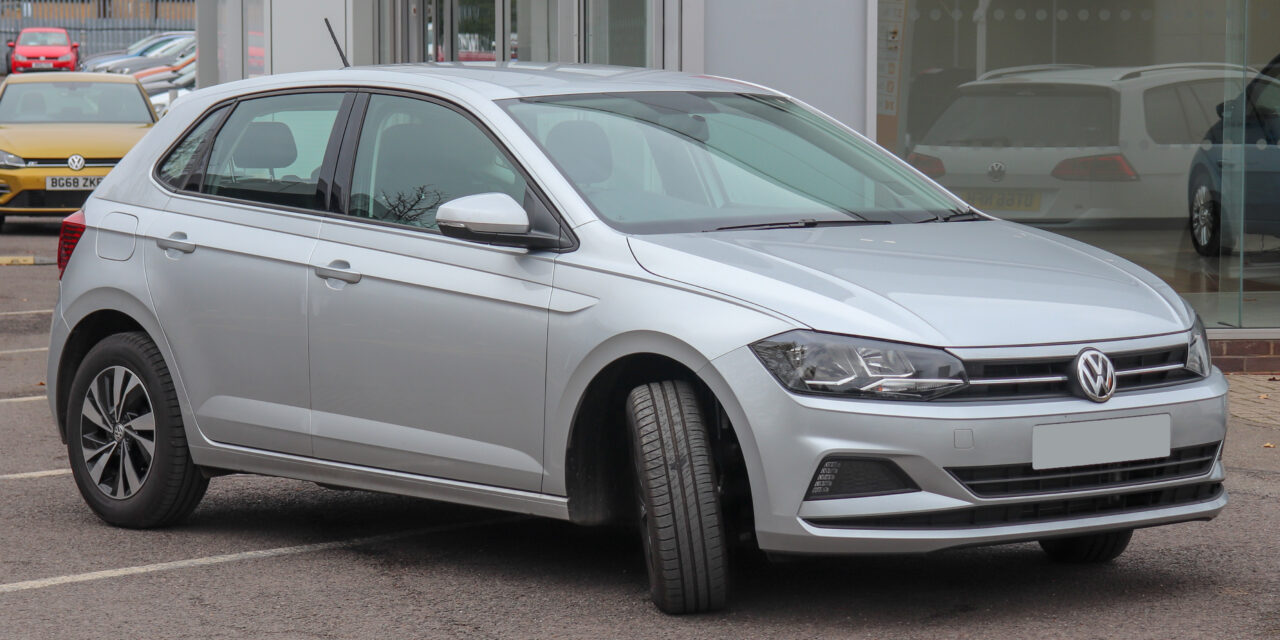
If you are shopping for a used Volkswagen Polo, the good news is that it is one of the safer small-car choices on the UK market. The awkward bit is that a Polo can look reassuringly sensible while still hiding expensive engine, gearbox, electrical or neglect-related problems.
The main used Volkswagen Polo problems to look for are weak service history on small turbo petrols, rattly 1.2 TSI timing chains on older cars, DSG automatic issues, diesel DPF trouble, tired suspension, air-conditioning faults, slow electric windows and incomplete recall work. A tidy Polo is easy to recommend. A cheap one with vague paperwork is not.
Quick answer: what should you check first?
Before buying a used Volkswagen Polo in the UK, start with these checks:
- service history, especially oil changes and timing-belt or timing-chain evidence
- cold-start noise, rough idle, misfires or EPC/engine warning lights
- DSG automatic behaviour in traffic, on hills and when reversing
- diesel DPF and EGR warning signs if the car has mostly done short trips
- air conditioning, electric windows, washers, infotainment and parking sensors
- suspension knocks, steering pull and uneven tyre wear
- MOT history for repeated advisories on tyres, brakes, suspension, lights or emissions
- recall completion with Volkswagen, especially on 2014 to 2018-era cars
For most buyers, the safest used Polo is a well-maintained petrol manual with clean paperwork and no dashboard warnings.
Which used Volkswagen Polo generations matter most?
Volkswagen Polo Mk5, 2009 to 2017
This is the big one in the affordable used market. The Mk5 Polo feels solid, is easy to drive and is common in S, SE, Match, SEL, BlueMotion and GTI forms. It is also old enough now that maintenance history matters much more than trim.
Early and mid-life cars can be tempting because they feel more upmarket than some rivals of similar age. Just remember that premium-feeling does not mean premium-proof. A neglected 1.2 TSI, tired diesel or jerky DSG can quickly wipe out the saving you thought you were making.
Volkswagen Polo Mk6, 2017 onwards
The 2017-on Polo is larger, more refined and generally the nicer used car if your budget stretches to it. Most UK cars use 1.0-litre petrol engines, including TSI versions, and many have stronger safety and infotainment kit.
These later Polos are not old bangers yet, but they still need a proper check. Look closely at recalls, tyres, bodywork, software behaviour, infotainment, driver-assistance warnings and whether servicing has been done on time.
Older 2005 to 2009 Polos
Older Polos can still work as cheap runabouts, but buy entirely on condition. Paint damage, coil-pack misfires, ABS warning lights, rattly dashboards, worn suspension and general age-related neglect matter more than mileage alone.
1. Service history is the first filter
A used Polo is not a car to buy on badge trust alone. The first question is simple: can the seller prove it has been serviced properly?
Look for invoices, not just a stamped book. You want to see regular oil services, brake-fluid changes, spark plugs where relevant, timing-belt work on belt-driven engines and evidence that previous faults were fixed rather than repeatedly diagnosed.
Be cautious if you see:
- long gaps between services
- missing invoices on a small turbo petrol
- a seller who says “full service history” but cannot show it
- engine lights recently cleared with no repair invoice
- repeated MOT advisories that come back year after year
A Polo with boring paperwork is usually a better buy than a shinier car with a mystery past.
2. 1.2 TSI timing-chain noise on older cars
The 1.2 TSI petrol is one of the key engines to check carefully on Mk5 Polos. It can be a pleasant engine when healthy, but older Volkswagen Group small turbo petrols are known for timing-chain and tensioner concerns.
The warning sign is usually a rattle on cold start, especially from the engine bay before the car settles. Also watch for rough idle, hesitation, engine-management warnings or a seller who has warmed the car up before you arrive.
Do not diagnose a timing chain on the driveway, but do treat noise seriously. If the car rattles from cold, has patchy history or comes with vague “they all do that” reassurance, either get a specialist inspection or walk away. The cheapest Polo in the listings can become very expensive if the timing system is already unhappy.
3. DSG automatic gearbox issues
Some Polos use Volkswagen’s DSG automatic gearbox. When it is healthy, it can make the car feel smart and easy to drive. When it is not, it can be one of the most expensive reasons to regret a used Polo.
Your test drive needs to include traffic, hill starts, parking-speed manoeuvres and reversing. Do not just drive along a clear A-road.
Watch for:
- shuddering or juddering when pulling away
- a delay when selecting drive or reverse
- harsh low-speed changes
- warning lights or gearbox messages
- loss of reverse gear
- a seller who says the jerkiness is normal
If you want the lowest-risk used Polo, a manual petrol is usually the easier recommendation. If you do want a DSG, buy the best-documented car you can find and make sure the gearbox behaves cleanly from cold and warm. If you are cross-shopping small autos, our guide to the best used small automatic cars under £10,000 may help narrow the shortlist.
4. Diesel DPF and EGR trouble on short-trip cars
Diesel Polos can be very economical, especially for long-distance drivers, but they are not ideal if the car has spent years doing short urban journeys.
The diesel particulate filter needs the right sort of driving to regenerate properly. If a diesel Polo has mostly done cold starts, school runs and stop-start town use, you need to be alert for DPF, EGR and emissions-system trouble.
Warning signs include:
- engine or emissions warning lights
- sluggish acceleration or limp mode
- excessive fan activity after shutdown
- smoke, rough running or poor fuel economy
- invoices for forced regeneration or repeated emissions diagnostics
- a seller saying it “just needs a motorway run”
For most low-mileage UK buyers, petrol is the simpler choice.
5. Coil packs, EPC lights and rough running
Petrol Polos are usually straightforward, but misfires and ignition faults are worth checking. Older petrol cars in particular can suffer coil-pack issues, while any small turbo petrol with poor servicing can feel rough or hesitant.
Start the engine from cold if possible. It should settle quickly, idle smoothly and accelerate cleanly without flashing warning lights. During the test drive, try gentle acceleration, firmer acceleration and steady cruising.
Be cautious if you notice:
- EPC or engine warning lights
- lumpy idle
- hesitation under load
- a strong smell of fuel
- repeated diagnostic invoices without a clear fix
A coil pack itself may not be ruinous, but warning lights on a used car are never something to wave away before purchase.
6. Air conditioning and cooling-system checks
Used Polos can suffer from air-conditioning problems, including condenser or radiator-related leaks. Sellers often describe weak air-con as “just needing a regas”, but that is not proof.
Turn the air conditioning on during the viewing and leave it running. It should blow properly cold air and the fan speeds should work cleanly. If it only cools slightly, does nothing, smells damp or clicks repeatedly, assume it needs diagnosis.
Air-con is easy to forget in winter and very annoying to repair in summer. Use it as a bargaining point or choose another car.
7. Electric windows, washers and cabin electrics
A Polo’s cabin usually feels durable, which is exactly why you should not overlook small electrical faults.
Check every electric window from the driver’s switch and each door switch. Slow movement can point to dirt, tired mechanisms or motors under strain. Test the windscreen washers properly too; weak or absent spray can be more than an empty bottle if washer pipes have split or perished.
Also check:
- central locking and both keys
- infotainment, DAB and Bluetooth
- USB ports and phone connection
- parking sensors if fitted
- dashboard illumination and warning lights
- air conditioning controls
- heated rear screen and mirrors
One minor fault is not a disaster. Several minor faults usually tell you the car has been maintained casually.
8. Suspension knocks, brakes and tyre wear
The Polo is light and easy to drive, but UK roads still take their toll. Older cars can develop worn bushes, tired suspension arms, noisy top mounts, creaking brakes and uneven tyre wear.
On the test drive, deliberately include rougher roads and speed bumps. Listen for clonks from the front end and feel whether the car tracks straight. A healthy Polo should feel stable, not nervous or vague.
Check for:
- knocking over potholes
- steering pull to one side
- an off-centre steering wheel
- vibration at speed
- uneven front-tyre wear
- cheap mismatched tyres
- brake pulsing, grinding or a long pedal
Tyres are one of the best clues to how a small used car has lived. If the wheels are heavily kerbed and the tyres are worn unevenly, look harder at suspension and alignment. Our guide to wheel alignment vs tracking explains what those tyre clues often mean.
9. Bodywork, interior wear and signs of hard town use
A Polo is often bought by new drivers, commuters and city users. That means many examples have had a harder life than their tidy shape suggests.
Inspect the corners carefully. Bumper scuffs, kerbed alloys, parking dents, mismatched paint and cracked light units are common. Inside, check the seat bolsters, steering wheel, pedal rubbers, boot trim, parcel shelf and carpets.
None of this automatically rules a car out. It helps you judge the owner. A Polo with four cheap tyres, two missing trims, a damp boot and a seller who cannot find the spare key is not the same risk as a well-kept car with a few honest stone chips.
10. Recall checks are important on UK cars
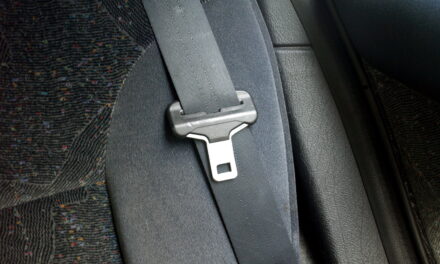
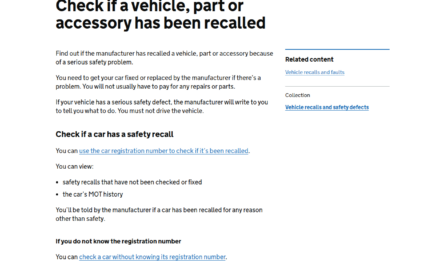
Do not skip the recall check. The UK government recall database lists several Polo safety recalls across the 2014 to 2018 period, including child-lock concerns on some 2015 cars, front-seat backrest welding checks, towing-eye replacement, handbrake adjustment work and a rear-seatbelt double-buckle issue on some 2017 cars.
A recall does not mean you should avoid the Polo. It means you should confirm the work has been completed. Use the government recall checker, then ask Volkswagen or a VW dealer to confirm the specific car by VIN.
This is especially important if the car has changed owners several times, because recall letters may not always have reached the person now selling it.
What to inspect before buying a used Volkswagen Polo
Check the MOT history before you travel
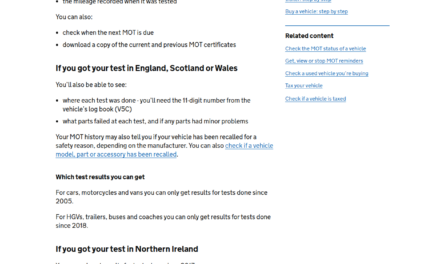
Use the official MOT history service and look for patterns. Repeated advisories for tyres, brakes, suspension arms, lights, emissions or corrosion are more useful than a seller’s claim that the car “always passes”.
Start it from cold
A cold start is your chance to hear timing-chain rattle, misfires, noisy belts, exhaust blows and rough running. If the seller has already warmed it up, ask why.
Drive it properly
A five-minute loop is not enough. You want slow traffic, rough surfaces, a faster road, parking manoeuvres and at least one restart once the car is warm.
Test every feature
Small electrical problems are easy to hide in an advert. Windows, washers, air-con, infotainment, locking, lights and parking sensors should all be tested before you pay.
Read the paperwork slowly
A Polo with genuine maintenance history should have a paper trail. If the seller is rushing you, slow the process down. A general used car maintenance checklist can also help you spot the basics sellers gloss over.
Which used Volkswagen Polo is the safest bet?
For most UK buyers, the safest used Polo is a petrol manual with a clear service record, clean MOT history and no dashboard warning lights.
A later Mk6 1.0 TSI manual is a good all-round choice if your budget allows. A tidy Mk5 petrol can still make sense, but be more cautious around older 1.2 TSI cars with weak history, cheap diesels used for short trips and DSG automatics that do anything strange at low speed.
I would be most careful with:
- any Polo with timing-chain rattle from cold
- DSG cars with shuddering, hesitation or warning lights
- diesel cars with short-trip history and emissions warnings
- cars with missing service records
- examples with repeated MOT advisories for tyres, suspension or brakes
- sellers who cannot confirm recall completion
If you are comparing the Polo with other small hatchbacks, our guides to the used Peugeot 208 problems to look for and the used Renault Clio buyer’s guide are worth reading too.
Is a used Volkswagen Polo a sensible buy?
Yes, a used Volkswagen Polo can be a very sensible small car. It feels mature, is easy to drive, has a strong image and usually suits UK commuting, town use and first-car duties well.
The trick is not paying a Volkswagen premium for a neglected car.
Buy on condition, paperwork and how it behaves from cold. A good Polo should feel tight, smooth and boringly correct. If it rattles, judders, flashes warning lights or comes with a story instead of service history, there will always be another one for sale.
The bottom line
The main used Volkswagen Polo problems to look for are timing-chain concerns on older 1.2 TSI cars, DSG automatic faults, diesel DPF and EGR issues, ignition misfires, air-conditioning leaks, slow electric windows, washer faults, suspension wear, tyre neglect and incomplete recall work.
A well-maintained Polo is still one of the stronger used supermini choices in the UK. Just do the boring checks properly before you buy, because those checks are what separate a dependable small car from an expensive badge-led mistake.