
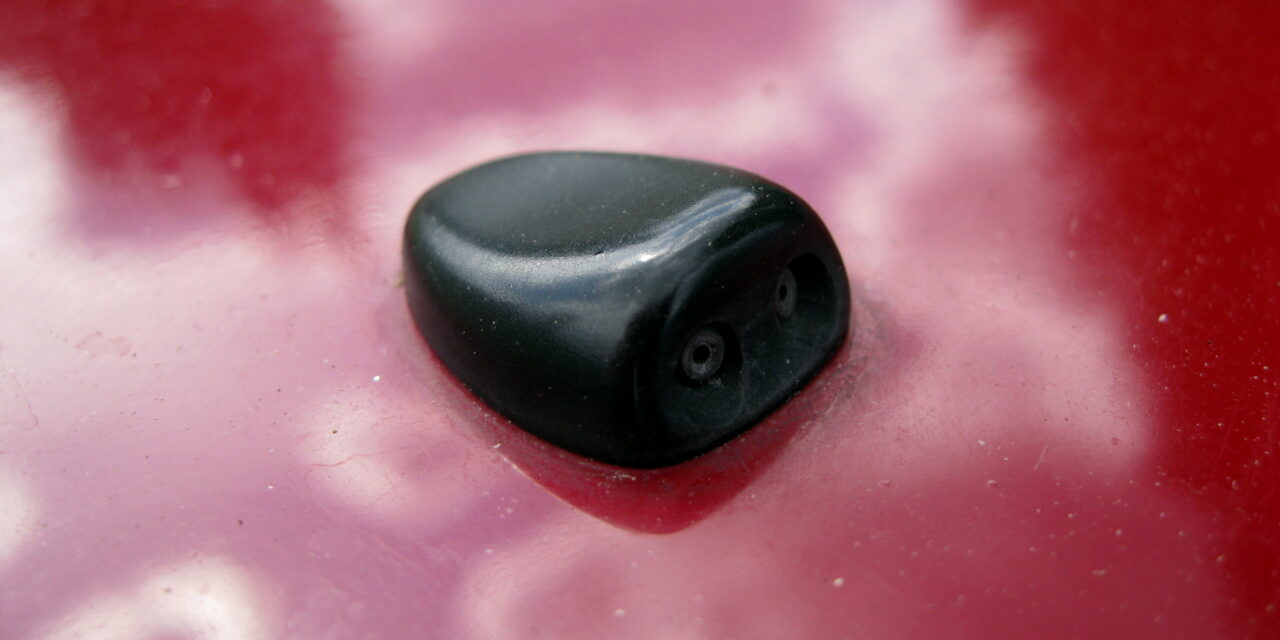
Blocked washer jets are a simple fault, but they can still cause an MOT failure if the system cannot put enough fluid on the windscreen for the wipers to clear it properly. The good news is that most cases come down to low screenwash, dirt in the nozzles, frozen fluid or a split hose rather than an expensive repair.
If you have an MOT booked soon, treat washer jet blockage as a visibility problem, not a cosmetic one. A five-minute check on the driveway can be enough to get the system working again and avoid an easy fail.
Quick answer
Yes, blocked washer jets can fail an MOT. The GOV.UK MOT inspection manual says windscreen washers are a major defect if they are not working or do not provide enough fluid to clear the windscreen. In practice, that means the tester needs to see the washers spray enough screenwash for the wipers to do their job.
What the MOT tester is looking for
The washer system does not need to be perfect, but it does need to work effectively. During the visibility part of the test, the tester will check that:
- the washers operate when switched on
- enough fluid reaches the windscreen
- the wipers can then clear the glass properly
If the bottle is empty, the jets are blocked, the hose has popped off or the pump has failed, the car is likely to fail.
Washer performance also matters more if your wiper blades are tired. If the blades are smearing or missing parts of the screen, read our guide to Peugeot 208 wiper blade MOT fail: what testers look for. Visibility faults often come in pairs.
The quick MOT fix checklist
Start with the easy checks before you assume the pump or wiring is at fault.
1. Top up with proper screenwash
This sounds obvious, but it catches people out all the time. A low or empty bottle is the fastest explanation for weak spray or no spray at all.
Use proper screenwash rather than plain water. Plain water can encourage algae, leave residue in the system and freeze more easily in cold weather. If the car has been through a frosty night, frozen fluid in the lines or nozzles may be the real problem even if the reservoir is full.
2. Listen for the washer pump
Turn the ignition on and operate the washers while standing near the front wing or asking someone else to press the stalk.
- You can hear the pump: the blockage is more likely to be in the nozzle or hose.
- You cannot hear the pump: check the fuse, wiring or the pump itself.
A silent pump does not always mean the pump has failed, but it usually means the fault is further back than the nozzle.
3. Clear the jet nozzles carefully
Road grime, wax, limescale and old screenwash residue can block the tiny nozzle openings.
Try this in order:
- Wipe the nozzle area clean first.
- Use warm water around the jet area if you suspect dried residue or light freezing.
- Clear the hole gently with a very fine pin, a soft plastic pick or compressed air.
- Test the washers again before digging any deeper.
Be gentle. Forcing a large needle into the nozzle can damage the opening or throw the spray pattern out of line.
4. Check for a split or disconnected hose
If the pump runs but nothing reaches the windscreen, open the bonnet and look for leaks around the washer bottle, pump and feed lines.
Common signs include:
- wet patches under the bonnet after operating the washers
- a puddle under the front of the car
- fluid running down the inner wing instead of reaching the jets
A loose hose can be a cheap fix. A cracked line or failed non-return valve is still usually a small repair compared with many other MOT failures.
5. Make sure the spray actually hits the screen
A jet that sprays too low, too high or off to one side may not put enough fluid where the wipers need it.
After clearing the blockage, check the spray pattern. If the stream is badly aimed, adjust the nozzle very slightly and retest. You want a broad enough pattern to help the wipers clear the driver’s view rather than one thin stream missing the swept area.
Why washer jets get blocked
Most blockages come from one of four things:
Dirt and debris
Tiny particles can build up in the nozzle itself, especially if the car lives outside or is washed infrequently.
Old screenwash residue
Mixing different fluids, using poor-quality additives or leaving the system unused for long periods can leave deposits behind.
Frozen fluid
If the reservoir was topped up with weak mix or plain water, the system may freeze in cold weather. Even a partly frozen line can cut the spray to a dribble.
Algae or contamination in the bottle
Cars that sit for long periods can end up with cloudy fluid and contamination in the reservoir. If that is the case, simply clearing the nozzle may not be enough. The system may need draining and refilling.
Will one weak jet still pass an MOT?
Sometimes owners hope one side working is enough. The safer answer is not to rely on that.
The test is about whether the washers provide enough fluid for the wipers to clear the windscreen effectively. If one side barely sprays, the screen does not clear properly or the driver’s swept area is left dirty, you are in fail territory.
What it usually costs to fix
Washer jet faults are usually cheap by MOT standards.
- topping up screenwash: only a few pounds
- cleaning or adjusting a nozzle: usually DIY
- replacing a nozzle or hose: often modest parts cost
- replacing a pump: still normally far cheaper than suspension, brakes or exhaust work
If you want a broader idea of what common test-day faults can cost, see our guide to MOT repair costs UK: what common failures usually cost to fix.
When to stop DIY and book a repair
Book the car in if:
- the pump stays silent after fuse checks
- the hose is leaking somewhere awkward under the scuttle or trim
- the jets clog repeatedly soon after cleaning
- the washer bottle looks contaminated inside
- the spray pattern remains poor even after clearing and adjusting the nozzles
It is also worth sorting washer faults alongside any other visibility issues before test day. For example, cloudy lamps can make life harder at the same time, which we cover in Cloudy headlight restoration for MOT: when haze becomes a problem.
Bottom line
Washer jet blockage is one of the more fixable MOT problems, but it is still taken seriously because it affects visibility. If the washers cannot put enough fluid on the screen for the wipers to clear it, the car can fail with a major defect.
Start with the simple checks: fluid level, frozen lines, blocked nozzles, hose leaks and pump noise. In many cases, that is enough to fix the problem before your MOT and save yourself an unnecessary fail.




Trackbacks/Pingbacks