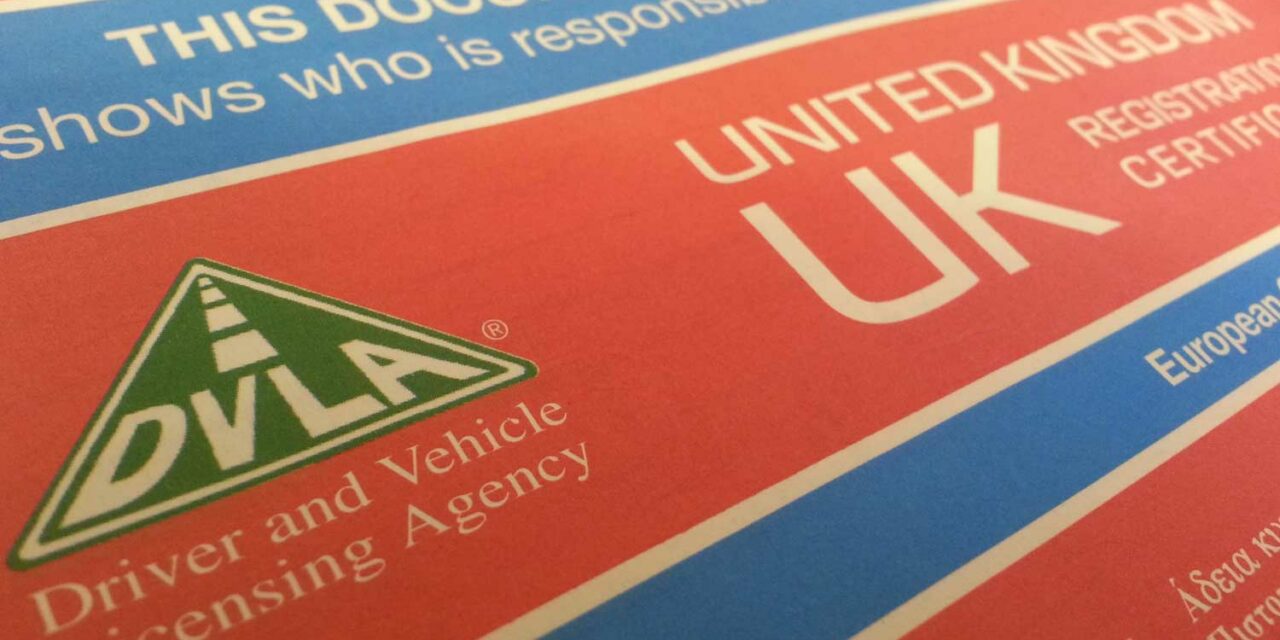
If you have just sold your car, the handover is not finished when the money lands and the keys change hands. In the UK, the part that really protects you is making sure DVLA is told promptly and the buyer leaves with the right bit of the V5C.
Miss that step and you can end up dealing with tax confusion, penalty notices or letters about a vehicle you no longer own. The good news is that the official process is straightforward if you do it in the right order.
Here is the practical checklist for a private UK sale, plus the common mistakes that cause the most trouble afterwards.
The short version
If you are selling a car privately in the UK, the essentials are:
- make sure the V5C details are up to date before the sale
- keep your V5C document reference number private until you are ready to complete the handover
- give the buyer the green new keeper slip from the log book
- tell DVLA online that you have sold or transferred the vehicle to a new keeper, or post the V5C if you cannot use the online service
- keep proof of the date of sale and the buyer’s details
- remember that vehicle tax does not transfer with the car
That is the core of it. Everything else is about avoiding messy edge cases.
Step 1: check your V5C is accurate before you sell
Before you advertise the car or agree a collection date, check that the V5C log book is in your current name and address and that the vehicle details are correct.
GOV.UK says you should update the log book if your name or address has changed or if the vehicle details need correcting. If those details are wrong, it can slow things down and may affect any tax refund due after the sale.
If your address has changed and you have not dealt with it yet, read our guide on updating your V5C and driving licence before the handover.
Step 2: protect the log book before the deal is done
Potential buyers often want reassurance that the car matches the paperwork. Showing them the V5C is sensible. Sharing the sensitive reference details is not.
GOV.UK specifically warns sellers not to share:
- the V5C document reference number
- photos or copies of the whole log book
That matters because the wrong person could use those details to apply for a fraudulent replacement log book.
So let a serious buyer inspect the document in person, but do not text or email full copies around.
Step 3: if you want to keep a private plate, remove it first
A personalised registration does not automatically stay with you when you sell the car. If you want to keep it, you need to apply to take it off the vehicle before the sale completes.
If you leave that too late, you risk transferring the plate with the car.
We have already covered the process here: how to transfer a private number plate in the UK.
Step 4: give the buyer the green new keeper slip
If the car is staying in the UK, the buyer should leave with the green new keeper slip from the V5C. That slip helps them tax the vehicle straight away.
This is a key point because car tax does not transfer with ownership. The old tax is cancelled when DVLA is told about the sale, and the buyer must tax the car before driving it away unless it is being moved or kept off road in a way that is separately lawful.
If the buyer is taking the car home on the road, make sure they understand this. It is their job to tax it, but it is still worth stating clearly before they set off.
For buyers who need a refresher, our guide on taxing a car you have just bought explains what they need.
Step 5: tell DVLA as soon as the sale is completed
This is the bit that protects you.
DVLA says you must tell them when you no longer own the vehicle. For most private sales, the quickest route is the official online service. GOV.UK says the online service is normally available:
- Monday to Friday, 7am to 9pm
- Saturday and Sunday, 7am to 8pm
If you use the online route, complete it as soon as the buyer has paid and the car is actually being handed over. Do not leave it for a few days because that gap is exactly where post-sale arguments start.
If you cannot use the online service, you can notify DVLA by post using the V5C.
Step 6: keep your own proof of the handover
Even if you complete the official DVLA notification immediately, keep your own record of the sale.
At minimum, save:
- the exact date of sale
- the time of handover
- the buyer’s full name and address
- the registration number, make and model
- the agreed price
- any receipt or bill of sale signed by both sides
- confirmation that DVLA was notified online, if you used the digital service
This is boring admin, but it is the stuff that helps if a penalty notice, parking ticket or congestion charge letter turns up later.
What happens to the tax after you tell DVLA?
Once DVLA records that you no longer have the vehicle, the tax is cancelled. GOV.UK says you get a refund for any full months of remaining vehicle tax.
The important word there is full. You do not get refunded for part of a month.
That also means a buyer cannot rely on your existing tax. It stops with you.
What if you do not have the log book?
If you are the seller and you do not have the V5C, GOV.UK says you cannot use the standard online service. Instead, you need to write to DVLA with:
- your name and address
- the vehicle registration number
- the make and model
- the exact date of sale
- the new keeper’s name and address
The address given by GOV.UK for this situation is:
DVLA
Swansea
SA99 1BA
If you are the buyer rather than the seller, do not guess your way through it. Our guide on buying a car without a logbook and using form V62 covers the main risks.
Common mistakes that catch sellers out
Waiting until later to tell DVLA
The sale might feel finished once the car leaves your driveway. Legally and administratively, it is not finished until DVLA has been told.
Handing over the full V5C without completing the process properly
The buyer needs the correct slip, not a vague promise that you will sort the paperwork later.
Forgetting about a private plate
If you want to keep the registration, sort that before the sale, not after.
Sending buyers photos of the whole log book
That is one of those things people do for convenience and then regret.
Assuming the buyer can drive home on your tax
They cannot. Vehicle tax does not transfer.
What if you sold the car and letters still arrive?
First, check your records. If you noted the handover date, kept the buyer’s details and completed the DVLA notification promptly, you are in a much stronger position to challenge anything that lands later.
This is also why it is worth handling the online notification on the day rather than trusting that you will remember it after the weekend.
The bottom line
A private sale is not just about price, payment and a handshake. The clean handover is the important part.
For most sellers, the safest routine is simple: confirm the V5C is right, protect the document reference details, give the buyer the green new keeper slip, tell DVLA immediately, and keep your own proof of the transaction.
Do that, and you greatly reduce the chances of the car coming back into your life in the form of tax confusion or enforcement letters.
Useful official pages: Tell DVLA you’ve sold, transferred or bought a vehicle and Selling a vehicle.