Buying a car without a logbook: how the V62 works and the warning signs to take seriously
If a seller cannot produce the V5C log book, a lot of buyers hear the same line: don’t worry, just fill in a V62 and DVLA will sort it. Sometimes that is true. Sometimes it is exactly the kind of paperwork gap that should make you slow down, ask harder questions or walk away altogether.
The trick is knowing which situation you are in.
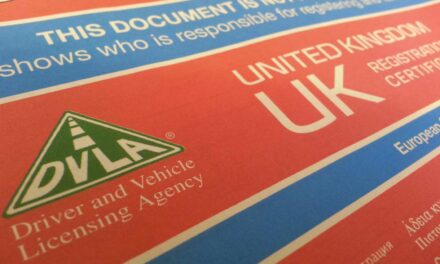
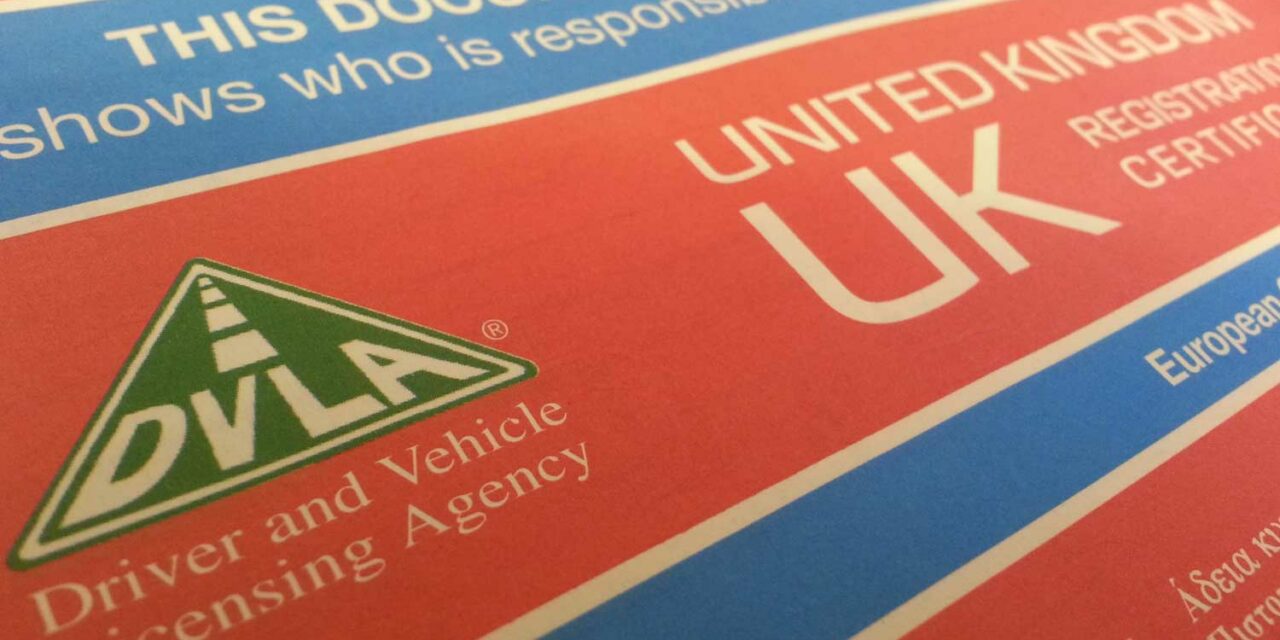
A V62 is the form used to apply for a vehicle registration certificate, better known as the V5C log book. It can be the right fix if the paperwork is missing, has not arrived or needs replacing. But it does not magically make a dubious sale safe, and it does not remove the need to tax the car properly before you drive it.
The short version
- A V62 form is used to apply for a V5C by post.
- GOV.UK says the V62 is a print-only form and cannot be completed digitally.
- If you are already the registered keeper and only need a duplicate V5C, DVLA says you can often use the online replacement service instead.
- If you have bought a vehicle without a log book, GOV.UK says you need to apply for a vehicle registration certificate using form V62.
- If the seller also cannot give you the green V5C/2 new keeper slip, sorting tax before you drive can become much harder.
- Missing V5C paperwork is not always a deal-breaker, but it is absolutely a reason to check the car and the seller more carefully.
What the V62 is actually for
According to GOV.UK, you use form V62 to apply for a vehicle registration certificate. The official guidance is quite specific on two points that matter to buyers.
First, the V62 is not an online form. You print it, fill it in and post it to DVLA.
Second, if you do not need to change anything and you are already the registered keeper, you may be able to skip the paper form and use DVLA’s online replacement V5C service instead. GOV.UK says that route is only for straightforward duplicate log books where the keeper details do not need changing.
That distinction matters because many used-car buyers are not asking for a duplicate in their own name. They are trying to register themselves as the new keeper after buying a vehicle that came with incomplete paperwork. In that situation, the V62 is usually the relevant route.
When a missing V5C is routine and when it is a red flag
There are perfectly innocent reasons why a car might not come with a log book.
The seller may have misplaced it. DVLA may still be processing a change. The vehicle may have been bought recently and the new V5C may not have arrived yet.
But there are also less innocent possibilities. The seller may not be the actual keeper. The car may be being traded from a different address to the one linked to the record. Or the seller may simply be cutting corners and expecting you to take the risk.
That is why a missing V5C should never be treated as a minor admin detail until the rest of the story checks out.
The RAC’s used-car buying guidance says that if you are buying privately, the name of the registered keeper should match the person you are dealing with, and the address should be the property you are buying the car from. If it does not, ask questions. RAC also notes that a V5C is not proof of ownership, but it is still one of the most important documents for checking whether the sale feels legitimate.
The checks that matter before you hand over money
If a car has no log book, do more homework, not less.
1. Check the car exists on DVLA exactly as described
Use GOV.UK’s vehicle information service to confirm the registration, make, model, engine size, fuel type, year of manufacture, MOT expiry and the date the last V5C was issued.
If the seller’s description does not line up with DVLA’s record, that is a bad start.
2. Check the MOT history, not just whether it has an MOT
GOV.UK’s MOT history checker lets you see previous failures, advisories and mileage records. That can tell you a lot about how the car has been maintained and whether the mileage story makes sense.
A car with no V5C and a suspicious MOT history is exactly the sort of combination that deserves extra caution.
3. Check the VIN against the vehicle
The registration number alone is not enough. The RAC advises checking that the Vehicle Identification Number on the paperwork matches the VIN on the car, which you can usually see at the base of the windscreen and elsewhere on the vehicle.
If the numbers do not match, stop there.
4. Check whether the seller’s story adds up
Ask why the V5C is missing, how long they have owned the car and whether they have any proof of purchase, service invoices or other paperwork linking them to it.
A reasonable seller may be a bit embarrassed by the missing log book, but they should still be able to explain the situation clearly.
A vague story, pressure to move fast or unwillingness to show ID is where this starts to smell wrong.
5. Check whether you will actually be able to tax it
GOV.UK says you must tax a vehicle you have bought before you drive it, unless you are declaring it off the road with a SORN. Tax does not transfer from the previous keeper.
Normally, a buyer uses the 12-digit reference on the green V5C/2 new keeper slip to tax the car straight away. Post Office guidance says that if you do not have the V5C or V5C/2, you will need to apply for a new V5C using a V62, and the cost is £25.
That does not mean you should casually buy first and sort it later. It means the missing paperwork can become your problem very quickly.
Can you buy a car without a V5C and still drive it home?
Sometimes, yes. Sensibly, not always.
If the seller gives you the green V5C/2 new keeper slip, you can usually tax the car immediately and drive it legally once insurance and any MOT requirements are in place.
If the seller cannot provide either the full V5C or the V5C/2, you need to think much harder before committing. GOV.UK’s vehicle tax guidance says that if you do not have the required documents, you need to apply for a new log book and can tax the vehicle at the same time. In practice, that usually means dealing with the V62 route rather than doing a simple online tax transaction on your phone.
That is a nuisance at best. At worst, it leaves you with a car you cannot use straight away and a paperwork dispute you did not need.
What a V62 cannot fix
This is the bit buyers sometimes miss.
A V62 can help you apply for the correct registration certificate. It cannot tell you whether the seller was trustworthy. It cannot clean up a questionable vehicle history. It cannot prove the car is free of finance. It cannot guarantee the seller had the right to sell it in the first place.
It also does not override the normal legal basics. You still need to insure the car. You still need to tax it before using it on the road. And if the vehicle is in poor condition, you still need to make sure it is roadworthy.
So if your instinct is that the seller is using "just fill in a V62" as a way to brush off bigger concerns, trust that instinct and keep digging.
If you already bought the car with no log book
Do not panic, but do get organised.
- Fill in a V62 form and follow the latest DVLA instructions.
- Keep a written receipt showing the registration number, sale date, price and the seller’s name and address.
- Check the vehicle’s DVLA record and MOT history immediately so you know what you are dealing with.
- Sort tax before using the vehicle on the road. If you do not have the documents needed for the standard online route, follow the V62 guidance and use a Post Office branch that handles vehicle tax if required.
- Keep copies of every document you send.
If the seller promised the V5C was "in the post", ask when it was sent and what exactly was submitted to DVLA. If the answers stay fuzzy, assume you need to protect yourself rather than waiting around.
The sensible verdict
A missing V5C does not automatically mean a car is stolen, clocked or a terrible buy. But it does move the burden of checking onto you.
If the seller can explain the gap, the car’s identity checks out, the history stacks up and you have a clear route to tax and register it properly, a V62 can be a normal paperwork fix.
If the story is muddled, the seller will not match themselves to the vehicle, or the missing log book is just one of several warning signs, the smartest move is usually the simplest one: walk away and buy a car with its paperwork in order.