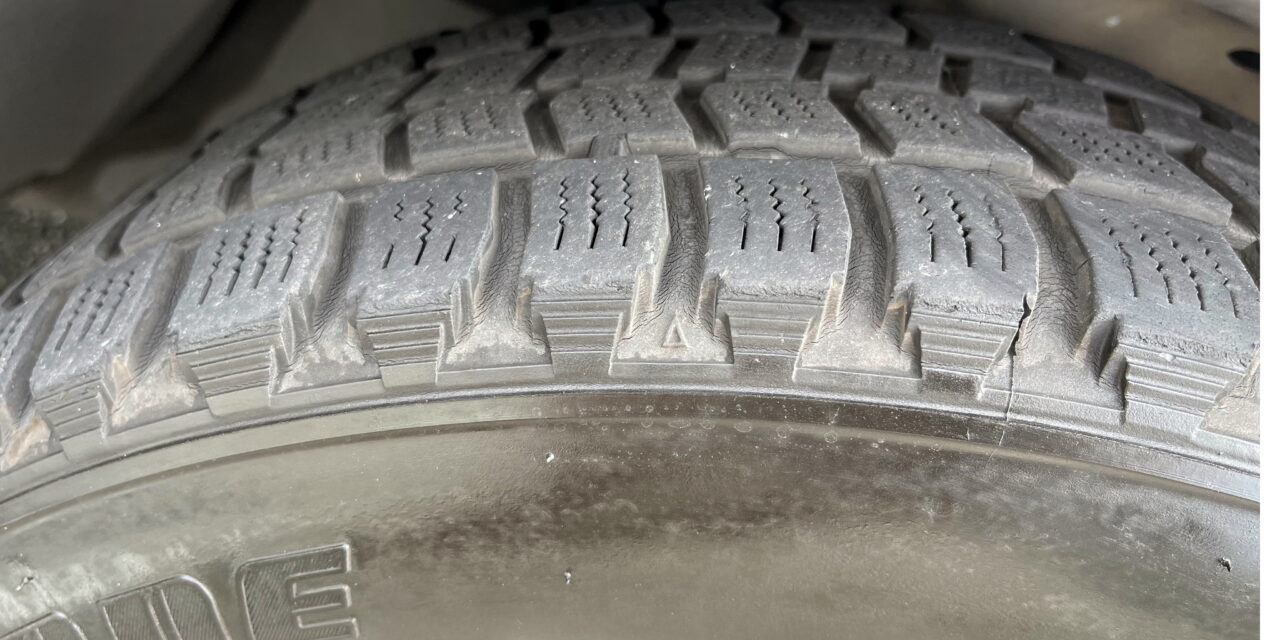
If you buy tyres in the UK, there is a good chance you have seen all-season options sitting between the usual summer choices and full winter rubber. They are often sold as the sensible one-set answer, but that does not automatically mean they are the right buy for your car, your roads or your driving pattern.
For a lot of UK drivers, a good all-season tyre does make sense. For others, it is a compromise that solves the wrong problem. The useful question is not whether all-season tyres are good in general. It is whether they fit the weather, mileage and roads you actually deal with.
What an all-season tyre is meant to do
An all-season tyre is designed to cover the ground between a summer tyre and a winter tyre. Michelin describes them as combining elements of both, so you can run one set through dry roads, wet roads, cold snaps and light snow without swapping tyres twice a year.
That is the appeal. In much of the UK, especially where winters are cold and wet rather than consistently snowy, many drivers want better cold-weather reassurance than a pure summer tyre offers, but do not want the cost and hassle of keeping a second winter set.
The marking that matters most: 3PMSF
If you take one buying tip from this guide, make it this one. Look for the 3PMSF symbol, which stands for Three Peak Mountain Snow Flake.
Michelin’s winter tyre marking guide says the 3PMSF symbol is awarded by a certified laboratory after a tyre has been tested using a standardised regulatory method for snow performance. That matters because some tyres also carry M+S or Mud and Snow wording, and Michelin notes that M+S does not require passing a certified test.
In plain English, 3PMSF is the more meaningful sign that a tyre has genuine winter capability. If you are comparing all-season tyres for UK use, especially if you sometimes drive in frost, slush or light snow, it is the marking worth prioritising.
Why all-season tyres suit a lot of UK driving
The UK does not give drivers one neat weather pattern. A typical winter in much of England or Wales can mean cold mornings, long wet spells, standing water, a few frosty starts and maybe one or two days of snow rather than months of it.
That is exactly the kind of middle ground where a good all-season tyre can be a smart buy.
They usually make the most sense if you want:
- one tyre choice for the whole year
- stronger cold-weather performance than a basic summer tyre
- no seasonal wheel storage or tyre swaps
- a bit more confidence on wet roads and the occasional icy or snowy morning
Independent testing also helps explain the appeal. Tyre Reviews’ 2025-26 all-season test put nine popular all-season tyres up against a strong summer reference tyre and a strong winter reference tyre. That matters because it reflects the real trade-off. The best all-season options are not magic, but the gap to dedicated tyres is now much smaller than many drivers assume.
Where the compromise still shows
No honest tyre guide should pretend that all-season rubber is best at everything. It is not.
A strong summer tyre is still the better tool for warm-weather braking, steering feel and motorway stability in hotter conditions. A proper winter tyre is still the better tool if you regularly drive through deeper snow, untreated rural roads or repeated icy mornings.
That means all-season tyres can be the right answer for the average UK commuter while still being the wrong answer for someone who lives on a steep rural route in North Yorkshire, the Highlands or upland Wales.
If your local roads stay snowy for days at a time, or you leave home before gritters have been through, a proper winter tyre still earns its keep.
Who should seriously consider them
All-season tyres are usually worth a close look if you fall into one of these groups:
1. Urban and suburban drivers
If most of your mileage is commuting, school runs, shopping and motorway miles in towns and cities, an all-season tyre often lines up well with real UK weather. You are far more likely to face heavy rain and cold standing water than deep snow.
2. One-car households
If the car has to do everything, convenience matters. All-season tyres can spare you the cost of a second set, the storage problem and the awkward timing of seasonal changeovers.
3. Drivers who keep a car for several years
If you plan to keep the car and want one sensible tyre choice rather than constant swapping, a decent all-season set can be simpler to manage.
4. People who sometimes see snow, but not much of it
This is where all-season tyres make their strongest case. If you get the odd snowy week rather than a whole snowy season, the extra cold-weather margin is useful without going all the way to a winter-only setup.
Who should think twice
All-season tyres are less convincing if any of this sounds like you:
- you live somewhere that regularly gets snow and ice for extended periods
- you drive on untreated rural roads early in the morning
- you tow, carry heavy loads or cover very high motorway mileage and want the sharpest warm-weather performance
- you already run a second set of wheels and are happy to swap tyres seasonally
- you regularly head to ski areas or winter conditions on the Continent
That last point is easy to miss. Michelin notes that 3PMSF-marked tyres meet winter driving regulations in Europe, which is useful if you take winter road trips abroad. If you only see M+S on the sidewall, do not assume it offers the same reassurance.
The legal baseline UK drivers still need to remember
Choosing the right tyre type does not change the basic legal rules. The Highway Code says cars, light vans and light trailers must have at least 1.6mm of tread across the central three-quarters of the tread and around the entire circumference.
So even if you choose a good all-season tyre, it still needs to be properly maintained, inflated correctly and replaced before it becomes a problem. There is no point paying extra for a more capable tyre, then running it worn out or underinflated.
The cost question
All-season tyres are not always the cheapest option on the search page, and that puts some buyers off too early.
The smarter way to look at the spend is total hassle and total use, not just the first number you see online. If an all-season tyre lets you avoid separate winter tyres, extra fitting appointments and storage costs, it can make sense even when the ticket price is a bit higher than a basic summer tyre.
That said, the cheap end of the market is where it is easiest to make a false economy. With all-season tyres, quality matters more than the label alone. A mediocre all-season often gives you the compromises without enough of the benefits.
A quick buying checklist
Before you order, check these points:
- make sure the size matches your existing tyre and your car’s handbook data
- check the load index and speed rating, not just the width and wheel size
- prioritise 3PMSF if you want meaningful cold-weather ability
- buy the best tyre in your budget rather than the cheapest tyre with an all-season label
- be realistic about where you drive, not where marketing says you might drive
So, are all-season tyres right for you?
If you live in the sort of UK climate most drivers actually deal with, meaning wet roads, cold mornings, the odd frost and occasional light snow, a good all-season tyre is often a very sensible middle-ground choice.
If you want the best possible performance in hot weather, or you regularly face proper winter road conditions, dedicated summer or winter tyres still do their specialist job better.
That is why the best answer is not a universal one. All-season tyres are not the best tyre full stop. They are the best fit for a specific kind of driver. In the UK, that group is bigger than it used to be, but it still is not everyone.