If you are thinking about fitting winter tyres before cold weather arrives, the insurance question usually appears before the first quote for the tyres does. Plenty of UK drivers still worry that winter rubber could count as a modification, invalidate a policy or bump up the premium without warning.
In most cases, that fear is overstated. But it is not completely imaginary either. The smart answer is not just "yes" or "no". It is to understand where insurers are broadly aligned, and where the small print can still matter.
The short answer
For most private car policies, fitting winter tyres that match the vehicle manufacturer’s specification and remain roadworthy will not usually increase your premium or reduce your cover.
That is the broad position set out in the Association of British Insurers’ January 2025 winter tyre commitment, which says many named insurers do not charge an additional premium when customers fit winter tyres to private cars, provided the tyres meet the manufacturer’s specification and are in a roadworthy condition. The same ABI document also makes an important point that many drivers miss: some insurers may still want you to tell them.
That is why the safest habit is simple. Before you book the swap, check your insurer’s wording or ask them directly if you are changing anything beyond the tyres themselves.
The one check worth making first
Ask yourself this: are you only changing the tyres, or are you changing the wheels as well?
That is where many of the easy answers stop being fully reliable. Admiral’s winter tyre guidance, updated in February 2025, says drivers do not need to contact the insurer if it is only the tyres being changed. But if the entire wheel is replaced, Admiral says you should tell your insurer.
That makes practical sense beyond one insurer’s wording. A tyre swap that keeps the approved wheel size, load rating and speed rating is one thing. A wheel-and-tyre package that changes the car’s spec is much more likely to raise questions.
So if you are:
- fitting winter tyres to your existing wheels
- staying within the manufacturer’s approved sizes and ratings
- replacing all four with matching seasonal tyres
then the insurance risk is usually low.
If you are also changing:
- wheel diameter
- wheel width
- offset
- non-standard alloy designs
- the approved size or rating range
then it is worth speaking to your insurer before spending a penny.
Why the myth will not die
The confusion comes from a few different places.
First, drivers often hear that "anything non-standard is a modification" and assume winter tyres automatically fall into that bucket. Second, old forum advice still circulates years after insurer positions have softened or become clearer. Third, many people mix up three separate questions:
- Is it legal?
- Is it safe?
- Does the insurer need to know?
Those are not the same thing.
A legal and sensible winter tyre setup can still be something an insurer wants noted if the wheel package changes. Equally, a setup that stays inside the manufacturer’s specification is usually far less dramatic than drivers fear.
What UK insurers usually care about
Based on the ABI commitment and current insurer guidance, the main issues are fairly predictable:
1. Manufacturer specification
The tyres should match the sizes and ratings your car is approved to use. If the car maker allows more than one wheel and tyre size, stay within those approved options.
2. Roadworthy condition
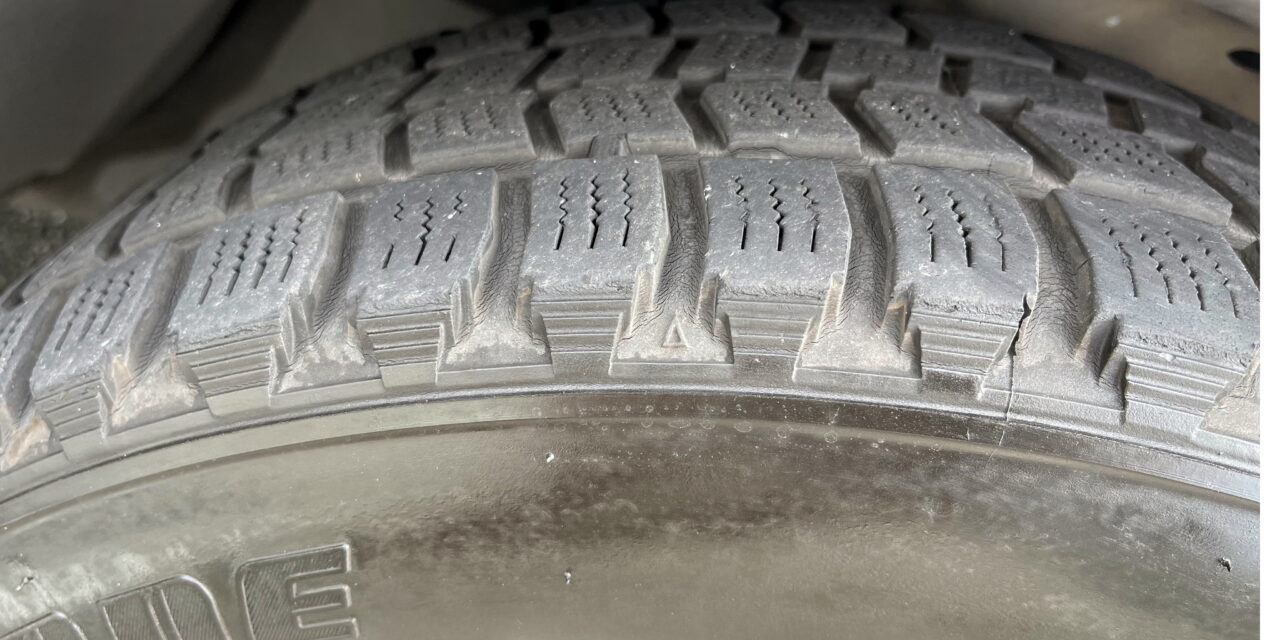
The ABI wording is clear that the tyres must be roadworthy. That means proper tread depth, no damage, and no mixing that leaves the car unstable or obviously compromised.
3. Whether the wheel changes too
This is the most important practical check. Many drivers buy a full winter wheel set for convenience. That can be fine, but it is also where a quick insurer check becomes sensible.
4. Personal-use private car policies
The ABI commitment applies to cars used for personal use under private or personal-use car insurance policies. Company cars, vans, specialist cover and business-use setups may not follow the same script.
Do winter tyres increase your premium?
Usually, not if you stay within the kind of setup described above. The ABI’s January 2025 commitment says the named insurers do not require an additional premium in those circumstances.
But drivers should not turn that into a universal promise. The same ABI document says some insurers may require you to contact them if you choose to fit winter tyres. That does not automatically mean a higher premium. It does mean assumptions are risky when your own insurer’s policy wording says something more specific.
If you want the safest route, send a message through your insurer account or ask the question in writing, especially if you are changing wheel size or buying a separate winter wheel package.
Are winter tyres legal in the UK?
Yes. Winter tyres are legal in the UK. They are not compulsory for most UK drivers, but they are lawful when correctly fitted and kept roadworthy.
Another point that catches people out is the idea that there is a blanket UK ten-year tyre law. There is not for ordinary private cars. GOV.UK guidance on tyre age restrictions covers goods vehicles, buses, coaches and some minibuses on specified axles. It is not a general ban on older tyres for every private car on the road.
That does not mean tyre age is irrelevant on a car. It just means drivers should not confuse a heavy-vehicle rule with the law for normal private cars. Age, condition and cracking still matter even when a specific age ban does not apply to your hatchback or SUV.
When winter tyres are worth considering
They make the most sense for drivers who regularly face cold early starts, untreated rural roads, high ground, or repeated trips in temperatures below about 7C. Admiral’s guidance says standard summer tyres lose flexibility below that point, while winter tyres are designed to keep working in colder conditions.
That does not mean every UK driver needs them. If your car spends most of its life on urban roads and you avoid driving in snow or ice, all-season tyres may be the more practical compromise. But for drivers who genuinely use the car in cold-weather conditions, the extra grip can be worth far more than the admin.
The mistakes most likely to cause trouble
If you want the insurance and safety side to stay simple, avoid these common errors:
- fitting only two winter tyres instead of four
- choosing a non-approved size because it was cheap or available quickly
- swapping to a different wheel setup without checking the policy wording
- assuming a forum answer applies to every insurer
- forgetting to keep proof of what was fitted
That last point is underrated. Keep the invoice or fitting paperwork. If a claim ever turns into a dispute about specification, paperwork is far more useful than a verbal explanation.
A sensible pre-winter checklist
Before fitting winter tyres, run through this quick list:
- Check your handbook or manufacturer-approved tyre sizes.
- Confirm the correct load and speed ratings.
- Decide whether you are changing only tyres or a full wheel set.
- Read your insurer’s wording on modifications and wheel changes.
- Ask the insurer if anything about the wheel package is changing.
- Keep the receipt and fitting details.
- Replace all four if you are making the seasonal switch.
The bottom line
For most UK private motorists, winter tyres are not the insurance minefield they are often made out to be. Current ABI guidance points the same way most real-world insurer advice does: if the tyres match the manufacturer’s specification and stay roadworthy, an extra premium is usually not the issue drivers fear.
The part worth slowing down for is the wheel setup. If you are changing more than the rubber, ask first. That two-minute check is much cheaper than finding out after a claim that your insurer wanted the change declared.
If you want the simple version, it is this: winter tyres themselves are usually fine, but wheel changes are where you should stop guessing.