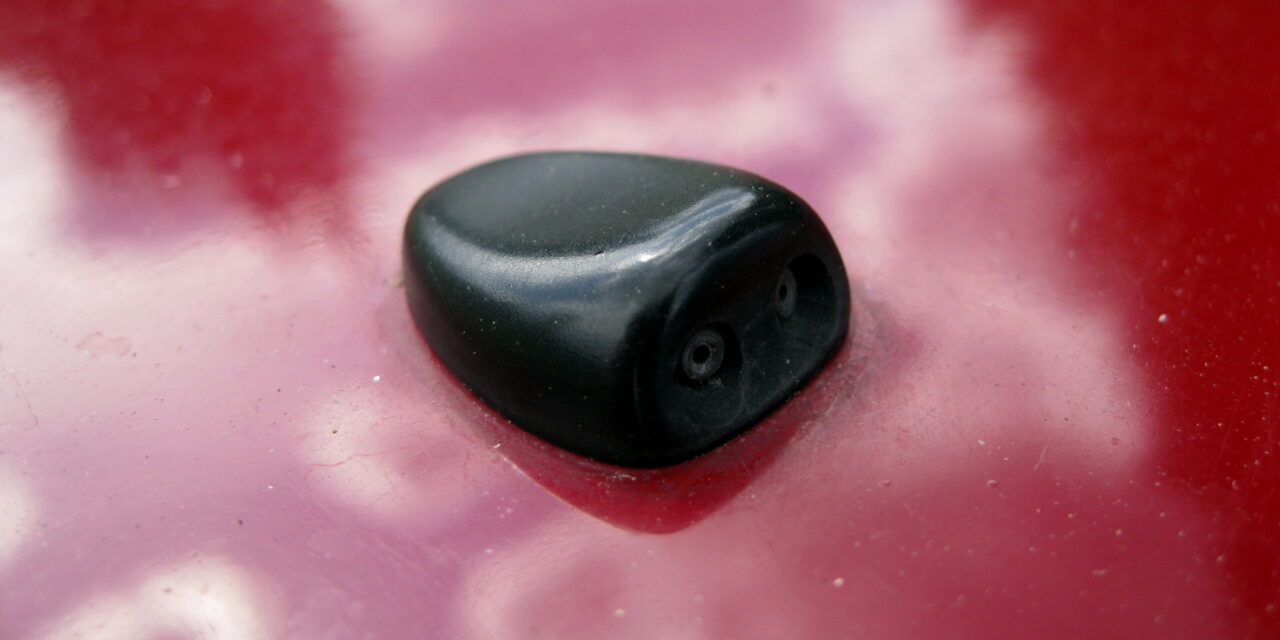
A windscreen washer that suddenly produces nothing, a weak dribble or one jet that fires into the roof is more than an irritation. On a wet or salty road, it can leave the driver unable to clear the glass properly. It is also an MOT issue: the official inspection manual says washers must supply enough fluid for the wipers to clear the windscreen effectively. A washer that does not work, or does not provide enough fluid, is a major defect.
The good news is that many washer faults are simple. Start with the easiest checks, keep the paintwork protected from spilt screenwash, and do not keep holding the stalk if the pump is running dry.
Start with the reservoir, not the jets
Open the bonnet and find the screenwash filler cap, usually marked with a windscreen symbol. Do not assume the bottle is full because you topped it up recently: reservoirs can be surprisingly large, and a leak may have emptied it. Fill it with a proper screenwash mixed to the concentration on its label. In winter, use a mix with frost protection suitable for the temperatures where the car is parked. Plain water can freeze in the bottle, pipes or jets, and it does not clean oily road film as well.
Try the washers again. If they now work normally, the problem was simply low fluid. Look for a wet patch under the front of the car or around the reservoir over the next day or two, because a recurring empty bottle suggests a leak.
Listen for the washer pump
With the ignition switched on, ask someone to operate the front washers while you stand near the reservoir with the bonnet open. On many cars you can hear a short electric whirr.
- You hear a pump but no fluid reaches the glass: think blockage, a detached pipe, frozen fluid or a blocked jet.
- You hear a pump and get a weak, uneven spray: start with the jets and check that the bottle is properly filled.
- There is no pump sound at all: check the relevant fuse using the owner’s manual. If the fuse is sound, the pump, wiring, stalk switch or a connector may need diagnosis.
Do not fit a higher-rated fuse to see what happens. Fuses protect the wiring; use only the specified rating. If a replacement fuse fails again, stop trying and book an auto electrician or garage.
Clear blocked washer jets gently
Road grime, wax residue and mineral deposits can partly block a jet. First wipe the jet area with a clean, damp cloth. If the spray is still distorted, use a purpose-made jet-cleaning tool or a very fine pin with a light touch to dislodge debris at the opening. Do not push a pin deeply into the nozzle or force the hole wider. That can damage the jet and turn a neat fan spray into an uncontrollable stream.
Then run the washers for a few seconds to flush loosened material through. If only one side is affected, a blocked nozzle or a local hose problem is more likely than a failed pump. If both sides are weak, work back towards the bottle.
Modern cars may use heated, fan-pattern or carefully aimed jets. If a jet is physically damaged, replacement is usually a better answer than aggressive cleaning. Use the correct part for the vehicle registration or VIN, especially where the bonnet trim or washer-heating system differs between versions.
Check for a loose or split hose
The washer pipe normally runs from the reservoir, through the engine bay and often along the underside of the bonnet to each jet. A hose can come loose after bonnet work, become brittle with age or split at a join. If the pump can be heard, look for fluid escaping under the bonnet while the system is operated. Keep fingers, clothing and tools clear of belts, fans and hot parts.
A wet patch near a connector is useful evidence, but avoid guessing at a repair with tape on a pressurised section. A garage can usually refit a loose line or replace a damaged connector quickly. If the leak is behind trim or low down by the reservoir, access may be less straightforward.
When cold weather is the real culprit
If the fault appeared after a frost and there is fluid in the reservoir, the screenwash may be frozen. Do not pour boiling water over the windscreen or into the bottle: rapid temperature changes can damage glass, and hot water is not a cure for frozen pipes. Move the car to a warmer place if possible and allow it to thaw naturally. Once it works, dilute and refill with correctly mixed winter screenwash, following the product instructions.
If only the rear washer has stopped, the rear pipe can be the issue. Some cars route it through the tailgate or hinge area, where repeated movement can stress a pipe. Others have a separate route or valve for the rear screen. A front system that works does not prove the rear plumbing is sound.
A quick MOT and safety check
Do this before an MOT, a long journey or a spell of winter commuting:
- Fill the reservoir with suitable screenwash.
- Operate the front washers and make sure fluid reaches the swept area of the glass.
- Check that the wipers actually clear the fluid rather than smearing it.
- Test the rear washer and wiper if fitted.
- Look under the bonnet for leaks and listen for an unusual pump noise.
The DVSA MOT inspection manual is clear that a washer system which is not working or cannot provide sufficient fluid to clear the windscreen is a major defect. A full reservoir alone is not enough if the jets are blocked or the fluid cannot reach the glass.
When to stop DIY and book it in
Book a garage if the pump is silent after the correct fuse has been checked, if a fuse repeatedly blows, if you can see a leak but cannot safely reach it, or if the washer still will not operate after the reservoir and jets have been dealt with. Tell the garage whether the front, rear or both washers are affected and whether you can hear the pump. That small detail can cut down diagnostic time.
Until it is fixed, avoid driving when the screen cannot be kept clear. Wipers moving across a dry, dirty windscreen can smear the view, and a washer fault can become a real visibility problem the moment traffic spray hits the glass.