An MOT test itself normally takes around 45 minutes to an hour. That is the testing time, not necessarily the whole appointment. Allow longer if the test station is busy, the car needs a re-test, or a fault is found that you want the garage to repair on the day.
For a straightforward pass, many drivers can drop the car off and collect it within an hour or two. If you need the car for work, school runs or a journey that day, book it early and ask the station whether it runs a while-you-wait service. It is also sensible to have a back-up plan: an MOT can uncover a defect that makes driving home a bad idea or, in some cases, illegal.
How much time should you allow?
- Clean pass: usually allow one to two hours from arrival to collection.
- Pass with advisories: broadly the same, unless you ask the garage to quote for work while the car is there.
- Failure needing a simple repair: potentially a few hours, depending on parts, labour and the station’s workload.
- Failure needing diagnosis or parts: expect to leave the car and agree the next step after receiving a written estimate.
Do not treat these as guarantees. An MOT is a prescribed inspection, but a garage cannot predict in advance whether seized fixings, unavailable parts or a deeper fault will turn a short booking into a longer job.
What happens during the MOT?
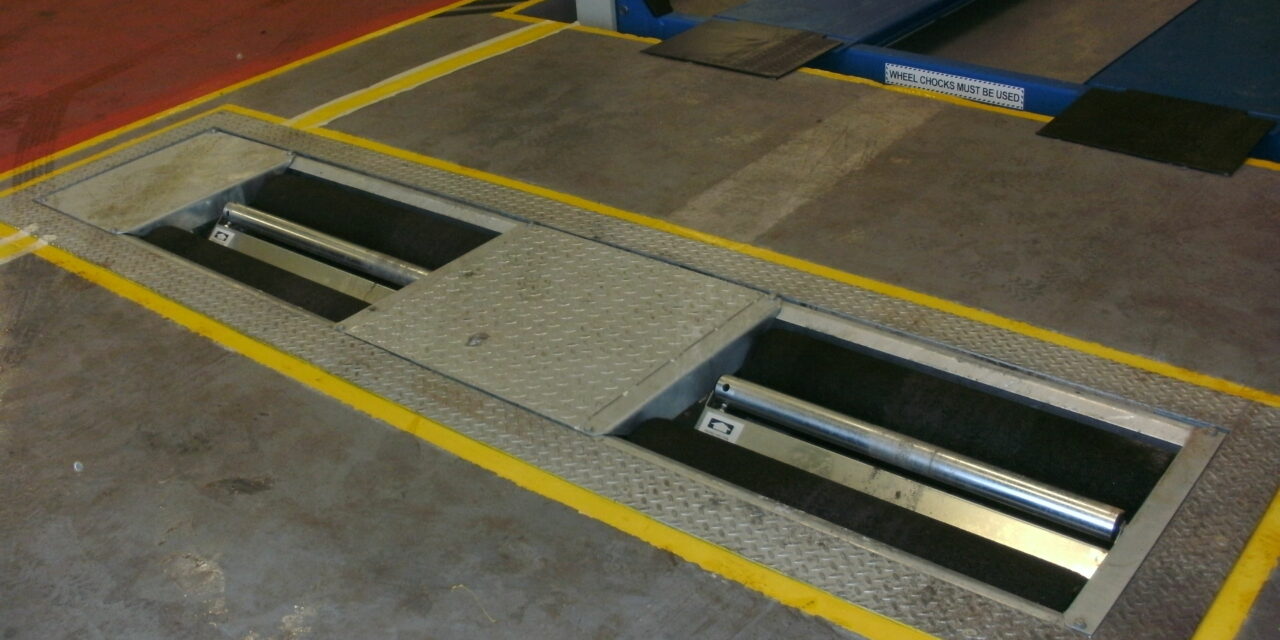
An MOT is a road-safety and environmental inspection, not a full service. The tester checks the relevant condition and operation of items including lights, steering, brakes, tyres and wheels, seat belts, wipers, mirrors, emissions equipment and number plates. They will not strip the car down, and passing an MOT does not prove that every mechanical component is healthy.
That distinction matters when planning time and money. If a tester reports an advisory, it is not a pass certificate for ignoring the item. It means the vehicle passed the required standard at the time, while the recorded issue may need attention before the next test. Ask the station to explain what they saw and how urgent it is.
For the official scope of the test and current rules, see GOV.UK’s MOT guidance.
Before you leave home: five minutes that can save an hour
There are a few simple checks worth making before the appointment. They cannot replace an MOT, but they can prevent an avoidable failure or a wasted trip.
- Check that every exterior light works, including brake lights, indicators, number-plate lamps and rear fog lamp where fitted.
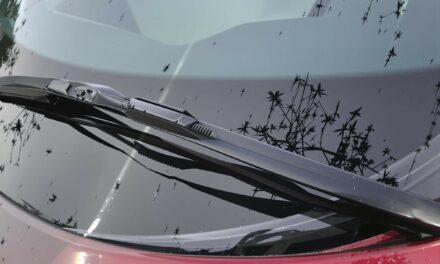
- Make sure the windscreen wipers clear the screen and the washers have fluid. Fill the screenwash reservoir if it is low.
- Look at the tyres for obvious damage, exposed cords and very low tread. Check pressures against the vehicle placard or handbook.
- Clear excessive clutter from the boot and cabin so belts, seats and warning equipment can be checked safely.
- Bring the locking-wheel-nut key if the car has locking wheel nuts. The tester may not need it, but a repair or tyre-related follow-up could.
If a warning light is on, do not assume the MOT will identify and fix the cause. Tell the garage what you have noticed, including when it appears and whether the car drives differently. Diagnosis is separate work and should be agreed separately.
What a pass, advisory and fail mean for your day
If the car passes, the result is recorded in the MOT database. You can ask for a printed certificate, but you do not need one to prove a current pass. Keep the advisory sheet or electronic result and use it to plan maintenance rather than waiting for next year’s test.
A failure is recorded too. A vehicle fails for major or dangerous defects. The important practical question is whether you can drive it away. GOV.UK says you can take it away only if its existing MOT remains valid and no dangerous defects were listed. Even then, it must be roadworthy at all times.
Do not let an old certificate give false reassurance. Driving a vehicle with a dangerous MOT defect can carry a fine of up to £2,500, three penalty points and a possible driving ban. If the result is dangerous, arrange repair or recovery rather than trying to squeeze in another journey.
Will a repair be done while you wait?
Sometimes. A blown bulb, worn wiper blade or a straightforward adjustment may be quick if the garage has the part and capacity. Brakes, suspension, tyres, corrosion, emissions faults and electrical diagnosis are a different proposition. The right answer is not simply to authorise work because the car is already on the ramp.
Ask for a written estimate that separates diagnosis, parts, labour, VAT and any re-test charge. Confirm which faults caused the failure, which are advisories and whether the garage needs your approval before starting additional work. If the car is not safe to drive, ask whether it can stay on site and what collection or recovery arrangements are available.
What about a re-test?
Re-test rules and charges depend on where repairs are completed and when the car returns, so ask before authorising work. A garage may be able to re-test the car after it has repaired it, but you should still confirm the timescale, the cost and whether the original test station needs to see the vehicle again.
Use the official MOT history service to check the recorded result, expiry date and previous defects. It is useful after any test, particularly if you want a second opinion on repairs or are budgeting for advisories.
Book early, but not too early
For most cars in Great Britain, the first MOT is due by the third anniversary of registration and then annually. You can have the test carried out up to a month minus a day before expiry and keep the same renewal date, provided the rules apply to your vehicle. Booking in that window gives you time to deal with repairs without turning an expiry date into an emergency.
The maximum MOT fee for a car is currently £54.85, though a station may charge less. That price is for the test, not repairs, diagnosis or servicing. Check the current GOV.UK fee table if you are comparing quotes.
The sensible MOT-day plan
Book a morning slot, arrive with enough fuel for any required emissions checks and leave contact details the garage will actually be able to use. Agree in advance whether you want a call before any paid work begins. If the test is clean, you have lost little more than an hour. If it reveals a problem, you still have time to make a considered repair decision rather than authorising the first price under deadline pressure.