If your MOT has expired, the answer is usually simple: no, you normally cannot tax the car until it has a valid MOT again.
For most cars in Great Britain, the DVLA checks the MOT record as part of the vehicle tax process. If the car needs an MOT and does not have one, the tax application is usually stopped there and then.
That is the bit many drivers only discover when they try to get a newly bought car, a long-parked car or a car that has just come out of storage back on the road in a hurry.
There are a few important exceptions, and there is also a legal route to get the car to a test. But the order matters. In most cases it is:
- book the MOT
- get the car tested and repaired if needed
- tax it once the MOT is valid
Why the DVLA normally will not let you tax a car with no MOT
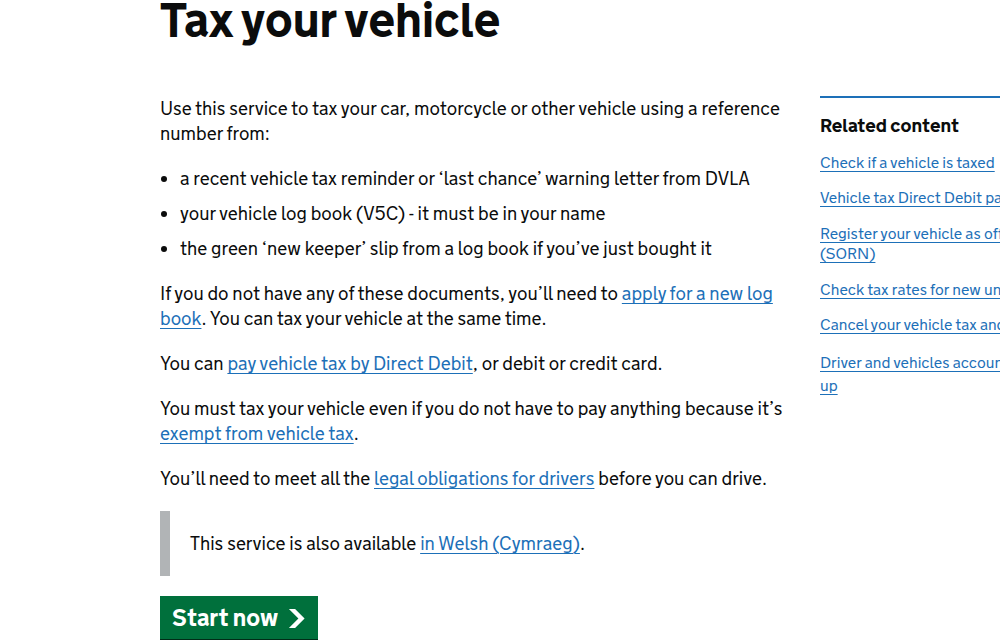
GOV.UK says you may need to show evidence of an MOT when taxing a vehicle, and that the MOT must be valid when the tax starts. In practice, for most cars and vans in Great Britain, the tax system checks the MOT database automatically.
That means an expired MOT is not just a separate motoring problem. It usually blocks the tax step too.
This catches people out because tax, insurance and MOT are linked in real life even though they are different legal requirements. A car can be insured but untaxed. It can be taxed but still fail its MOT later. But if the vehicle needs an MOT and has no valid one, you will usually hit a wall when you try to tax it.
The main exception: vehicles that do not need an MOT
Some vehicles are exempt from MOT testing. GOV.UK lists the exempt classes, and the one most drivers recognise is the historic vehicle rule.
In broad terms, a vehicle can be MOT-exempt if it is more than 40 years old, is registered with DVLA as a vehicle of historic interest, and has not been substantially changed.
There are also other exempt vehicle types on the GOV.UK list.
That does not automatically mean the vehicle is tax-free, and it does not mean you can ignore roadworthiness. If your vehicle is MOT-exempt, it still has to be safe to use on the road, and you still need to tax it unless it also falls into a tax-exempt class.
So the real exception is not "I can tax any car without an MOT". It is "I can tax a vehicle that does not legally need an MOT".
What to do if the MOT has expired and you need the car back on the road
For most modern cars, the cleanest route is:
1. Keep it off the road until the test
If you are not using the car, it should be off the public road. GOV.UK says a SORN vehicle must not be used or kept on a public road.
If the car has been sitting for a while, that usually means keeping it on a driveway, in a garage or on private land until the appointment.
2. Book a pre-arranged MOT
If the MOT has run out, GOV.UK says the normal exceptions are to drive the vehicle:
- to or from somewhere to be repaired
- to a pre-arranged MOT test
That exception is useful, but it is narrower than many people think. It is not a general permission to drive an untaxed, untested car around for errands on the same day.
If you want the fuller rule on that point, Motoring Mojo has already covered it here: Can you drive to an MOT without tax or insurance?
3. Make sure insurance is in place
The MOT exception does not wipe out the insurance requirement. GOV.UK is clear that you must have motor insurance if you use a vehicle on roads and in public places.
So if you are driving to a booked test, the safer summary is this:
- a pre-booked MOT can create a narrow MOT exemption for that journey
- it does not remove the need for insurance
- it does not make an unsafe car legal to drive
If the car is plainly dangerous, driving it to the test is a bad idea even if you have an appointment.
4. Tax it once the MOT is valid
Once the car passes and the MOT record is live, you can usually go back and tax it online straight away.
If the database has not updated yet, GOV.UK says you might need evidence of the MOT, such as a screenshot of the MOT history or your certificate, if you are taxing the vehicle at a Post Office.
That is a useful detail if you are trying to get everything sorted on the same day.
Can you tax the car first and then get the MOT later?
Normally, no.
That is the sequence many drivers hope will work, especially after buying a cheap used car or reviving one that has been off the road. But for a vehicle that needs an MOT, the usual order is the other way round.
You get the MOT first. Then you tax it.
If you try to do it the other way round, the MOT requirement is likely to stop the tax application before it goes through.
What if the car fails its MOT?
If it fails, you still cannot solve the problem by taxing it anyway and dealing with the test later.
You need to look at the failure result and the defects recorded.
This matters because a car that has failed with a dangerous defect must not be driven until it is repaired. That is a very different situation from a car that has a less serious failure and is being moved directly for repairs under the allowed exception.
In other words, once the test result lands, the safest next step depends on what the tester has actually recorded, not on what you had planned to do that afternoon.
The mistakes that usually cost drivers time
Assuming insurance is enough
It is not. Insurance does not replace tax, and it does not override MOT rules.
Assuming a booking confirmation means unlimited legal use
It does not. The exemption is for specific journeys linked to the test or repairs.
Forgetting the SORN issue
If the vehicle is off the road, SORN is often the right holding position until the car is ready to return legally.
Mixing up MOT exemption with tax exemption
A classic car may be MOT-exempt, tax-exempt, both or neither, depending on its exact status and how it is registered. Drivers often assume those rules are the same. They are not.
Buying a used car and planning to sort the MOT later
If the car has no valid MOT, work out the recovery plan before money changes hands. The legal route home may be much narrower than the seller suggests.
A simple rule to remember
For most everyday cars in the UK, think of it like this:
No valid MOT usually means no tax.
The practical detail to remember is that MOT rules and processes differ in Northern Ireland, but the same broad lesson still applies: do not assume you can tax first and sort the test later.
The exceptions are mostly about vehicles that do not legally need an MOT, or the narrow right to travel to a booked test or necessary repairs.
If you are dealing with a modern car whose MOT has expired, the safest order is still the boring one:
- keep it off the road
- book the MOT
- insure it properly
- get it tested
- tax it once the MOT is valid
That approach is less dramatic, but it is the one least likely to end with a wasted journey, a failed tax attempt or a conversation you did not want with the police.
Quick FAQ
Can I tax a car online without an MOT?
Usually not, if the vehicle needs an MOT. The DVLA system normally checks the MOT record as part of the taxing process.
Can I drive to an MOT if the car is untaxed?
There is a narrow legal exception for driving to a pre-arranged MOT and, in some cases, to or from repairs. But you still need insurance, and the car still needs to be roadworthy enough for that trip.
Can I tax a car that is MOT-exempt?
Yes, if it is genuinely exempt and meets the relevant rules. But MOT exemption does not automatically mean the car is tax-exempt.
What should I do if the MOT has just expired?
Keep the car off the public road, arrange the MOT, and plan to tax it after the vehicle has a valid MOT again.