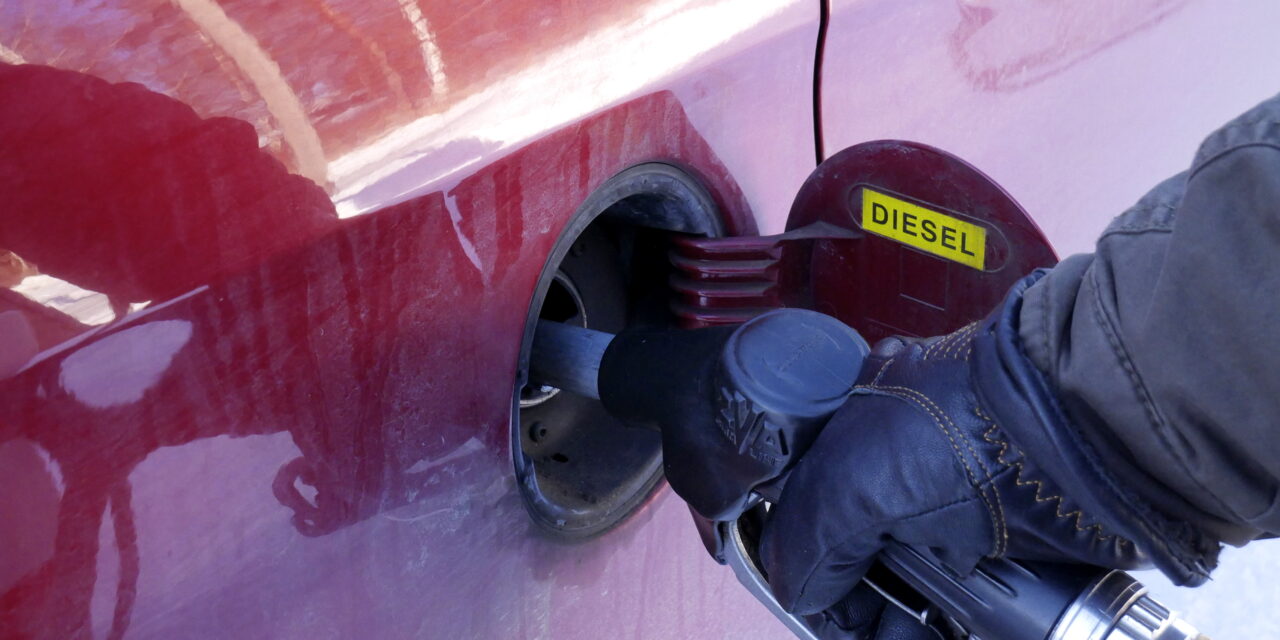
If you have put the wrong fuel in your car, do not turn the ignition on, press the start button or try to drive it away. Tell the forecourt attendant, move the car only if it can be done safely without starting it, and arrange a proper fuel drain. The cheaper decision is usually the one made in the first few minutes.
Misfuelling is easy to do: a hired or newly bought car may use a different fuel from your usual one, and the mistake often becomes clear only after the nozzle is back on the pump. It is not a moment for panic or for internet remedies. Do not top the tank up to “dilute” the wrong fuel, and do not start the engine to see whether it feels normal.
What to do immediately at the pump
- Stop fuelling. Put the nozzle back and do not add the correct fuel on top.
- Keep the engine off. Do not insert the key, switch on the ignition or press the start button.
- Tell the forecourt staff. They can advise where the vehicle can wait and help manage the space safely.
- Call your breakdown provider or a reputable fuel-drain service. Give them the registration, fuel type, approximate amount added and confirm whether the engine has been started.
- Keep the receipt. It records the fuel and quantity, which is useful for the recovery operator and any insurance enquiry.
If the engine has not been started, the wrong fuel is normally still contained in the tank. That does not make it safe to drive, but it usually gives a technician a simpler job than a car in which contaminated fuel has already reached the pump, lines and engine.
Why petrol in a diesel is the mistake to take most seriously
Diesel fuel does more than provide energy: it also lubricates components in the high-pressure fuel system. Petrol does not provide the same lubrication. If a diesel engine is run on petrol-contaminated fuel, the risk is not just poor running. It can damage components that rely on the fuel for lubrication and spread contamination through the system.
That is why the advice is so conservative. Even a small amount is not a reason to gamble on a drive home or a quick trip to a garage. The right remedy depends on the vehicle and the amount involved, but it starts with preventing the engine from running and having the system assessed by someone equipped to drain it correctly.
What if you put diesel in a petrol car?
Diesel in a petrol car is often a different mechanical problem, but the first response is exactly the same: do not start it and do not drive it. Diesel is less volatile than petrol and a petrol engine is not designed to run on it. Starting the car can move the contaminated fuel beyond the tank and turn a straightforward drain into a more involved clean-up.
Do not assume this direction of mistake is harmless because the nozzle may have delivered only a small amount. The recovery operator needs the fuel type, quantity and whether the ignition or engine has been on before deciding the safe next step.
Does switching on the ignition count?
Tell the recovery operator exactly what happened. On many modern cars, switching on the ignition or pressing the start button without starting the engine can begin fuel-system activity. The precise behaviour varies by vehicle, so it is not useful to guess how far the fuel may have travelled.
If you have only unlocked the car or opened a door, do not assume the worst. Simply avoid any further attempts to start it and report the sequence honestly. A good operator will want the facts, not a perfect explanation.
Do not try these shortcuts
- Do not brim the tank with the correct fuel. Dilution is not a reliable repair and adds more fuel to remove.
- Do not drive gently to a garage. A short distance is still enough to circulate fuel.
- Do not siphon it yourself on the forecourt. Modern filler systems can make this difficult, and fuel handling brings fire, spill and environmental risks.
- Do not rely on a forum quantity threshold. The correct response depends on the car, the fuels involved and whether the system has been activated.
- Do not leave the car where it obstructs the pumps. Ask the attendant before moving it, and never push it into a traffic route.
If you have already driven the car
Pull over somewhere safe as soon as practical and switch the engine off. Do not continue merely because the car still seems to run normally. Call for recovery and explain that it has been driven, how far, and whether it has shown any warning lights, smoke, misfiring or loss of power.
On a motorway or high-speed road, personal safety comes first. Follow the Highway Code guidance for a breakdown or incident: aim for a place of relative safety if the car remains mobile, and do not attempt roadside repairs. If you are stopped in a live lane or cannot get out safely, remain belted in with the hazards on and call 999.
What a proper fuel-drain visit should cover
The exact work depends on the vehicle and when the mistake was noticed. The technician should first establish the fuel types, approximate quantity and whether the engine or ignition was used. If the car was not started, the work may be limited mainly to removing contaminated fuel from the tank and returning the system to the manufacturer-appropriate condition. If it has been run, further inspection and cleaning may be needed.
Ask the operator what has been drained, whether they found the engine had been started, and whether there is anything you should monitor afterwards. Keep the invoice with the receipt. It is useful evidence if you need to discuss a claim with your insurer, although cover for misfuelling varies by policy and should never be assumed.
How to make the next fill-up less error-prone
Most prevention is simple. Pause before lifting the nozzle, especially in a hire car, a work vehicle or a recently purchased used car. Read the label inside the filler flap and the pump label rather than relying on nozzle colour. If several people use the vehicle, make sure they know its fuel type. A fuel-type reminder near the filler can help, but it is a prompt, not a substitute for checking.
For diesel owners, the narrow diesel nozzle is a useful barrier but not an infallible one. For petrol owners, do not assume a nozzle that physically fits is automatically the right fuel. The few seconds spent checking are worth more than any clever fix after the fact.
The bottom line
Wrong fuel is a recovery problem, not a test of nerve. Stop, keep the car switched off, tell the forecourt staff and arrange a proper drain. If the engine has already run, stop safely and be clear with recovery about what happened. Acting early can limit the problem to the tank instead of the wider fuel system.