Car-hire excess insurance is one of the easiest add-ons to accept in a hurry. You have a queue behind you, a card in your hand and a counter agent warning that one scrape could cost hundreds or thousands of pounds. That does not make the cover bad. It does mean you should understand exactly what it changes before paying for it.
The useful distinction is this: the rental agreement sets the damage excess and the security deposit; an excess policy may reduce the risk you ultimately carry, but it may not change what the hire company blocks on your card. Read the paperwork before collection, not while the keys are being passed over.
1. Find the excess, not just the word ‘insured’
Collision damage waiver, theft protection and ‘basic cover’ are not interchangeable with zero excess. A booking can include cover for damage or theft while still leaving the hirer responsible for an excess. Look for a cash figure in the rental terms, and check whether there is a separate amount for theft.
Ask the supplier to point out the excess that applies to your particular car and country. Do not assume the figure advertised for one class of vehicle applies to all of them. Larger, premium and electric cars can have different terms.
2. Check how much will be held on your card
An excess and a pre-authorisation are related but not always identical. The rental company may place a hold for the excess, for fuel, or for both. That can matter more than the daily insurance price if the hold would leave too little available credit for the trip.
Before travelling, check the booking confirmation for the deposit amount, the card type accepted and whether the named main driver must present the card. A debit card can be accepted by some suppliers and refused by others, or accepted only with a different deposit. Take a screenshot or printout of the relevant terms, including the date you booked.
3. Understand the difference between the desk product and standalone cover
Cover sold by the rental company may reduce the excess at source. That can mean less, or no, charge from the rental company after a covered incident, depending on the option selected and its exclusions.
Standalone car-hire excess insurance commonly works differently. The rental company can still charge you under its agreement, then you claim the eligible amount back from the insurer. That can be a sensible route for frequent hirers, but it means you need enough available money or credit for the deposit and you need to keep the claim documents.
Do not compare policies by daily price alone. Compare the excess limit, countries covered, vehicle classes, length of hire and the actual exclusions. If a policy says it reimburses an excess, it is not automatically a substitute for every protection sold at the desk.
4. Read the exclusions people discover after the damage
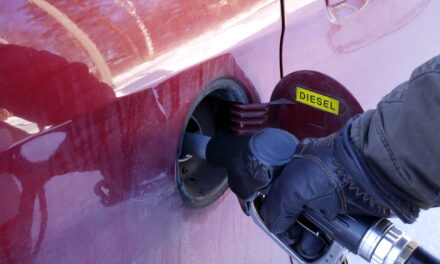
Wheels, tyres, glass, roof, underbody, keys, misfuelling and interior damage are common areas where cover differs. Some are included only by a higher-tier waiver; some are excluded or capped by standalone policies. A minor wheel scrape can be the exact sort of damage that turns a cheap-looking policy into a poor fit.
Also check the conduct conditions. Driving off-road, using an unauthorised driver, taking the car across a border without permission, or failing to follow the accident-reporting procedure can invalidate protection. If another person will drive, make sure they are named on the rental agreement before moving the car.
5. Plan for the evidence before you leave the car park
Walk around the vehicle with the rental agent where possible. Photograph every panel, wheel, windscreen and interior issue in good light, then make sure existing damage is marked on the condition report. Take a picture of the fuel level and mileage too. Repeat the process at return, especially if you are using an out-of-hours key drop.
If there is new damage, take clear photographs, note the time and location, and follow the rental company’s reporting instructions. Keep the rental agreement, condition reports, final invoice, payment-card evidence and any repair or incident paperwork. A reimbursement claim is much harder without the document showing what the hire company actually charged.
When paying for the desk cover makes sense
It can be worth paying more for the rental company’s excess-reduction product when simplicity matters more than getting the lowest headline price. Examples include a short trip where a large card hold would be awkward, a driver who does not want to fund a reimbursement claim, or a booking where the supplier’s terms make standalone cover a poor match.
It may be less compelling when you hire regularly, have compared a suitable annual policy, can comfortably meet the deposit and are willing to handle a claim if needed. There is no universal cheapest answer because the rental contract, destination and car all matter.
Do not rely on your own car insurance or travel policy without checking
Comprehensive insurance for your own car does not automatically insure a rental car, and travel insurance can have limits or exclusions. Check the certificate and policy wording rather than relying on a comparison-site summary. The government’s foreign travel insurance guidance also stresses the importance of checking what a policy covers before travel.
For a UK rental, read the rental terms just as carefully. For an overseas rental, factor in the local rules, cross-border permissions and the insurer’s territorial limits. If something is unclear, get the answer from the rental company or insurer in writing before you pay.
A 60-second car-hire insurance check
- What is the exact damage and theft excess for this car?
- How much money will be held on the payment card, and for how long?
- Does the product reduce the charge at source, or reimburse it later?
- Are tyres, wheels, glass, roof, underbody, keys and misfuelling included?
- Who may drive, where may the car go and what must happen after damage?
- What documents will be needed if you have to claim?
The best time to decide on car-hire excess insurance is before the booking becomes non-refundable and before the counter upsell starts. A clear answer to those six questions lets you buy the cover you actually need, or decline it with confidence.