
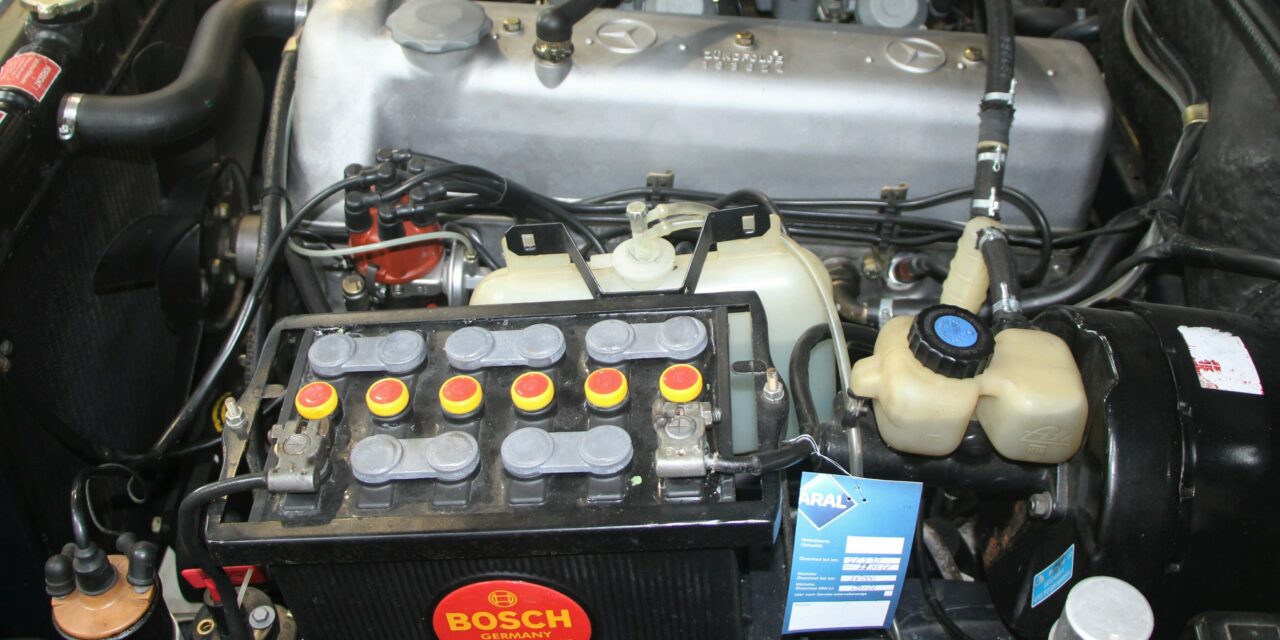
If your car battery keeps going flat, the battery itself may be the problem, but it is often not the only one. In the UK, repeated short trips, long periods of standing, extreme weather, poor terminal connections and charging faults are all common reasons a car that started fine last month suddenly lets you down on the drive.
The useful question is not just “Do I need a new battery?” It is “Why is the battery losing charge in the first place?” Get that wrong and you can pay for a replacement, then end up stranded again a week later.
This guide explains the most common causes, the quick checks worth doing at home, and when it is time to stop troubleshooting and book the car into a garage.
What usually causes a car battery to keep going flat?
RAC says a flat battery can be caused by extreme weather, battery age, repeated short journeys or a fault with the vehicle. The AA also lists lack of use, too many short journeys, faulty components, charging-system problems and poor electrical connections among the common causes. That lines up with what many UK drivers actually see in day-to-day use.
1. The battery is simply old
Even a healthy battery is a wear item. The AA says a new car battery typically lasts between three and five years, with lifespan affected by driving habits and climate. If yours is already a few years old, has been deeply discharged before, or struggles whenever the temperature drops, age is a serious suspect.
This is especially true if the car still starts after a long run or overnight charge, then goes flat again after a day or two. That pattern often points to a battery that no longer holds charge properly.
2. The car only does short journeys
This catches a lot of drivers out. Lots of cold starts, school runs and supermarket hops can take more out of the battery than the alternator puts back in. The AA specifically warns that too many short journeys are a common cause of flat batteries. RAC makes the same point.
If your driving is mostly ten-minute trips with heaters, lights, heated screens and phone charging all running, the battery may never fully recover. That is one reason cars often start playing up in winter even when nothing has technically “failed”.
3. The car sits unused for days or weeks
Modern cars keep drawing a small amount of power when parked. Alarm systems, keyless entry modules, trackers, telematics and control units all nibble away in the background. Leave the car standing for long enough and a marginal battery can fall below starting strength.
That does not always mean there is an abnormal drain. Sometimes it simply means the battery is ageing and the car is not being used enough to keep it topped up.
4. Something is draining power when the engine is off
Interior lights, a boot light that stays on, a dashcam hard-wired badly, an aftermarket stereo, a faulty tracker or a control module that will not go to sleep can all flatten a battery.
If the battery goes flat after the car stands for a short time, but seems fine while you are using it daily, an electrical drain becomes more likely. This is the point where a proper parasitic-draw test by a garage can save a lot of guesswork.
5. The alternator or charging system is not doing its job
A battery can also be innocent. If the charging system is weak, the car may be running off the battery more than it should, slowly emptying it every time you drive. RAC notes that if a car battery keeps dying or the electrical systems act up, a faulty alternator could be the reason.
Clues include dimming lights, warning messages, sluggish cranking after a journey, or a battery warning light. If that warning lamp is on while driving, read our battery warning light guide before carrying on.
6. The terminals are loose or corroded
You do not need a major electrical fault for starting problems. Loose battery clamps or crusty, corroded terminals can interrupt charging and cranking enough to mimic a dying battery. The AA also flags poor electrical connections as a common contributor.
This is one of the few checks a careful owner can do without special kit. If the terminals look furry, greenish or white, or if a clamp can move by hand, sort that before you spend money elsewhere.
7. Heat and cold are exposing a weak battery
Halfords notes that both very high and very low temperatures can affect battery health. Cold weather makes it harder for a battery to deliver power. Heat can damage cells and reduce how well the battery holds charge. A battery that seemed acceptable in mild weather can suddenly look finished when conditions turn.
That is why many drivers get their first warning on the first cold morning of the year.
8. Your start-stop car has the wrong battery type
On many newer cars, especially those with stop-start, battery specification matters more than people realise. VARTA notes that EFB and AGM batteries are used on start-stop vehicles because they cope better with repeated charge and discharge cycles, and AGM batteries in particular handle short journeys and frequent start-stop phases better than conventional batteries.
In plain English, fitting the cheapest battery that physically fits is not always a bargain. If your car was designed for AGM or EFB, downgrading can cause weak performance, repeated low-charge issues and stop-start problems.
How to narrow the problem down before booking a garage
Check the battery age
If the battery is already four or five years old, do not overcomplicate things. Age alone may explain a lot.
Think about your driving pattern
Mostly short trips? Long periods parked? A car used once a week for errands is far more likely to suffer than one doing regular motorway miles.
Look for obvious drains
Check interior lights, boot lights, dashcams, USB accessories and aftermarket electronics. If the battery only dies after the car is parked, suspect an off-engine drain.
Inspect the terminals
If they are visibly corroded or loose, that needs attention before any battery verdict is trustworthy.
Notice what happens after a proper charge
If the battery is fully charged and the car still struggles again very quickly, the issue is more likely to be battery condition, a drain, or a charging fault than simple lack of use.
When should you replace the battery?
Replace it if testing shows it cannot hold charge, if it is clearly near the end of its life, or if it has been deeply flattened enough times that reliability has gone. But do not replace it blindly if you also have signs of an alternator fault or an electrical drain.
If you are already pricing up a replacement, our guide to car battery replacement costs in the UK will help you judge whether a quote is reasonable, especially on start-stop cars where AGM batteries cost more.
Can a charger solve the problem?
Sometimes, yes. If the battery is sound and the real issue is lack of use, a smart charger or maintainer can make perfect sense. It is often the right answer for second cars, weekend cars and vehicles that sit for long stretches.
It is not a real fix for a failing battery or a charging-system fault, though. If the battery only survives because it is constantly being rescued by a charger, you have not solved the underlying problem.
When it is time to stop guessing
Book a garage if:
- the battery keeps going flat after a full charge
- the battery warning light comes on while driving
- the car has repeated starting trouble despite regular use
- you suspect a parasitic drain from an accessory or module
- the vehicle has stop-start and the wrong battery may have been fitted previously
Ask for a battery health test and a charging-system check. If the problem happens while parked, ask whether they can test for parasitic draw as well. That is a much better route than throwing parts at the car one by one.
The bottom line
If your car battery keeps going flat, do not assume the answer is always “buy another battery”. In the UK, the most common culprits are old age, repeated short journeys, long periods of standing, poor connections, hidden electrical drains and charging faults. On start-stop cars, the correct battery type matters too.
The smartest move is to match the symptom pattern to the cause. A tired battery and a car used for short urban trips is one story. A fairly new battery that dies after being parked for two days is another. Get that distinction right and you are far more likely to fix the problem first time.





Trackbacks/Pingbacks