
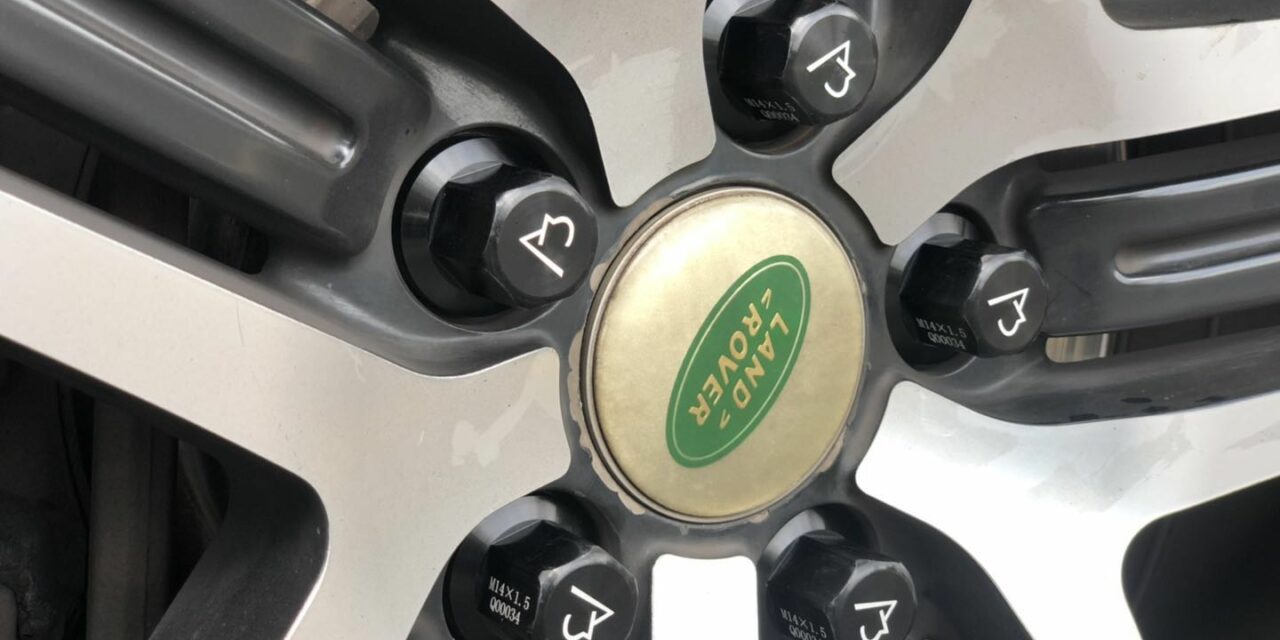
If your car has a missing wheel nut, wheel bolt or broken stud, do not assume it will scrape through the MOT. For cars and passenger vehicles in the UK, one missing or loose fastener on a wheel is already enough for a major defect, and more than one missing or loose fastener on the same wheel can be marked dangerous. In plain English: fix it before test day.
Quick answer
A missing wheel nut can fail an MOT. The tester is checking whether the wheel is securely attached, not whether the car still has "most" of its fasteners. If one wheel nut, bolt or stud is missing or loose, that is normally a major defect. If more than one is missing or loose on the same wheel, it can be classed as dangerous.
That also means this is not something to leave until next month. Even if the car still feels drivable, a missing fastener increases the load on the remaining ones and can let the wheel work loose over time.
What MOT testers actually look for
The MOT inspection manual for cars and passenger vehicles focuses on wheel security. The tester is not interested in whether the wheel nuts match cosmetically or whether you still have the original locking nut. They are checking for things that make the wheel unsafe, including:
- missing wheel nuts or bolts
- loose wheel nuts or bolts
- missing or damaged studs
- damage that means the wheel is not securely mounted
So if your locking wheel nut is gone but it has been replaced with the correct standard fastener and the wheel is secure, the issue is not the lack of a locking nut itself. The problem is when the wheel is missing a proper securing fastener or the stud threads are damaged.
One missing wheel nut vs more than one
This is the bit most owners really want to know.
One missing wheel nut
For most cars, one missing or loose wheel nut, bolt or stud is enough for a major MOT defect. That means the vehicle fails the test.
Why so strict? Because the wheel has been designed to spread load across all of its fastening points. Remove one and the others have to do more work. On a short local trip you might not notice anything obvious, but under braking, cornering or pothole impacts the stress goes up quickly.
More than one missing on the same wheel
If more than one nut, bolt or stud is loose or missing on the same wheel, the defect can move up to dangerous. That tells you how seriously the MOT manual treats wheel security.
A dangerous defect means the vehicle should not be driven away except to a place of repair that is permitted by law. In practical terms, it is a stop-using-the-car problem, not a keep-an-eye-on-it problem.
What if the stud is broken rather than the nut missing?
The MOT logic is the same. A broken stud leaves the wheel with one fewer proper fixing point, so the tester will still judge the wheel on whether it is securely attached. If the stud has snapped flush with the hub, the nut cannot simply be tightened back on later; the broken stud needs to be replaced properly.
On some cars the repair is straightforward. On others, replacing a wheel stud can mean removing the brake disc or hub components to press the new stud in. Either way, this is worth fixing properly rather than improvising with thread repair tricks or hoping the remaining fasteners will cope.
Can you drive to the MOT station with one missing wheel nut?
This is where MOT rules and real-world safety overlap. The MOT tells you how the defect will be recorded during the test, but it is not a guide to what is sensible to keep driving with.
If a wheel nut is missing, the safest answer is simple: do not keep using the car until the correct nut, bolt or stud has been fitted and torqued properly.
If the missing fastener follows a puncture repair or wheel change, double-check that:
- the correct type of nut or bolt is being used for that wheel
- the seat shape matches the wheel properly
- the threads are not stripped
- the remaining fasteners are tightened to the manufacturer’s torque setting
If you are dealing with a damaged locking nut, our guide to locking wheel nut removal costs in the UK explains what you will usually pay to sort it properly.
Common causes of a missing wheel nut
A missing wheel nut rarely happens by magic. Usually there is a reason behind it, such as:
- a wheel was removed and one fastener was never refitted
- the wrong nut or bolt was used after aftermarket wheel work
- threads were damaged and the fastener would not tighten correctly
- the wheel was not torqued properly after tyre or brake work
- corrosion or previous damage weakened the stud
If you have recently had tyres fitted, brakes replaced or alloy wheels refurbished, it is worth checking every wheel rather than just the one with the obvious issue.
What to do before test day
If your MOT is coming up, this is one of the simplest fail points to catch early.
- Inspect every wheel visually. Count the nuts or bolts and make sure none are obviously missing.
- Look for damaged studs or shiny movement marks. These can suggest a wheel has been working loose.
- Use the correct replacement hardware. Wheel fasteners are not all interchangeable. Seat design, thread pitch and shank length matter.
- Torque them properly. Over-tightening can damage threads; under-tightening can let the wheel loosen again.
- Get it checked if there is any doubt. A tyre shop or garage can usually confirm very quickly whether the wheel and hub are safe.
The same common-sense approach helps with other easy-to-overlook MOT issues too, such as sharp edges on bodywork or a loose battery clamp.
Does a missing locking wheel nut fail the MOT on its own?
Not automatically. The MOT is not testing anti-theft hardware. If the wheel is still secured correctly with the proper number of suitable fasteners, the absence of a locking nut by itself is not the point.
But if the locking nut has gone missing and nothing suitable has replaced it, that becomes a wheel security problem very quickly. In that case, yes, it is likely to fail because the wheel is missing a proper fastening point.
Final word
For UK MOT purposes, a missing wheel nut is not a minor advisory-type issue. One missing or loose fastener is normally a major fail; more than one on the same wheel can be dangerous. If you spot one missing, treat it as a repair-now job and make sure the wheel, stud and replacement hardware are all correct before the car goes back on the road.



Trackbacks/Pingbacks