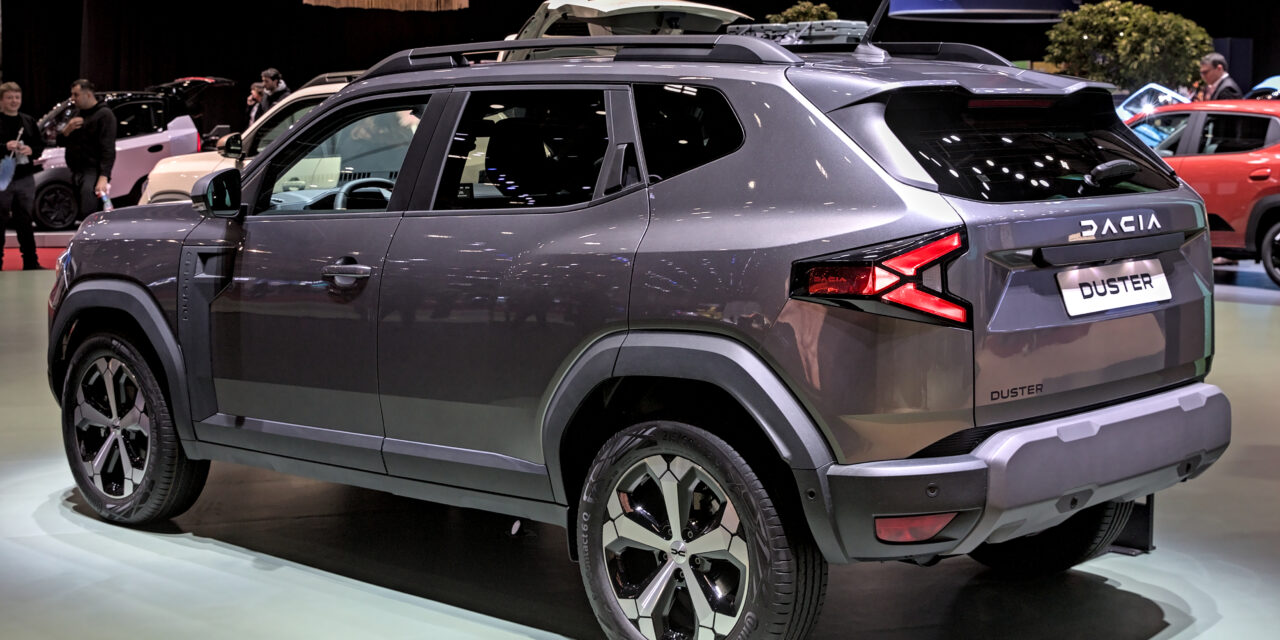
If you want a family SUV that does not punish your budget, the used Dacia Duster deserves a serious look. It has been one of Dacia’s biggest UK successes for years, and Warrantywise says the Duster accounts for almost two in five Dacia sales here, with more than 100,000 UK registrations over time. That matters because it means there is decent used supply, plenty of owner knowledge and no shortage of independent garages willing to work on one.
The catch is that the Duster only makes sense when you buy the right version. Some engines are much easier to live with than others, the equipment gap between trims is wider than many buyers expect, and a cheap car can stop looking cheap if it needs sorting straight away.
The short version
For most UK buyers, the sweet spot is a 1.3 TCe petrol Duster with a proper service record and mid-spec trim or better. If you do long motorway runs or tow regularly, the 1.5 Blue dCi can still make sense. If you are looking at an early naturally aspirated SCe 115 petrol, only buy it if price matters more than performance.
The Duster’s appeal is simple: good space, straightforward mechanicals, honest running costs and a raised driving position without the used prices attached to a Nissan Qashqai, Kia Sportage or Peugeot 3008. Auto Express found the Mk2 Duster easy to recommend for exactly that reason, and also noted that it often feels more comfortable than pricier rivals.
Which used Dacia Duster is the one to target?
If you are shopping in today’s market, most buyers will be looking at the second-generation Duster sold in the UK from 2018 to 2024. That is the version to focus on unless your budget drags you back into earlier first-generation cars.
According to Auto Express, the UK Mk2 range started with these engines:
- 1.6 SCe 115 petrol
- 1.5 Blue dCi 115 diesel
- 1.3 TCe 130 petrol
- 1.3 TCe 150 petrol
The line-up then changed over time. In 2019 the 1.0 TCe 100 replaced the SCe 115, and a Bi-Fuel petrol and LPG version arrived in 2020. In 2021 the Duster was facelifted, getting a fresher nose, an improved dashboard and infotainment updates, plus an automatic gearbox option with the TCe 150.
Best engine for most people
The 1.3 TCe 130 is the easy recommendation. Auto Express calls it the sweet spot for performance and economy, and that sounds right. It has enough shove for normal UK driving, does not feel strained on faster roads and avoids the sluggish feel that can make lower-powered versions seem hard work when fully loaded.
The 1.3 TCe 150 is also worth considering if the price gap is small, especially on newer facelifted cars. It is not a necessity, but it makes the Duster feel less budget-minded once you are joining fast traffic or carrying a family and luggage.
Best engine for high-mileage drivers
The 1.5 Blue dCi still has a case if your driving is mostly motorway miles. It is frugal, relaxed and was also the version Auto Express praised for its all-round ability. Just be more careful about service history, DPF use pattern and signs that the car has spent its life doing short trips.
Which version to be cautious about
The early 1.6 SCe 115 petrol is the one to approach with modest expectations. It is simple, but it is also leisurely. That does not make it a bad car, only one that needs to be very attractively priced before it becomes the sensible buy.
The 1.0 TCe 100 is usable, but if you carry passengers regularly or spend a lot of time on A-roads and motorways, the 1.3 TCe feels like money better spent.
Do not buy the wrong trim just because it is cheap
The Duster’s trim walk-up is more important than on many rivals. Some entry cars are genuinely sparse. Auto Express notes that the rare Access trim was ultra-basic, while Essential added the basics most people actually want.
That means it is usually smarter to buy a tidier, slightly better-equipped Duster than the absolute cheapest one on the forecourt. In broad terms, look for:
- air conditioning
- Bluetooth and usable infotainment
- rear parking camera or sensors if possible
- alloy wheels if you care about resale appeal
- cruise control if you do regular dual carriageway or motorway miles
Earlier Comfort trim cars, and facelifted cars with stronger equipment levels, are usually the ones private buyers will be happiest with. Unless the deal is exceptional, the most basic examples are not the ones to chase.
What to check before you buy a used Dacia Duster
1. Service history matters more than the badge
A Dacia can be excellent value, but only if it has been maintained properly. Check for consistent servicing rather than just a stamped book with big gaps. Auto Express says Dusters need servicing every 12 months or 18,000 miles, and turbocharged versions in particular deserve proof of regular oil changes.
If a seller is vague about servicing, skip it. The whole point of a Duster is low-stress ownership, and a badly maintained cheap SUV is the opposite of that.
2. Pay close attention to electrical niggles
Warrantywise’s reliability data is useful here because it highlights electrical faults as the Duster’s most regular repair request. That does not mean every used Duster is an electrical headache, but it does mean you should test everything rather than assuming simplicity equals perfection.
Before buying, check:
- infotainment response and screen glitches
- Bluetooth pairing
- central locking
- all windows and mirrors
- parking sensors and camera if fitted
- warning lights at startup and after the engine is running
A car with several small electrical faults is often the one that becomes irritating to own.
3. Listen for suspension knocks and feel for neglected wear
Budget SUVs often spend their lives on rough urban roads, carrying families, dogs, shopping and everything else. On a test drive, listen for front-end clunks over potholes and speed bumps, and check whether the car tracks straight under braking.
Also inspect tyre wear carefully. Uneven wear can point to poor alignment, tired suspension components or a car that has had a harder life than the seller admits.
4. Be sensible about turbo petrol and diesel health
With the 1.3 TCe and 1.5 Blue dCi, you want clean starting, smooth acceleration and no obvious smoke or hesitation. Warrantywise also says the Duster’s most expensive recorded repair request was a turbocharger failure, so do not ignore any whistle, lack of boost or evidence that oil changes have been stretched.
None of this is Duster-specific panic material. It is just the normal reality of buying a turbocharged used car. The difference is that the cheapest example on sale can quickly stop being cheap if you inherit deferred maintenance.
5. Check every recall has been dealt with
This is worth doing on any used car, but it is especially easy to overlook on value-focused SUVs where buyers are more concentrated on price and mileage. The GOV.UK recall checker shows Duster-related campaigns in different years covering issues such as an ignition key jamming in the start position, a left curtain airbag check and possible replacement, an incorrectly welded LPG tank on some vehicles, and a parking brake actuator risk on newer cars.
That does not make the Duster a problem car. It means you should ask for evidence that recall work has been completed, then verify it yourself using the registration or VIN.
6. Check the LPG setup properly on Bi-Fuel cars
A Bi-Fuel Duster can make sense for the right owner, but only if the system is healthy and you actually have convenient LPG access. Make sure it switches between fuels properly, idles cleanly and has no warning lights or rough running. If the seller seems unsure how the system works, that is not reassuring.
7. Look underneath if the car has done real SUV duties
Some Dusters lead a pampered suburban life. Others are used on farms, muddy tracks or towing duties because they are affordable and tougher-looking than most crossovers. Check the underside, exhaust, wheels and lower body trim for damage that suggests more than normal family-car use.
Is the Dacia Duster actually cheap to run?
Usually, yes, and that is the main reason to bother with one. Warrantywise puts the Duster’s average repair cost at about £685, which is low by SUV standards, and says the average age at repair is eight years at roughly 68,500 miles. That does not make it trouble-free, but it does support the Duster’s reputation as a relatively manageable used buy rather than a money pit.
Space is another part of the value story. Auto Express quotes 445 litres of boot space in 4×2 models, with up to 1,623 litres when the rear seats are folded, so the Duster still works as a genuine family car rather than just a cheap one.
There is also a useful reality check from Dacia’s own UK site. The latest new Duster starts from £21,845 in Expression trim. That matters because it puts a ceiling on what a used Duster should cost. If a late used example is creeping too close to new-car money, the numbers stop being quite so convincing.
Should you choose a used Dacia Duster over a Qashqai, Sportage or 3008?
If you want the nicest cabin, the quietest motorway manners or the strongest badge appeal, probably not. Those rivals generally feel more polished.
But if you care most about value, usable space and keeping your monthly outgoings under control, the Duster makes a very good argument for itself. It is the sort of car that feels sensible without being miserable. You give up some polish, but you usually keep the things that matter most.
Verdict
A used Dacia Duster is worth buying if you stay disciplined. Target the Mk2 car, favour the 1.3 TCe where possible, buy enough trim to avoid the bare-bones versions, and be much stricter about service history and electrical checks than the low asking price might tempt you to be.
Do that, and the Duster can be one of the smartest value SUV buys on the UK used market. Buy the cheapest one with patchy history just because it looks like a bargain, and you risk missing the whole point of the car.