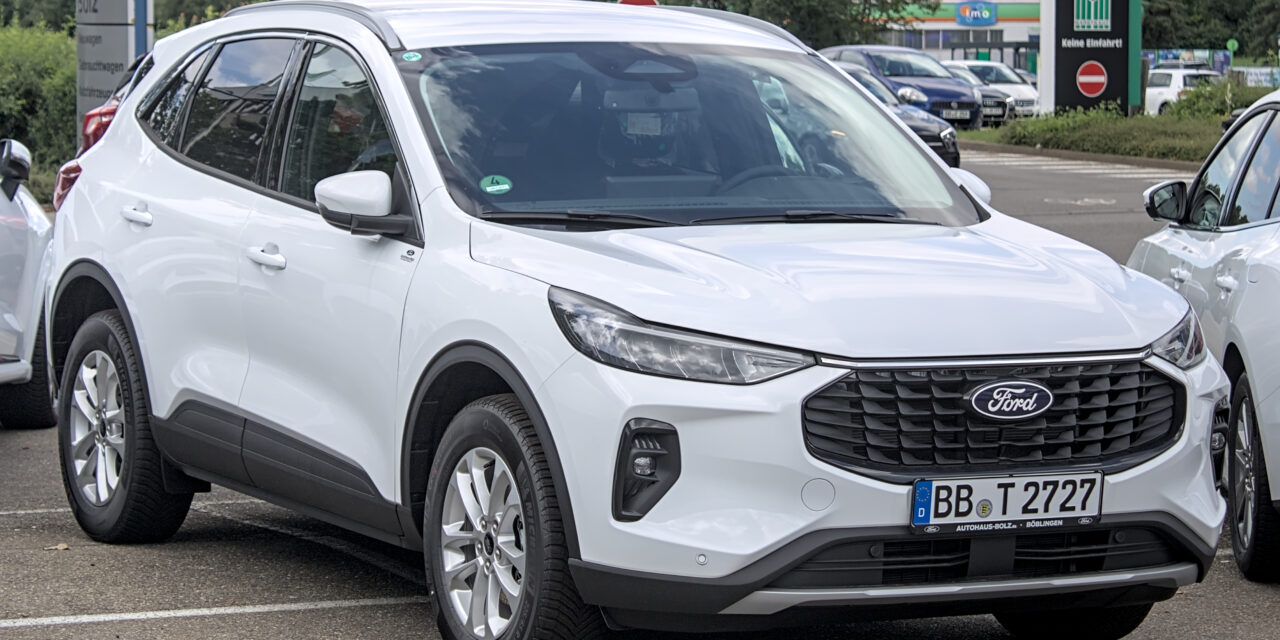
The Ford Kuga is one of those used family SUVs that makes sense for a lot of UK buyers, but not always for the same reasons.
Some shoppers want a roomy school-run car with a high driving position. Others want a motorway-friendly diesel tow car. Some are really shopping the newer plug-in hybrid because they like the idea of short electric commutes without giving up family-car space.
That is why a used Kuga is not a simple yes or no buy. The smart move is to work out which generation, engine and gearbox suit your life before you get distracted by trim badges and shiny dealer photos.
Done well, a Kuga can be a practical, comfortable and good-value used SUV. Done badly, you can end up with the wrong gearbox, the wrong fuel type and a version that looks right in the advert but makes less sense once you actually live with it.
The short version
- The newest shape Kuga, sold from 2020, is the easiest one to recommend for most families.
- If you are looking at a 2013 to 2019 car, pay close attention to the gearbox and service history before anything else.
- Honest John says the six-speed wet-clutch Getrag Powershift automatic needs fluid and filter changes every three years where fitted, and neglect is a common reason for failure.
- Honest John also favours the manual gearbox on the older Kuga and is not especially keen on the older EcoBoost petrol engines.
- On the current-shape car, the hybrid versions make the strongest case for many UK buyers, but a plug-in hybrid only really earns its keep if you will charge it regularly.
- Rear-seat flexibility is a real Kuga strength. Parkers and Honest John both highlight the sliding rear bench, but both also note that boot space is less impressive when those seats are pushed fully back.
Why the Kuga is worth shortlisting at all
The Kuga matters because it sits in a part of the used market where a lot of UK buyers land sooner or later.
It is big enough for family life, easy enough to drive every day and common enough that you can usually find a wide choice of ages, mileages and trims. The latest-shape car also improved the formula. Honest John describes the third-generation Kuga as one of the best family SUVs going, while Parkers says it is still a commendable crossover with strong hybrid options and generous rear-seat space.
That does not make every used Kuga a great buy. It just means there is a solid car underneath the advert if you choose carefully.
First, pick the right generation
Kuga Mk2, roughly 2013 to 2019
This is usually where value hunters start. Prices are easier to stomach than the newer shape, and there are plenty of diesels around.
If you do a lot of motorway miles, need to tow, or simply want a roomier SUV without paying current-shape money, this generation can still make sense.
But it is also the generation where you need to be fussier about engine and gearbox choice.
Honest John’s used review of the 2012 to 2019 Kuga is fairly clear here. It says it would favour the six-speed manual gearbox and warns that the automatic dulls performance and hurts economy. It also states that the wet-clutch Powershift automatic, where fitted, needs fluid and filter changes every three years, and that skipped maintenance is the usual reason these gearboxes fail.
That should shape your whole buying approach. If an older Kuga automatic is on your shortlist, do not settle for vague phrases like "full history". You want paperwork that shows the right gearbox servicing was actually done.
Kuga Mk3, from 2020 onwards
This is the stronger all-round family car.
Honest John says Ford got the recipe right with the third-generation model, and Parkers is positive about its hybrid engines, rear-seat space and general practicality. This is also the first Kuga to offer a plug-in hybrid, which matters if you want lower running costs on short, regular trips.
If your budget stretches to the newer shape, this is the one most buyers should start with.
Which used Kuga suits which kind of buyer?
The best all-rounder for most people
For many private buyers, the current-shape full hybrid is the safest place to start.
It avoids diesel anxiety for mainly urban or mixed driving, and it avoids the "only worth it if you plug in" compromise that comes with a PHEV. Parkers rates the Kuga’s self-charging and plug-in hybrid engines highly from an efficiency point of view, which fits what a lot of family buyers actually need.
If you want one Kuga recommendation that suits the broadest spread of UK use, this is probably it.
The one for short commutes and regular home charging
The plug-in hybrid makes sense if your real routine fits the car.
Honest John says early Kuga PHEVs offered up to 35 miles of electric-only range, with later versions stretching that to 43 miles. That can work very well if most journeys are local and you can charge cheaply at home.
If you cannot charge regularly, the case is weaker. You are then hauling extra battery weight around without getting the main benefit back.
The one for heavy motorway use or towing
Older diesel Kugas still have a place.
If your life is long A-road runs, regular motorway work or towing duties, an older diesel may still suit you better than a hybrid used mainly on fast trips. The trick is buying carefully, checking the service trail and not assuming every diesel Kuga is automatically the smart value pick.
The one to buy only with proper paperwork
An older automatic Kuga falls into this camp.
There is nothing wrong with buying one if the history is convincing, the gearbox behaves properly and the maintenance record is specific. But if the seller cannot show the right evidence, there are simpler used SUVs to buy.
The checks that matter before you commit
1. Ask about the gearbox before you ask about trim
This is the big one on older Kugas.
A Titanium or ST-Line badge is not what makes or breaks the deal. The gearbox can. If the car has a Powershift automatic, ask for proof of the fluid and filter changes Honest John says it needs every three years.
If the seller has no evidence, or starts talking about servicing in broad general terms, take that as a warning rather than a small missing detail.
On a test drive, any hesitation, shunt, flare in revs or awkward low-speed response is a reason to slow down and investigate, not a reason to assume "they all do that".
2. Match the engine to your real mileage, not your fantasy mileage
A lot of bad used-car choices start with buyers shopping for the version they imagine they need.
If most of your driving is school runs, town work and short weekend trips, a diesel Kuga is often the wrong answer no matter how attractive the price looks. If you do long motorway runs every week, a plug-in hybrid that rarely gets charged may also be the wrong answer.
Be honest about the journeys you actually do. The best used Kuga for your life is the one whose powertrain fits your week, not the one with the cleverest brochure pitch.
3. On a PHEV, check charging habits and battery support history
A Kuga plug-in hybrid should come with a believable ownership story.
Was it charged regularly? Was it mainly used for short local trips, or treated like a normal petrol SUV and rarely plugged in? Honest John also records a report of 12V battery drain on a Kuga PHEV, so it is worth asking whether the car has had any battery-related work, software updates or recurring warnings.
This is not a reason to reject every PHEV. It is a reason to ask sharper questions than you would on a simple petrol manual.
4. Use the rear bench properly when you inspect the car
The Kuga’s sliding rear bench is one of its most useful family features.
Honest John says the latest car can offer 645 litres of boot space with the rear bench slid forward, dropping to 581 litres with it slid back. Parkers also notes that the boot feels less generous when the rear seats are all the way back.
That means you should not just glance into the boot and tick a box. Move the rear bench. Try it in the position your family would actually use. A Kuga can feel cleverly practical or merely average here, depending on how you need that space to work.
5. Be careful with sporty-looking versions if comfort matters
Parkers is explicit that ST-Line models ride firmly.
That does not make them bad buys. It does mean the version on the nicest wheels in the advert may not be the one that keeps the family happiest on rough local roads. If comfort matters more than style, drive a non-ST-Line version too before deciding.
6. Check for the usual family-SUV wear, not just dramatic faults
A used Kuga often lives a hard ordinary life rather than a glamorous one.
That means rear seats, boot trims, wheel damage, tyre condition, charging cables on PHEVs, and signs of repeated child-seat or dog-duty use all matter. A heavily used family car with excellent servicing can still be a good buy. A shiny one with tired tyres and vague history is often the riskier car.
Is a used Ford Kuga better value than its rivals?
Often, yes.
That is part of the appeal. The Kuga tends to sit in a very competitive patch of the used SUV market, where buyers are also looking at cars like the Nissan Qashqai, Hyundai Tucson, Kia Sportage and Volkswagen Tiguan.
The Ford’s case is usually strongest when you want good rear-seat space, a familiar driving feel and a wide spread of engine choices across the used market. Its case is weaker if you want the plushest cabin, the softest ride on big wheels, or a boot that stays class-leading regardless of rear-seat position.
In other words, it is easy to justify, but you still need to buy the right one.
The Kuga versions most UK buyers should target
If you want the simplest answer:
- current-shape full hybrid for broad everyday use
- current-shape PHEV only if you will charge regularly
- older diesel manual if your driving is mainly longer-distance and the car is priced right
- older automatic only when the gearbox history is properly documented
That is not the whole market covered, but it is where the easy mistakes become less likely.
Verdict
A used Ford Kuga is worth serious consideration, especially if you want a practical family SUV without drifting into premium-badge pricing.
The newest shape is the one most buyers should chase, and the hybrid versions make a lot of sense in the UK. On older cars, the headline advice is even simpler: get picky about the gearbox, get realistic about your mileage, and do not treat a tidy advert as a substitute for proper history.
That is how a Kuga becomes a smart buy rather than just a familiar one.