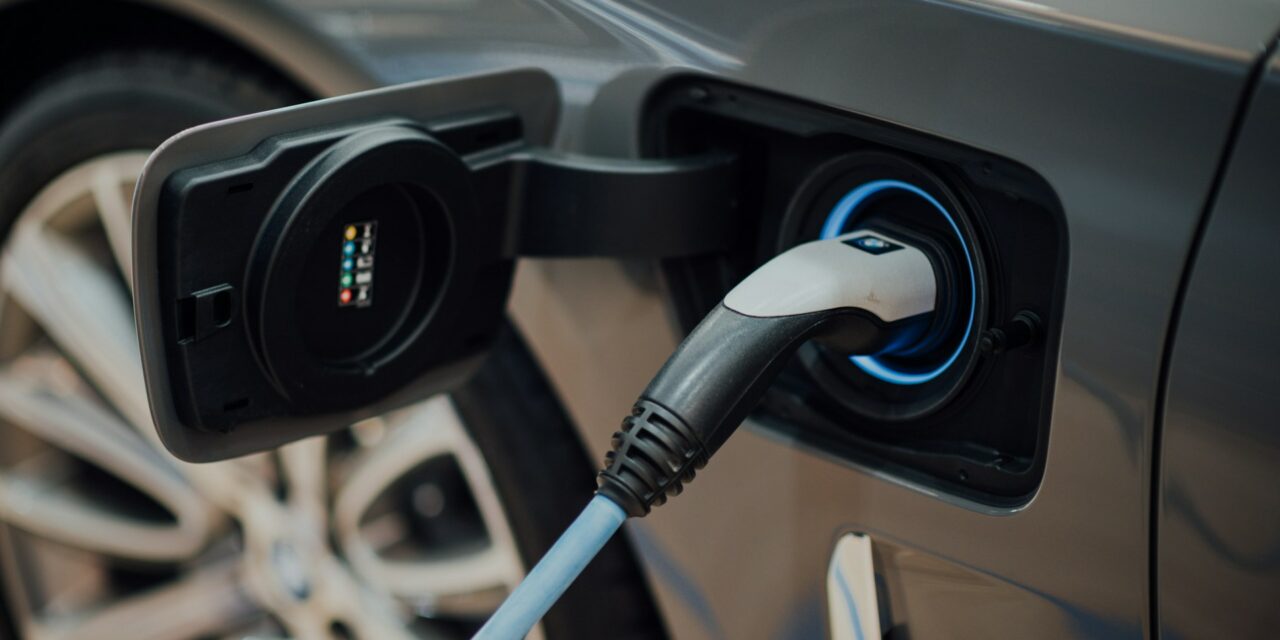
A 3-pin plug can charge many electric cars in the UK, provided the car is supplied with a suitable portable charging cable. But it is a slow, high-load way to do it, not a substitute for a properly installed home chargepoint if you will charge regularly.
The useful answer is not simply yes or no. A 3-pin cable can be a sensible occasional top-up, a holiday-backup cable or a way to get a newly delivered EV charged overnight. It demands more care than plugging in a phone, though, because it can draw substantial current for many hours.
What a 3-pin charge actually gives you
A normal UK domestic socket supplies about 2.3kW when a portable EV cable is set to 10 amps. A typical 7kW home chargepoint delivers roughly three times as much power. The exact rate is set by the car and cable, while the real energy added also depends on charging losses and the car’s battery condition.
As a broad illustration, putting 60kWh into a battery from a 2.3kW supply takes more than 26 hours before allowing for losses. At 7kW it is nearer nine hours. That is why a 3-pin lead works best for modest daily mileage or an occasional overnight top-up, rather than a regular full recharge.
Use the cable supplied or approved for your car
Use a portable charging cable that came with the car or one explicitly approved by its manufacturer. These cables have a control box in the lead, often called an in-cable control and protection device. It communicates with the vehicle and provides safety functions that an ordinary extension lead cannot.
Do not assume every EV includes one. Some manufacturers supply a portable cable as an option, while others include only a Type 2 public-charging cable. Check the handbook, not a listing photograph or a seller’s verbal assurance.
When a 3-pin socket is a bad idea
- Never use an extension lead, multi-way adaptor, reel or trailing cable. They add connections and potential weak points to a long, heavy electrical load.
- Do not use a socket that is damaged, loose, discoloured, hot or prone to tripping. Stop rather than trying another night.
- Do not run the cable where it can be crushed, shut in a door, walked over or driven across. Keep it clear of standing water too.
- Do not treat a socket in a shared or rented parking area as yours to use without permission. The electricity, parking rights and cable route all matter.
- Do not rely on a 3-pin lead as a daily workaround if the socket or circuit has not been checked for that use.
If you notice heat at the plug or socket, a burning smell, discoloration, buzzing or repeated tripping, unplug safely if possible and get the installation checked by a qualified electrician. Do not continue charging to see whether it happens again.
A practical first-time check
- Read the car’s handbook and confirm that its portable cable is intended for a standard UK socket.
- Choose a sound, fixed wall socket, ideally on a circuit you understand and with no other heavy loads in use.
- Plug the portable cable directly into the socket, then connect it to the car in the order specified by the manufacturer.
- Check the plug and socket after the first period of charging. They should not become unusually hot.
- Keep the cable route tidy and protected. A cable across a public pavement creates both a hazard and a potential legal problem.
Why a home chargepoint is usually the better answer
A dedicated chargepoint is designed for repeated EV charging, is faster than a portable 3-pin setup and can make it easier to schedule charging around an off-peak electricity tariff. New private chargepoints sold for domestic use are also generally required to have smart functionality under the UK’s smart charging rules, which can help with scheduling and load management.
That does not mean every EV owner needs a wallbox immediately. If you drive only a few miles a day and have a suitable socket, a portable lead may cover the gap while you decide. But if you need to replenish meaningful mileage most days, want predictable overnight charging or have any doubt about the electrical installation, a proper chargepoint and professional advice are the more durable choice.
The bottom line
Charging an electric car from a 3-pin plug is possible, but it is deliberately slow and should be done with the correct portable EV cable plugged directly into a sound socket. Think of it as a careful top-up solution. For routine home charging, a dedicated chargepoint is safer, quicker and usually more convenient.
For the rules that apply to smart private chargepoints, see the government’s guidance on electric vehicle smart charge points. If you are unsure about the condition or suitability of a socket or circuit, ask a qualified electrician before using it for EV charging.