It is one of the most repeated bits of roadside folklore: in a 30mph limit, 33mph is fine because cameras allow ‘10% plus 2’. It is not fine in the legal sense. If the limit is 30mph, driving at 31mph is speeding. The fact that a camera may not always produce an immediate notice is not permission to exceed the sign.
The distinction matters because drivers often treat a reported enforcement threshold as a target. It is neither a second speed limit nor a promise about what will happen on a particular road. The sensible rule is much less exciting: read the signs and keep your actual speed at or below the limit.
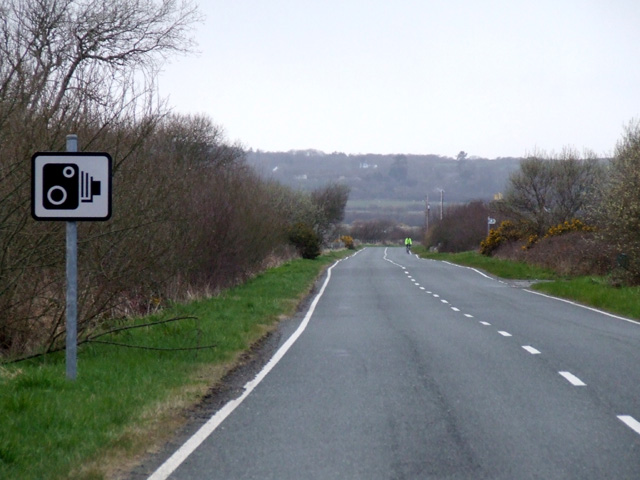
Featured photo: Nigel Williams, CC BY-SA 2.0.
What does the law actually say?
Under section 89 of the Road Traffic Regulation Act 1984, a person driving above an applicable speed limit commits an offence. There is no ‘10% plus 2mph’ allowance written into that provision.
That is why the number on the sign is the only number a driver should plan around. GOV.UK puts it plainly: the speed limit is an absolute maximum, not a speed that is automatically safe in every condition. Its speed-limit guidance also shows why assumptions can go badly wrong. A lit road is usually 30mph in England, Scotland and Northern Ireland unless signed otherwise, while the equivalent default in Wales is 20mph. Local limits and temporary limits must be signed, and they override any guess based on the type of road.
So where does ‘10% plus 2’ come from?
The figure is commonly discussed as an enforcement threshold. It is often linked to former police guidance and to the practical reality that speed measurement and enforcement need a robust process. That history does not turn it into a legal tolerance.
Most importantly, it does not tell you the point at which every device, force or camera partnership will act. An enforcement threshold is an operational matter, not a right a motorist can rely on. It can also distract from the more basic question: were you above the posted limit? If yes, do not expect the phrase ‘10% plus 2’ to be a defence.
Why aiming for the threshold is a bad habit
- You may have misread the limit. A 20mph zone, a variable motorway limit or roadworks can make the usual mental calculation irrelevant.
- Your vehicle may have a lower limit. Vans, vehicles towing a trailer and heavier motorhomes do not always share the car limit. Check the vehicle-specific tables on GOV.UK before a long journey.
- The margin leaves no room for changing conditions. You need time to react to a new sign, traffic, rain, a school entrance or a queue around a bend.
- It encourages watching the speedo too late. Braking sharply after spotting a camera is less controlled than easing down when the limit changes.
For drivers who use cruise control, setting it a little below a motorway or dual-carriageway limit can remove the temptation to creep over on a long descent. In urban areas, it is better to slow before the new sign and let the car settle, rather than try to hold a supposed camera trigger point.
Does a camera have to catch you for it to count?
No. A speeding offence is not created by the camera. Cameras are one way that speed can be enforced, alongside police officers and other approved methods. Nor do camera-warning signs create a safe zone. If a limit is signed, it applies whether or not you can see a camera, a van or a warning sign.
If a notice does arrive, deal with the paperwork rather than relying on internet rules of thumb. The timing question is separate from whether the speed limit was exceeded. Our guide to how long a speeding ticket can take to arrive explains the usual 14-day requirement for the first notice in many cases, and the important exceptions.
What could happen if you are caught speeding?
The outcome depends on the circumstances and the route taken by the police or court. It can include a fixed penalty, a course offer where available, penalty points, a fine or a court appearance. A course is not automatic and should not be treated as a way to make speeding consequence-free.
Penalty points can matter well beyond the initial fine. GOV.UK says a court can fine a convicted motorist and endorse their driving record, and that disqualification can follow 12 or more points within three years. New drivers face a lower threshold under separate rules. See the official penalty-points guidance for the current position.
The practical answer: treat the sign as the limit
There may be legitimate debates about camera operation and evidence after an allegation. They do not change the decision to make while driving. A 30mph sign means 30mph is the ceiling, not 33mph. Leave yourself room below it, look ahead for changes in limit and do not build a journey around an unofficial buffer.
Speed-camera tolerance FAQs
Can you legally drive at 33mph in a 30mph zone?
No. The legal limit is 30mph. Any action a particular enforcement body may or may not take at a particular speed does not change that.
Is 10% plus 2mph a UK law?
No. It is not a statutory speed allowance. Do not use it as a target or assume it guarantees that no action will be taken.
Does the rule apply to 20mph limits?
No legal tolerance applies to 20mph limits either. In particular, do not assume that a familiar 30mph calculation transfers safely to a signed 20mph road.
Can I challenge a speeding allegation because I was within 10% plus 2mph?
That phrase is not, by itself, a legal defence. If you receive an allegation and believe there is a genuine issue with it, read the notice carefully and consider independent legal advice before responding.