
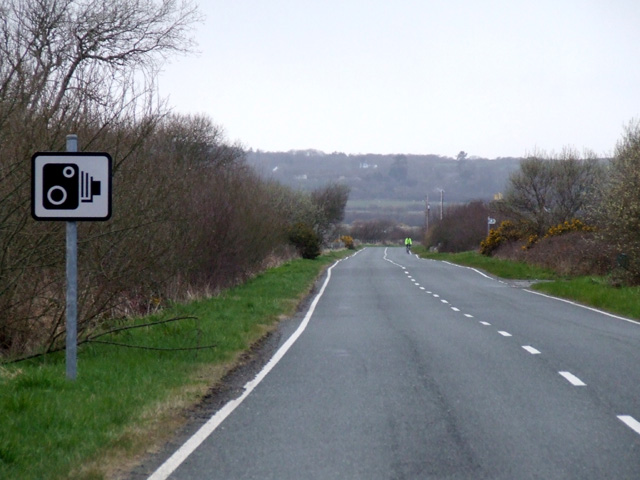
Caught by a speed camera and wondering how long the paperwork takes to show up? In most UK cases, the first Notice of Intended Prosecution, usually called a NIP, should reach the registered keeper within 14 days of the alleged offence. But that does not mean every driver will personally get a letter inside two weeks.
That distinction matters. If the car is leased, hired, a company vehicle or registered to someone else, the first notice may go somewhere else first. Your own letter can arrive later and still be perfectly valid.
Here is what the timing rules actually mean, what usually lands on the doormat first, and when a late notice may still not get you off the hook.
The short answer
If you were caught by a speed camera, the first NIP normally has to be served on the driver or the registered keeper within 14 days of the alleged offence. GOV.UK says that if you are caught by a speed camera, within 14 days you will be sent a Notice of Intended Prosecution and a Section 172 notice asking who was driving.
The important word is first. The law does not say that every later letter in the chain must reach the eventual driver within 14 days. So if your car is on finance, belongs to your employer or is a hire car, the notice may go first to the leasing firm, company or registered keeper. They then name the driver, and only after that does a fresh notice or request for driver details reach you.
What usually arrives first?
In most camera-detected cases, the first paperwork is not a fine. It is usually:
- a Notice of Intended Prosecution, warning that prosecution is being considered
- a Section 172 notice, requiring the keeper or recipient to identify the driver
This is why people often say they are waiting for a speeding ticket when, strictly speaking, they are actually waiting for the first notice before any fixed penalty is offered.
Once the driver has been identified, the next step is usually one of three things:
- an offer of a speed awareness course, if the police force and circumstances allow it
- a fixed penalty, usually £100 and 3 penalty points
- a court referral for more serious speeds or cases with complications
If you want the detail on course offers, we have already covered that in our guide to the UK speed awareness course.
Who has to get the notice within 14 days?
This is the part many drivers get wrong.
Under Section 1 of the Road Traffic Offenders Act 1988, the notice must normally be served within 14 days on the driver or on the person registered as the keeper of the vehicle. In plain English, that usually means the person or business shown on the DVLA record for the car.
So if you are the registered keeper and your V5C details are up to date, the first notice should usually reach that address within the 14-day window.
If you are not the registered keeper, the 14-day rule is not measured by when your own copy arrives. It is measured by whether the first notice went out correctly to the person or organisation on the DVLA record.
Why your own letter can arrive later and still be valid
There are several common reasons why a driver’s own paperwork shows up after the two-week mark.
1. It is a company car
If your employer is the registered keeper, the first notice goes to the business. The company then has to name the driver. Only then does the police process move on to you.
2. It is leased or on salary sacrifice
Many lease and fleet vehicles are registered to a finance or leasing company, not the person driving the car every day. In that case the first notice goes to the leasing company, then perhaps to your employer, and only then to you.
3. It is a hire car
Hire vehicles work in a similar way. The first notice often goes to the rental company as the registered keeper. They identify the hirer, and the paperwork continues from there.
4. The vehicle has recently been bought or sold
If DVLA records had not yet been updated when the alleged offence happened, the first notice may go to the previous keeper or another party in the chain.
Nottinghamshire Police’s camera partnership states this very clearly: if you receive a NIP outside the 14-day period, it is likely you were nominated as the driver by someone else, such as a hire or lease company. You still have to respond to the Section 172 requirement within the time shown on the notice.
What if you are the registered keeper and nothing arrives within 14 days?
This is where drivers start talking about the so-called 14-day loophole. Sometimes that matters, but it is not as simple as people think.
If you are the registered keeper, your address details were correct, the case was camera-detected, and the first notice really was not served in time, that can be important. But there are catches.
First, the notice is generally treated as valid if it was sent by first-class post to the right address in time to be delivered within the 14 days. A delay in your own post is not automatically the same thing as the police missing the deadline.
Second, the law includes exceptions. Section 2 of the Road Traffic Offenders Act 1988 says the 14-day requirement does not apply in some situations, including where an accident happened at the time or immediately afterwards, or where the authorities could not with reasonable diligence identify the accused or registered keeper in time.
Third, even if you believe the notice was late, that does not mean you can ignore it.
Do not ignore the Section 172 notice
This is the biggest practical mistake drivers make.
Even if you think the NIP is invalid because it arrived late, you still normally have to reply to the Section 172 request for driver details. GOV.UK says you must return that notice within 28 days, telling the police who was driving the car.
Ignoring it can create a separate and often more serious problem than the original speeding allegation. The police can take action for failing to provide driver information, which can be much more painful than simply dealing with the speeding matter properly.
If you think the notice was defective, respond as required and then challenge the issue through the proper route.
What happens after you reply?
Once the driver is identified, the police will decide what disposal to offer.
For lower-level speeding offences, that may be a speed awareness course, although there is no automatic right to one. If no course is offered, the standard fixed penalty for many routine speeding offences is £100 and 3 points.
More serious allegations can go straight to court. Sentencing can rise sharply depending on the speed and the limit involved, and court fines are usually based on a percentage of weekly income rather than a flat fixed-penalty amount.
Common situations, answered quickly
I got the letter 16 days after the offence. Is it invalid?
Not necessarily. If you are not the registered keeper, the first notice may still have gone out in time to the right person. Even if you are the registered keeper, the police may argue it was properly posted in time.
The car is leased. Does the 14-day rule still apply?
Yes, but usually to the first notice sent to the leasing company or other registered keeper, not to the driver using the car every day.
I moved house and forgot to update my V5C. Can I rely on the notice arriving late?
Usually that is a weak argument. Police guidance makes clear that if the notice reached the address held for the registered keeper within the 14-day period, it can still be valid.
Can I just wait and see if nothing turns up?
No. If a notice does arrive, deal with it promptly. If you have moved address or your keeper details are wrong, that can make things worse rather than better.
A simple rule of thumb
Use this quick guide:
- Registered keeper, correct DVLA details, camera offence: the first notice should usually be served within 14 days
- Lease, hire or company car: your own paperwork can arrive later and still be valid
- Any Section 172 request: reply within 28 days
- Serious speeds or complications: expect court rather than a simple fixed penalty
Bottom line
If you are asking how long a speeding ticket takes to arrive in the UK, the best answer is this: the first notice usually has a 14-day deadline, but your own letter does not always have to land within two weeks for the case to stand up.
That is why lease cars, company cars and hire vehicles catch so many people out. The real deadline you must not miss is the one on the Section 172 form asking you to identify the driver.
If you were caught by a camera and the timing looks odd, check who the registered keeper is before assuming the notice is invalid. In a lot of cases, the paperwork is later than expected but still legally in time.





Trackbacks/Pingbacks