Brake imbalance across an axle means one wheel on the same axle is producing noticeably less braking force than the other. In plain English, the car is not slowing evenly left-to-right, which can make it pull under braking and can turn into an MOT fail if the difference is big enough.
Quick answer: On a UK MOT, brake imbalance across an axle is judged from the brake-force readings at each wheel. DVSA says it is a major defect if one wheel produces less than 70% of the braking effort of the other wheel on the same axle, and dangerous on a steered axle if one wheel is below 50% of the other. If your car pulls to one side when braking, get it checked immediately.
If you have seen “brake imbalanced across axle” on an MOT sheet or brake-test printout, it usually points to a fault or uneven condition in the braking system rather than a single named part. The fix might be simple, such as seized slider pins or contaminated pads, or it might need a fuller inspection of the caliper, drum hardware, tyre condition or suspension.
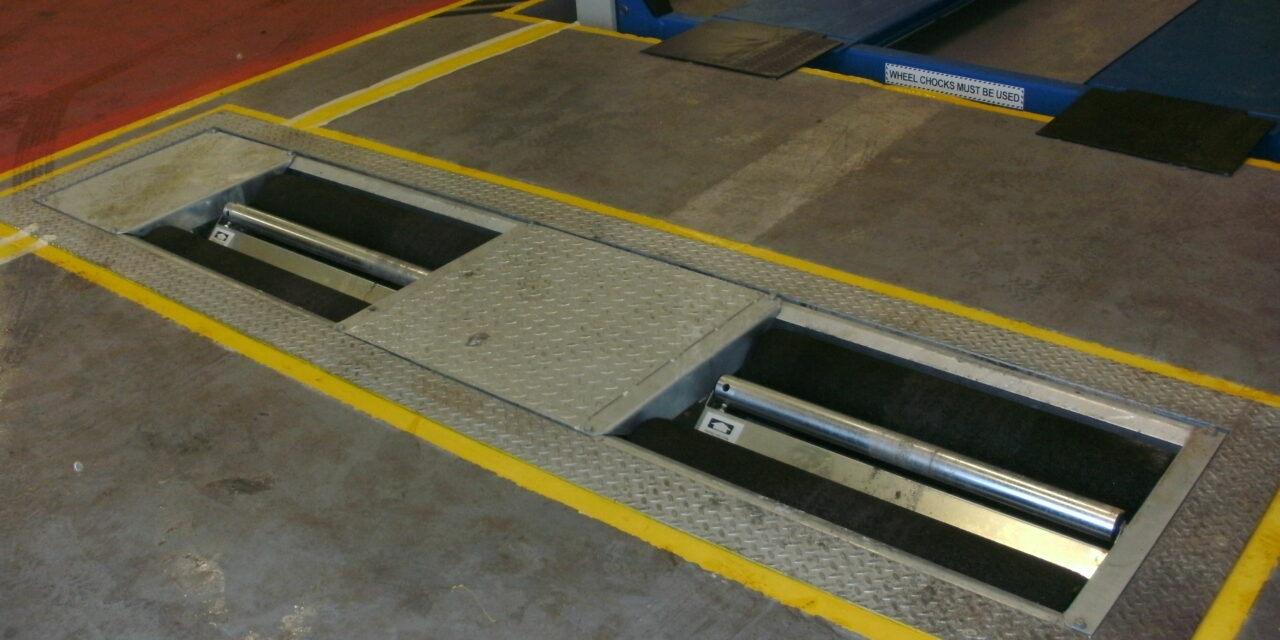
During an MOT brake test, the tester measures braking force at each wheel on the same axle. If the left and right readings are too far apart, the brakes are considered imbalanced.
A simple example makes it clearer:
left front brake force: 300kg
right front brake force: 180kg
The weaker side is only 60% of the stronger side. On a typical car, that is enough to count as a major imbalance on the MOT.
This matters because balanced braking helps the car stay stable. If one side does much more work than the other, the vehicle can pull off line when you brake, especially in an emergency stop or on a wet road.
Is brake imbalance an MOT fail?
Usually, yes, if the difference is large enough.
In the current DVSA MOT inspection manual for cars and light vans, brake imbalance across an axle is a:
major defect if the braking effort from one wheel is less than 70% of the maximum effort recorded from the other wheel on the same axle
dangerous defect on a steered axle if one wheel is less than 50% of the other
There are a couple of important caveats. DVSA also says the imbalance should be disregarded if the lower reading is caused by a locked wheel, or if the higher reading is not more than 40kg. So not every uneven-looking printout automatically means a fail.
In real life, the final outcome depends on the measured readings, whether lock-up occurred, which axle is affected, and what else the tester finds.
What causes brake imbalance across an axle?
There is no single cause, but these are the usual suspects.
1. A sticking brake caliper
This is one of the most common reasons on front disc-brake cars. If a caliper piston sticks, or the slider pins seize, one pad may not clamp the disc properly. That wheel then produces less braking force than the other side.
In some cases the opposite happens: the caliper does not release cleanly, so the brake drags and overheats. That can leave one side with different pad deposits, glazing or hot spots, which then shows up as uneven braking effort on the roller test.
If you are dealing with a model-specific issue, our Mazda guide on a sticky brake caliper and the MOT shows the sort of fault pattern that can trigger uneven readings.
2. Contaminated or unevenly worn pads and discs
Brake pads or discs contaminated by grease, oil or brake fluid can lose friction. One side may still bite properly while the other does not.
Uneven pad wear, heavy corrosion on the disc face, or poor bedding-in after recent brake work can also create noticeably different brake effort side-to-side.
3. Seized or badly adjusted rear drum brakes
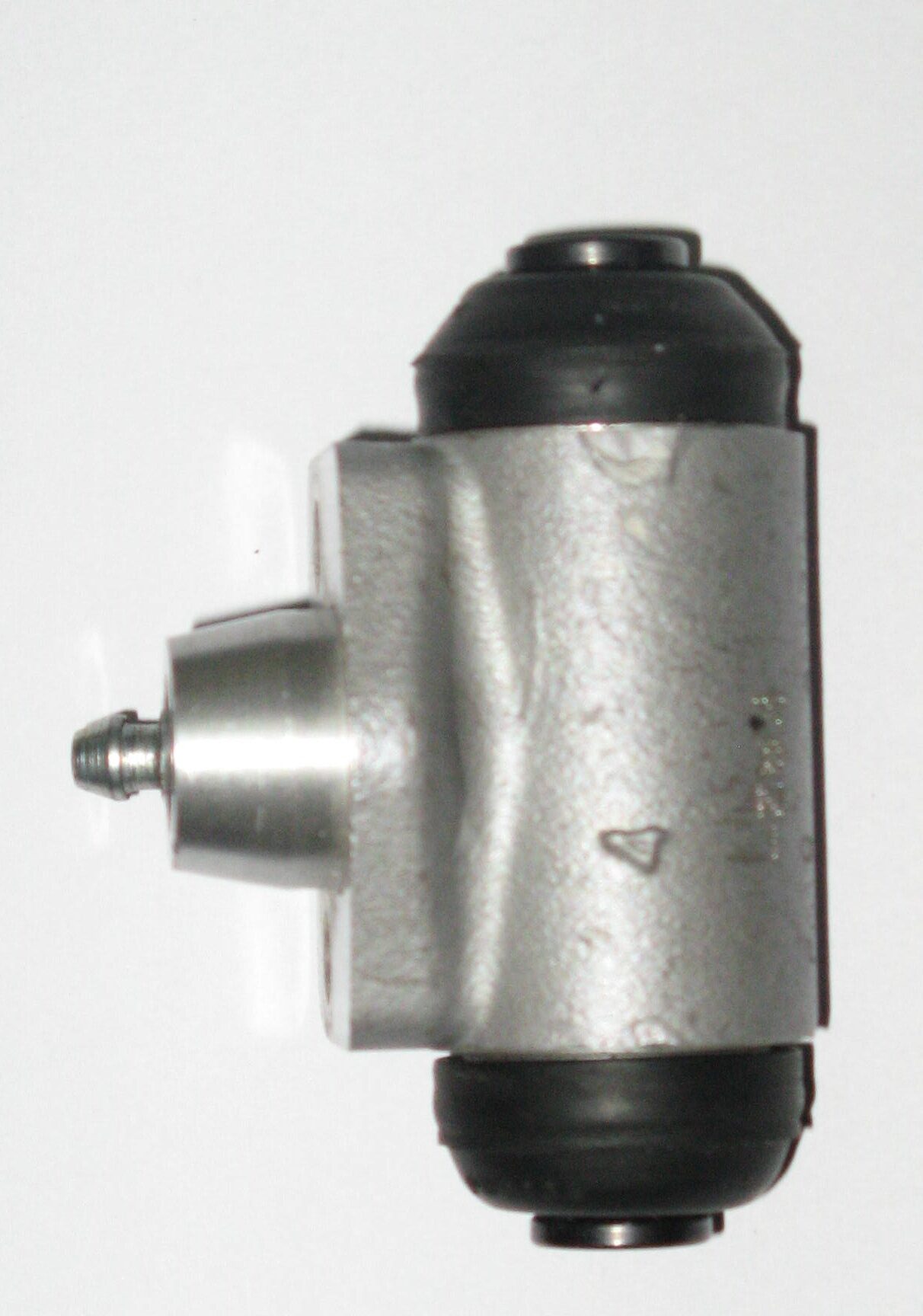
Many small cars still use rear drum brakes. If one wheel cylinder is weak, one adjuster is seized, or the shoes are not contacting evenly, the rear axle can show a sizeable imbalance.
That is one reason a fresh strip, clean and adjustment can make a dramatic difference on an older car with rear drums.
4. Parking brake imbalance
Sometimes the wording appears because the parking brake is imbalanced rather than the main foot brake. That can happen when one cable binds, one side is badly adjusted, or one rear brake mechanism is not moving freely.
So always check whether the printout refers to the service brake or parking brake result.
5. Tyre or grip differences affecting the test
Although the fault is usually in the brakes, tyre condition can affect how the result appears on a brake tester. A badly under-inflated tyre, a tyre with very different grip, or a wheel that locks differently can influence the reading.
That is also why the Highway Code says that if a vehicle pulls to one side when braking, it is most likely to be a brake fault or incorrectly inflated tyres.
If you also have uneven tyre wear, it is worth checking whether alignment or suspension issues are adding to the problem. Our guide on wheel alignment vs tracking explains the basics.
6. Suspension or bush wear affecting contact on the rollers
Worn bushes, a weak damper or a suspension fault will not usually be the first thing to blame, but they can make brake-test behaviour less consistent. If one wheel is not maintaining contact and load properly, the readings can become more erratic.
7. Recent brake work that has not bedded in evenly
Brand-new pads and discs can sometimes produce odd readings if one side has bedded in properly and the other has not. That should not be used as an excuse for a clear braking fault, but after recent work it is worth checking for uneven pad contact, poor installation or contaminated friction surfaces.
What do MOT testers actually look for?
On a roller brake tester, the MOT tester watches how the braking effort rises at each wheel as the brake is applied. They are looking for more than just the final number.
They also check for:
grabbing from one wheel
abnormal lag in brake operation
excessive fluctuation through each wheel revolution
brake effort when no brake is being applied, which suggests binding
the car deviating excessively from a straight line if a road test method is used
So if your brake sheet mentions imbalance, there may also be a root-cause clue elsewhere in the same result.
Can you still drive with brake imbalance?
Sometimes the car will still feel mostly normal in gentle everyday driving, but that does not mean it is safe to ignore.
If the car:
pulls to one side under braking
feels unstable in a hard stop
has a hot wheel after a short drive
smells of hot brakes
has a long pedal or inconsistent pedal feel
then it needs attention quickly.
A mild imbalance may simply mean you should book it into a garage before the next MOT retest. But a strong pull under braking is a real safety issue. If that is happening, avoid driving it except directly to a repairer, or arrange recovery if the fault feels severe.
What should you do next?
The best next step is a proper brake inspection rather than throwing random parts at it.
Ask the garage to check:
pad wear side-to-side
disc condition and corrosion
caliper piston movement
slider pins and carriers
rear drum adjustment and wheel cylinders, if fitted
parking brake cables and linkages
tyre pressures and tyre condition
suspension wear if the readings were erratic
If one front brake is much weaker than the other, both sides on that axle are often serviced together so braking feel stays even.
Pre-MOT checklist for suspected brake imbalance
If you are trying to avoid a retest failure, this shortlist is worth doing first:
check tyre pressures on both sides of the axle
make sure the car is not pulling when braking
listen for scraping, grinding or binding noises
feel for a steering pull or pedal vibration
after a short drive, check for one wheel running much hotter than the other
inspect for obviously worn pads or badly corroded discs if the wheel design lets you see them
if rear drums are fitted, consider a strip-and-adjust service before test day
if brake work was done recently, make sure both sides were replaced and fitted correctly
The bottom line
“Brake imbalanced across axle” means the two wheels on the same axle are not producing similar braking force. On the MOT, that becomes a fail once the difference is large enough under DVSA rules.
Most of the time the answer is not mysterious: something is stopping one side from braking as well as the other. Common causes include a sticking caliper, seized sliders, contaminated pads or discs, uneven rear drum adjustment, tyre differences or a parking-brake issue.
Treat it as a proper safety problem rather than just an MOT wording quirk. A garage that checks the braking system methodically should be able to find the cause, fix it properly and make the next brake test much less stressful.