
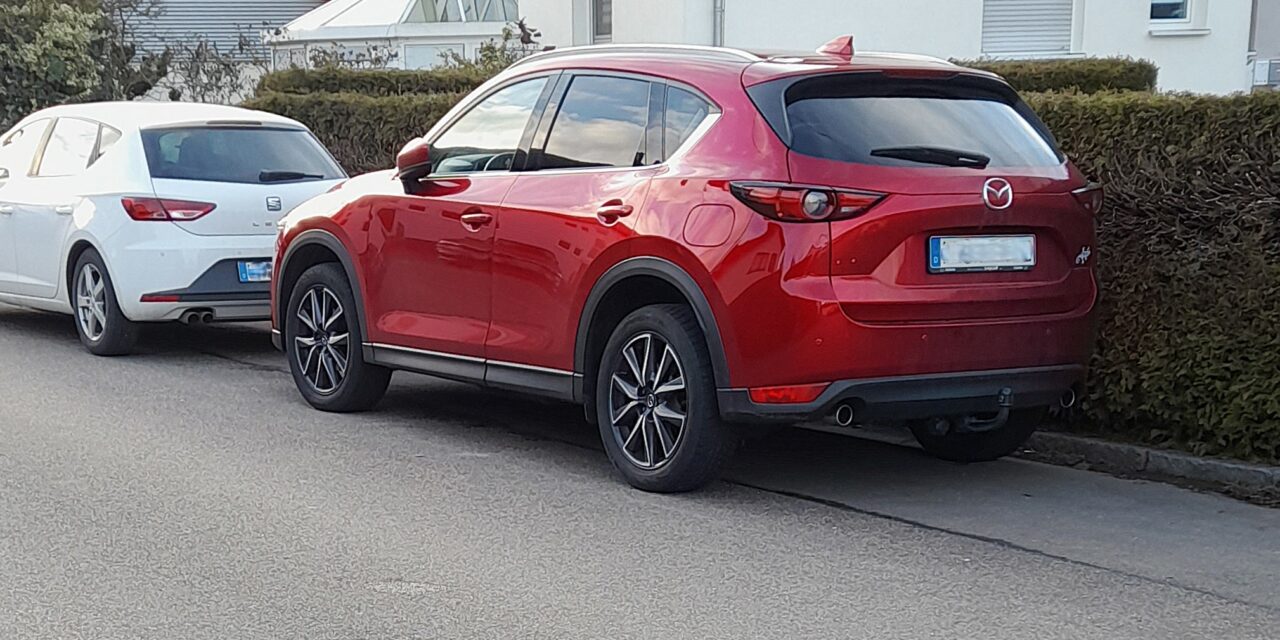
A sticky brake caliper on a Mazda CX-5 can absolutely cause an MOT failure in the UK if it leads to brake binding, poor braking efficiency, excessive imbalance across an axle, or visible defects such as fluid leakage or a seized calliper body. The MOT does not fail a car simply because someone says the caliper is "sticking". It fails the car because of the effect that fault has on braking performance and safety.
If your CX-5 is pulling to one side, one wheel is getting unusually hot after a short drive, or you can smell hot brakes, do not leave it until test day. A sticking caliper can turn into worn pads, a scored disc and, in the worst case, unsafe braking.
Can a Mazda CX-5 fail its MOT for a sticky brake caliper?
Yes. In practice, a sticky front or rear caliper on a Mazda CX-5 is most likely to fail the MOT in one of four ways:
- The brake binds or drags, so the wheel does not release properly
- Braking efficiency drops, because one corner is not applying force correctly
- Brake imbalance shows up on the test rollers, especially across a steered axle
- The caliper itself is defective, for example leaking, insecure or excessively corroded
Under the current DVSA MOT inspection manual, testers look at both the physical condition of the brake hardware and the measured braking performance. A caliper does not need to be hanging off the car to be a problem. If it is partly seized and causing the brake to grab, overheat or underperform, that can be enough to trigger a fail.
What a sticking caliper usually feels like on a CX-5
A sticky caliper often starts as a driving symptom before it becomes an MOT issue. On a Mazda CX-5, the usual warning signs are:
- the car pulls slightly left or right under braking
- one wheel gets much hotter than the others
- you notice a hot metallic smell after a short run
- fuel economy suddenly worsens because one brake is dragging
- a brake disc looks blue, scored or unusually rusty on one side
- one set of pads wears out much faster than the pad on the opposite side
Sometimes the cause is the caliper piston itself. Sometimes it is the slider pins seizing, the pads sticking in the carrier, or corrosion stopping the caliper from moving freely. From an MOT point of view, the exact root cause matters less than the result. If braking is affected, the car is at risk.
What MOT testers actually check
The MOT brake test is not just a quick look through the wheels. The tester checks visible condition and also measures performance. For a sticky caliper, the most relevant parts of the DVSA rules are these:
1. Caliper condition and security
The MOT manual allows a fail if a brake caliper is:
- insecure
- missing where fitted
- damaged or excessively deteriorated
- leaking hydraulic fluid
That matters because a caliper that has seized externally, corroded heavily around the piston area or started leaking is already beyond a minor annoyance.
2. Braking efficiency
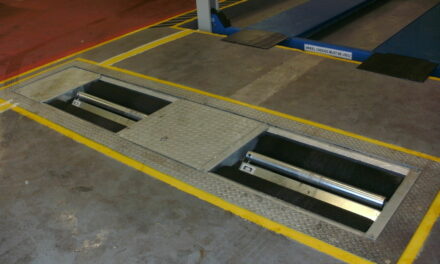
For passenger cars, the service brake normally needs to achieve at least 50% efficiency to pass. If it drops below that, it is a major defect. If it falls below 25%, it becomes dangerous.
A mildly sticky caliper does not always reduce overall efficiency enough to fail, but a badly seized one can. If one side is doing too little work or one brake is binding so badly that the measured result is unstable, the test can go south quickly.
3. Brake imbalance
This is where many sticky caliper problems show up. On a steered axle, brake imbalance over 30% is a major defect, and over 50% is dangerous.
So if one front caliper on your CX-5 is dragging or not applying properly, the roller brake test may show a significant left-to-right difference even if the car still feels almost normal in everyday driving.
4. Brake grab or judder
The DVSA rules also allow a fail where braking performance is affected by severe fluctuation, grabbing or abnormal force variation. A caliper that releases unevenly or sticks on and off can create exactly that sort of result.
Will every sticky caliper fail the test?
Not necessarily. If the caliper is only just starting to stick and the measured brake performance is still within limits, the car may scrape through. But that is not a good outcome to rely on.
A partly seized caliper often gets worse with heat, lack of use or wet weather. That means a CX-5 that feels merely "a bit off" this week can easily become a clear fail next week, especially if pad wear or disc damage accelerates.
The sensible approach is simple: if you already suspect a sticking brake, book an inspection before the MOT rather than gambling on the rollers.
Is this a known Mazda CX-5 MOT weak spot?
There is no separate MOT rule aimed specifically at the Mazda CX-5. The test standard is the same as for any other passenger car.
What is fair to say is that the CX-5, like many family SUVs used for school runs, stop-start commuting and occasional long periods parked up, can suffer from the same real-world brake issues as other modern cars: slider pins drying out, pads sticking in carriers, corrosion building up around the hardware, and discs wearing unevenly if a brake starts dragging.
So this is better thought of as a common brake-system fault on a CX-5, not a unique Mazda-only MOT trap.
What usually needs repairing
A garage will normally inspect all of the following before quoting:
- caliper piston movement
- slider pins and rubber boots
- pad condition and fit in the carrier
- disc wear and heat damage
- flexible brake hose condition
- brake fluid leaks
Possible fixes range from a straightforward strip, clean and lubricate job to replacing the caliper completely. In real life, once a caliper has been dragging for a while, the pads and disc on that corner are often damaged too.
Rough UK repair costs
Costs vary a lot by engine, axle, parts brand and whether the disc and pads are salvageable, but these are sensible ballpark figures for UK independent-garage work:
- inspection and basic strip/free-off work: roughly £80 to £150
- replacement caliper on one corner: often around £180 to £350 fitted
- caliper plus new disc and pads on the same axle: often £300 to £550+
Those are not fixed-price promises, just realistic guide numbers based on typical UK labour rates and current aftermarket parts pricing. Main-dealer quotes can be higher.
Is it safe to keep driving?
Sometimes owners ask whether they can wait until the weekend or just drive to the MOT and see what happens. I would be cautious.
Stop driving and get the car checked promptly if your CX-5 shows any of these signs:
- it pulls hard when braking
- a wheel is too hot to go near safely after a short trip
- you smell burning brakes
- the brake pedal feel changes suddenly
- the car feels sluggish, as if it is being held back
- you can hear persistent scraping or grinding from one corner
A sticking caliper can overheat the disc, cook the pad material and put extra strain on wheel bearings and tyres. If the brake begins to seize more aggressively, the car can become unsafe very quickly.
What to do before the MOT
If you think your Mazda CX-5 has a sticky brake caliper, this is the sensible order of play:
- Do not ignore the symptom, even if the warning lights are off
- Book a brake inspection before the MOT date
- Ask the garage to compare both sides of the axle, not just the noisy corner
- Replace pads and discs where needed, rather than fixing only the caliper and leaving damaged friction parts in place
- Road-test the car properly after repair so the brakes are applying evenly
If you are looking after a higher-mileage CX-5, it is also worth keeping on top of the wider maintenance basics. Our guide to essential used car maintenance tips is a useful companion read, and if you are comparing this fault with the model more generally, our Mazda CX-5 review and latest news coverage gives broader ownership context.
Quick answer
If your Mazda CX-5 has a sticky brake caliper, it can fail its MOT if the fault causes brake binding, poor efficiency, left-to-right imbalance, grabbing, or visible caliper defects such as leakage or heavy deterioration. Even if it does not fail this time, it is a fault worth repairing before it damages pads, discs and overall braking safety.
FAQs
Can a sticky rear caliper fail an MOT on a Mazda CX-5?
Yes. A rear caliper can fail the MOT if it binds, leaks, is insecure, or causes poor brake performance. It may also affect parking brake performance, depending on the exact brake set-up on your CX-5.
Will a brake cleaner spray fix a sticking caliper?
Not usually. Brake cleaner can remove surface contamination, but it will not cure a seized piston, corroded slider pins or damaged seals. If the brake is dragging, the proper fix is diagnosis and mechanical repair.
Can I drive to the MOT with a sticking caliper?
If the symptom is mild, some owners do, but it is a risk. If the car pulls, smells hot, or one wheel is clearly overheating, I would not treat it as a routine drive. Get it checked first.
Is it better to replace one caliper or both?
That depends on condition. Many garages will replace the failed side and inspect the opposite side carefully. If both sides are badly worn or corroded, doing the pair can be the smarter long-term fix.
Does a sticky caliper always mean new discs and pads too?
Not always, but often. If the brake has been dragging, the heat can glaze the pads and score or overheat the disc. Once that happens, replacing the caliper alone may be a false economy.
Final word
A sticky brake caliper is one of those faults that can look minor right up until the MOT brake test exposes it properly. On a Mazda CX-5, the smart move is not to chase the narrow question of whether it might pass, but to fix the cause before it becomes a bigger safety and repair bill. If the symptoms are there, treat the car as needing attention now, not after the certificate says no.


Trackbacks/Pingbacks