
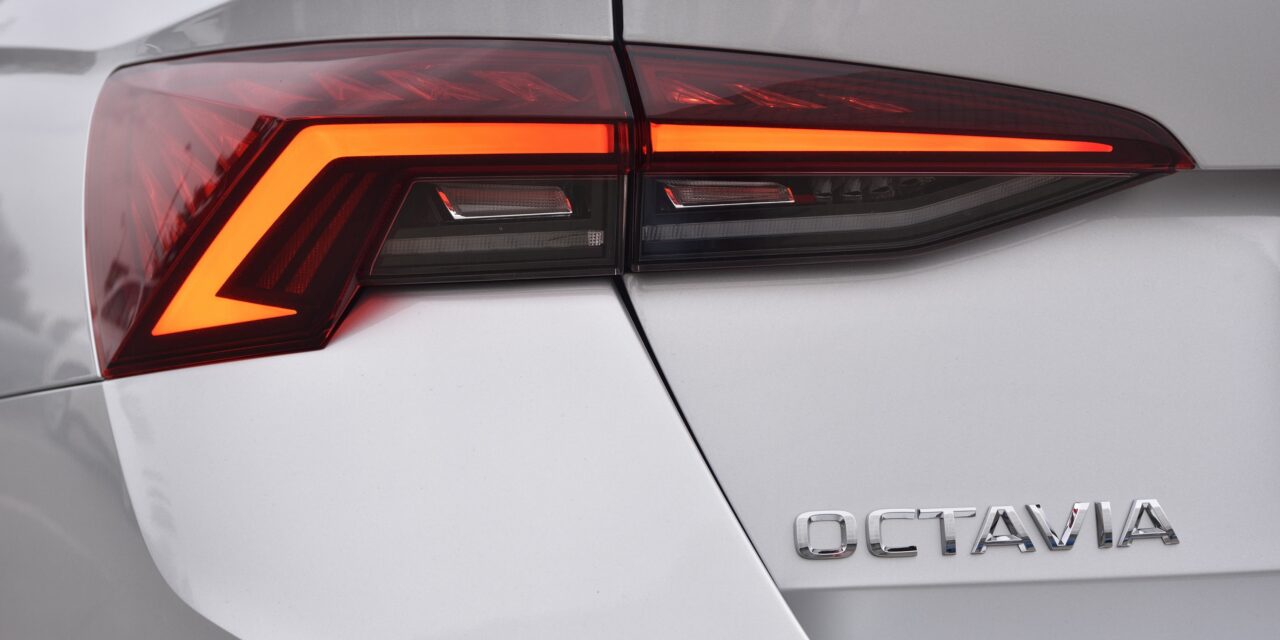
If you have spotted moisture inside a Skoda Octavia rear light cluster, the good news is that it is not automatically an MOT fail. What matters in the UK test is the defect the tester can actually see on the day, not the fact that a lamp once misted up after rain or a cold snap.
Quick answer
A Skoda Octavia rear light cluster with light condensation will not usually fail an MOT on its own. The risk rises if moisture has led to a lamp not working properly, a badly reduced light output, a damaged or cracked lens, the wrong light colour, corrosion at the bulb holder, or water sitting in the unit rather than a light mist.
Why moisture appears inside an Octavia rear light cluster
A small amount of misting can happen in many modern lamp units. Rear clusters are not always completely airtight, and temperature swings can create light condensation that clears once the lamp warms up.
On a Skoda Octavia, rear cluster moisture is more worrying when it keeps coming back or does not clear. In practice, the usual causes are:
- a tired or pinched rear-cluster seal
- a hairline crack in the lens or housing
- a bulb holder or access cover not seated properly
- blocked venting inside the lamp unit
- previous damage, poor repair work or water getting in around the body aperture
If you can see actual droplets, staining or standing water rather than a thin mist, it is worth treating it as a fault rather than a cosmetic quirk.
When rear light moisture becomes an MOT problem
The current DVSA MOT inspection manual does not list condensation inside a rear lamp as a stand-alone fail item. In practice, a tester is looking at the condition and operation of the light assembly.
That means an Octavia is more likely to fail if the moisture has caused one of these visible faults:
- the rear lamp is inoperative, intermittent or noticeably dim
- the lens is cracked, insecure or badly repaired
- the light output or colour is wrong because of water ingress or damage
- the unit is so deteriorated that it is not in good working order
So the important distinction is this: a bit of mist is one thing, but a wet cluster that affects how the lamp performs is another.
What an MOT tester is likely to notice
1. Whether all the rear lights work properly
If the rear position lamp, brake light, indicator, fog light or reversing light in that cluster is not working correctly, that is the first red flag. Moisture often shows up here as intermittent bulbs, warning messages, corrosion at the contacts or a lamp that is visibly duller than the other side.
2. Whether the lens or housing is damaged
If the cluster has a crack, poor repair, loose fit or obvious water ingress caused by damage, that is much more likely to attract attention than harmless fogging.
3. Whether light output is clearly affected
This is the real-world MOT issue for many owners. If one rear lamp looks weak, patchy or partly obscured because moisture has built up inside the lens, the tester may record the fault under lamp condition or operation rather than writing down condensation itself.
Is a little condensation normal?
Sometimes, yes.
A light mist after washing the car, after heavy rain or during a sudden temperature change can clear on its own. If the cluster dries out, the lens is intact and every bulb works at normal brightness, you may have no MOT issue at all.
The warning signs are:
- moisture that stays there for days
- obvious beads of water running inside the lens
- repeated bulb-failure warnings
- corrosion on bulb holders or connectors
- one rear light looking weaker than the matching lamp on the other side
If you are seeing those signs, it is sensible to fix the problem before your MOT rather than hoping the tester overlooks it.
How to check your Octavia before the test
Before booking the MOT, take five minutes to do a proper rear-light check.
Park on level ground and test every rear lamp
Turn on the sidelights, press the brake pedal, test the indicators, rear fog light and reversing light if you can do so safely with help. Compare both sides. If the damp cluster is dimmer or slower to respond, do not ignore it.
Inspect the lens closely
Look for fine cracks, failed seals, chipped edges and signs of previous repair. Moisture usually needs a path in. If you can find that path, you have probably found the real problem.
Remove the cluster if needed
On many Octavia generations, the rear lamp unit is straightforward to remove for inspection. Check the gasket, bulb carrier, connectors and drain or vent paths. If the foam seal is flattened or damaged, replacing it can be enough. If the housing is cracked or warped, replacing the full lamp unit is usually the better fix.
Drying it out is not the same as fixing it
A temporary dry-out can tell you whether the lamp still works, but it does not solve the root cause. If moisture comes back after the next rain, the leak is still there.
Cheap fix or full replacement?
That depends on why the cluster is wet.
A tired seal, loose access cover or dirty vent can sometimes be sorted without replacing the whole unit. But if the lens is cracked, the reflector has been damaged, or the contacts have already corroded, a replacement cluster is often the cleaner long-term answer.
If you are buying used parts, match the Octavia generation and body style carefully. Hatchback and estate lamp units are not always interchangeable, and LED clusters are rarely worth gambling on if there is any sign of water damage.
Can you still drive with moisture in the rear light?
Possibly, but it depends on the symptom.
If it is only a faint mist and the light works normally, the immediate safety risk may be low. If the lamp is dim, intermittent or showing bulb warnings, fix it quickly. A rear lighting fault is not just an MOT problem. It also makes the car harder to see in rain, fog and winter traffic.
Should you repair it before the MOT?
Yes, if there is any sign that the moisture is affecting operation.
A tester will not care that the lamp looked better yesterday. They will judge what they can see on the day. If your Octavia has a damp rear cluster and you are already noticing dim output, odd bulb behaviour or visible water inside the unit, repairing it before the MOT is the sensible move.
If you are working through a longer list of age-related jobs, our guide to essential used car maintenance is a useful starting point. If you rely on your car every day, it is also worth comparing the best breakdown cover for older cars in the UK. And if you are an Octavia owner who likes a bit of brand context, you may enjoy our look at the evolution of Škoda.
Final verdict
A Skoda Octavia rear light cluster with a little moisture inside will not automatically fail an MOT in the UK. The real question is whether that moisture has created a testable defect such as a failed bulb, reduced light output, visible damage or an insecure lamp unit.
If the cluster is only lightly misted and still works exactly as it should, you may be fine. If there is standing water, corrosion, dim output or any sign the lamp is not healthy, fix it before test day and avoid an unnecessary fail.




Trackbacks/Pingbacks