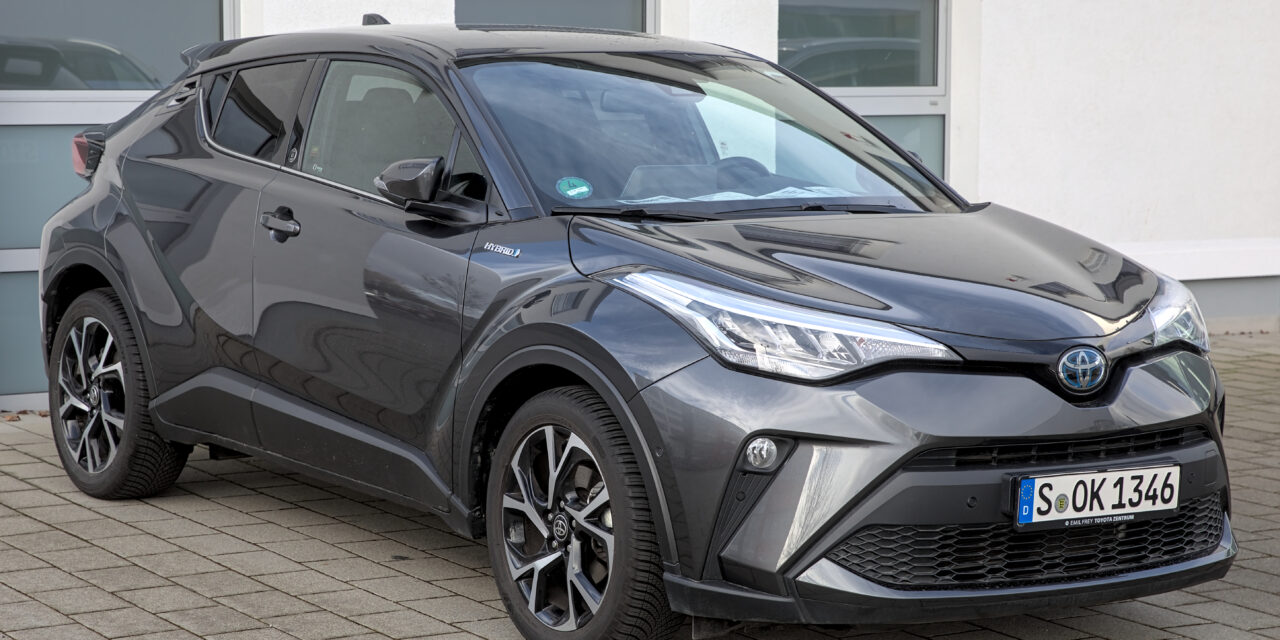
If you are shopping for a used Toyota C-HR, the appeal is obvious. It looks sharper than most family crossovers, Toyota’s hybrid system has a strong reputation, and the running costs can be refreshingly sensible if you pick the right car.
The catch is that not every C-HR is the same. Early cars have a few known weak spots, the rear cabin is tighter than the styling suggests, and the wrong engine choice can leave you with a car that is less satisfying than it first appears on the driveway.
This is the practical used Toyota C-HR checklist for UK buyers, focused on the first-generation car sold from 2016 to 2023.
Why the Toyota C-HR still makes sense as a used buy
Toyota got the basics right with the C-HR. Even now, the shape still looks modern, the cabin feels solid, and the hybrid versions suit real British driving better than many small turbo petrol rivals. Stop-start traffic, town work and mixed commuting are exactly where the hybrid drivetrain feels most at home.
The other big draw is long-term peace of mind. Toyota’s dealer-backed Relax warranty can extend cover up to 10 years or 100,000 miles if the car is serviced to the brand’s conditions, which matters if you are choosing between this and a rival small SUV with a more complicated petrol engine or patchier reliability record.
That said, the C-HR is not the roomiest choice in its class. Rear visibility is not brilliant, taller passengers may complain about the back seats, and boot space is modest at 377 litres. If you regularly carry adults in the back or need maximum luggage room, a more conventional alternative may fit your life better.
Which used Toyota C-HR should you target?
For most buyers, the sweet spot is a facelifted 1.8 hybrid from late 2019 onward.
Why that version? Because it keeps the low-stress hybrid setup that suits the car best, while the facelift brought useful upgrades including improved infotainment and smartphone connectivity. It is the easiest recommendation for buyers who want low hassle rather than maximum pace.
The later 2.0 hybrid is worth a look if you do a lot of motorway miles or you found the 1.8 too flat under hard acceleration. It is stronger and more relaxed, but usually costs more to buy.
I would be more cautious with the 1.2 turbo petrol. It is not automatically a bad car, but it is the version that deserves the most careful inspection because owner reports have included intermittent running issues and wiring-loom related headaches. Unless the price is clearly attractive and the history is excellent, the hybrid is the safer bet.
The main used Toyota C-HR problems to check
The C-HR is not a horror story, but there are a few known trouble spots that should move to the top of your inspection list.
1. Windscreen cracks and screen replacement history
Early owner reports included windscreens cracking, sometimes without an obvious stone impact, and some reports linked this to the embedded DAB antenna in the screen. On a viewing, inspect the windscreen carefully for chips, cracks, edge damage and signs of poor replacement work.
If the car has already had a new screen, that is not automatically bad news. In fact, a properly done replacement can be reassuring. What matters is whether it was fitted well, whether the trim sits neatly, and whether any driver-assistance features still work correctly afterward.
2. Condensation or faults in the infotainment screen
There have been owner reports of condensation inside the sat-nav or infotainment screen, and replacement units are not cheap. Check the display when the car is cold and again after a test drive. Look for misting, dead areas, flickering, poor touch response and any hesitation when pairing a phone.
A facelifted car is appealing partly because Toyota improved the multimedia setup, with Apple CarPlay and Android Auto added on updated models.
3. Weak 12V battery on lightly used hybrids
This catches people out. Hybrid buyers often assume the big traction battery is the only battery that matters, but the small 12V battery can give trouble on cars that do short trips, sit unused or have been parked on dealer forecourts for long stretches.
Warning signs include sluggish start-up behaviour, random warning lights, or a seller saying the battery was "only replaced because it had been standing". That may be true, but ask when it was replaced and keep the receipt if the car had a recent battery change.
4. Pre-collision and driver-assistance checks
There were owner complaints about pre-collision and city braking systems not working as expected on some early cars. Before you buy, make sure the warning-light check is clean at start-up and that no safety-system messages remain on the dash once the car is running.
If the car has had a screen replacement, bumper repair or front-end paintwork, be extra alert. Modern safety systems do not like poor calibration.
5. 1.2 turbo petrol running issues
If you are considering the 1.2 petrol, do not settle for a quick spin around the block. Some owner reports describe intermittent loss of power or revs dropping away, with attempts at fixes involving injectors, coil packs and even wiring-related work.
That does not mean every 1.2 car is troublesome, but it does mean you should insist on a proper drive from cold, on mixed roads, with paperwork that clearly shows what has and has not been repaired.
6. Tyres, wheels and trim damage
C-HRs attract style-conscious buyers, and plenty have spent their lives squeezing around kerbs. Check the alloy wheels closely for scuffs, tyre sidewall damage and mismatched brands across the axle. Cheap mixed tyres on a supposedly cherished car are a bad sign.
It is also worth checking whether the tyre size fitted is correct. Some early comments around the model highlighted awkward tyre availability on certain wheel sizes, so you do not want to inherit an odd setup.
What to check on the test drive
A used Toyota C-HR should feel easy, smooth and more refined than its dramatic styling suggests. On the move, pay attention to these points:
- Listen for suspension knocks over broken urban roads
- Check that the hybrid system transitions cleanly between electric assist and petrol power
- Make sure the CVT behaviour feels normal rather than jerky or confused
- Confirm the steering tracks straight and the car does not pull under braking
- Test the air conditioning, reversing camera, parking sensors and every steering-wheel button
- Watch for any warning messages linked to the hybrid system, safety kit or tyre-pressure monitoring
Do not judge the car by one hard acceleration run. Toyota hybrids can sound busy if you floor them, and that is normal to a point. The better test is whether the car feels smooth, quiet and consistent in ordinary driving.
Service history matters more than a shiny driveway photo
A full or near-full service record matters on any used car, but it matters even more here because Toyota’s warranty support and long-term reputation depend on maintenance being kept up properly.
Look for evidence of:
- Regular servicing at the right intervals
- Hybrid health checks if carried out by Toyota
- Brake-fluid changes and routine maintenance on time
- Receipts for battery replacement, windscreen replacement or infotainment work if those issues ever came up
- Confirmation that recall or service campaign work has been completed
If the seller says the car has "Toyota history" but cannot prove it, treat that as missing history, not a nice extra.
Best trim and engine combinations for most UK buyers
If you want the simple answer, it is this:
- Best all-rounder: facelifted 1.8 hybrid with strong service history
- Best for higher-mile drivers: 2.0 hybrid if the budget stretches
- Version to approach most carefully: early 1.2 turbo petrol without excellent paperwork
As for trim, I would rather buy a clean, well-maintained mid-spec car than a higher-spec example with patchy history, kerbed wheels and overdue servicing. The C-HR’s appeal is about low-stress ownership. Do not wreck that by chasing toys over condition.
Is the Toyota C-HR big enough for family use?
Sometimes. But this is where buyers can get carried away by the SUV shape.
The front seats are fine, the driving position is good, and the cabin quality generally holds up well. The compromise comes in the back. Rear passengers can find it dark, visibility is limited, and taller adults will notice the tighter space. The boot is usable rather than generous.
If your typical week involves one child seat, commuting and the odd supermarket run, the C-HR can work well. If you regularly travel with teenagers, a large buggy or a Labrador that expects an easy jump into the boot, it is worth trying rivals before you commit.
The verdict: is a used Toyota C-HR a smart buy?
Yes, in the right spec it absolutely can be.
The best used Toyota C-HR models combine distinctive looks, solid build quality and hybrid running costs that make day-to-day ownership pleasantly painless. That is a strong mix in the UK used market.
The smartest move is to buy on condition and history, not just age or trim. A tidy facelifted hybrid with proper maintenance is the pick of the range. An early car with warning lights, vague history and a suspiciously fresh battery is the sort of bargain that can stop being a bargain very quickly.
If you want a small SUV that feels different from the usual default choices, the C-HR still deserves a place on your shortlist. Just inspect it with your eyes open rather than assuming every Toyota is automatically trouble-free.