A bonnet that will not open is more than an irritation when the screenwash is low or a warning light appears. The usual culprit is mundane: a stretched or broken release cable, a sticky safety catch, a latch that is out of adjustment, or a handle that is no longer moving the cable properly. The wrong response is to turn it into a damaged grille, bent bonnet or broken catch.
This is a job where a little restraint can save a surprisingly large bill. The aim is to establish whether the latch is simply under load, whether the release mechanism has failed, and when the car should go straight to a garage or recovery service.
Start with the question that changes everything
Is there an urgent reason to get under the bonnet? If the engine-temperature warning is on, there is steam, a smell of burning, a fuel smell or smoke, stop in a safe place and do not keep driving merely because the bonnet is shut. Call for assistance.
The Highway Code warns drivers not to open the bonnet of a vehicle fire because doing so can make the fire flare. That is a useful rule of thumb even before a fire is confirmed: do not put your hands near a hot, smoking or potentially fuel-leaking engine bay.
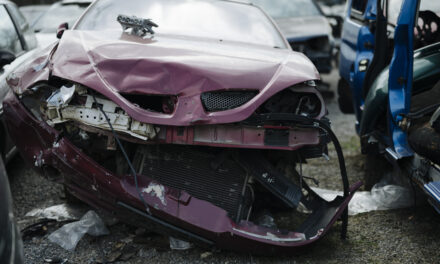
If there is no warning light or safety concern, you have time to avoid forcing the issue. Do not wedge tools between the bonnet and grille, pull hard on a cable you cannot see, or try to defeat the safety catch from the front. Modern front ends contain painted panels, plastic trims, radiators, air-conditioning condensers and sensors. A cheap latch fault can become an expensive cosmetic and cooling-system repair very quickly.
First, rule out a bonnet that is only under tension
Park on level ground, select Park or neutral with the parking brake applied, and switch the engine off. Let a recently driven car cool before doing anything around the front edge.
Use the interior bonnet-release handle once, firmly but without a sudden yank. Then check whether the bonnet has popped up by a few millimetres. On some cars, a second person can apply light, even pressure on the front of the closed bonnet while the driver operates the interior release. The point is only to take load off the latch, not to lean heavily on the panel or bounce it.
If the bonnet releases to its safety catch, use the normal external catch in the usual way. Do not drive with the bonnet resting only on that catch. Close it gently, then test that it has latched securely before setting off.
What the symptoms usually suggest
The feel of the interior handle gives a useful clue, but it is not a diagnosis on its own.
| What you notice | What it can indicate | Sensible next step |
|---|---|---|
| The handle feels normal but the bonnet does not pop | A dry, seized or misaligned latch, or pressure on the catch | One careful attempt with light pressure on the bonnet, then book inspection if it stays shut |
| The handle suddenly feels loose or moves with almost no resistance | A detached, stretched or broken cable, or a failed handle connection | Stop pulling it and arrange a garage or breakdown technician |
| The handle is very stiff | A corroded cable or sticking latch | Do not force it. A garage can assess the cable and latch without damaging the front end |
| The bonnet pops but the safety catch will not move | A dirty, corroded or damaged secondary catch | Avoid driving until it is properly closing and releasing |
A broken cable is especially easy to make worse. Continuing to pull can fray the remaining strands or damage the handle assembly, leaving less for a technician to work with.
When not to drive the car
A shut bonnet does not automatically make a car illegal to drive, but it can make it unsafe or impractical to continue. Do not drive if you have an overheating warning, a low-coolant warning, oil-pressure warning, smoke, steam, a fuel smell or any sign of a fluid leak. You cannot make the necessary checks or top up safely with the bonnet locked.
It is also sensible not to drive if you cannot confirm the bonnet is fully latched after an earlier attempt to open it. A bonnet that is only partially secured can lift at speed and block the windscreen.
Screenwash is another practical limit. If the reservoir is empty and the road is wet or salty, postpone the journey or use another vehicle until it can be filled. A clear windscreen is not optional.
What a garage will normally check
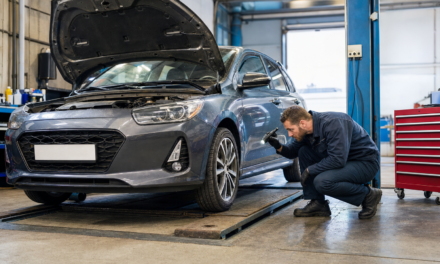
A competent garage will start with the release handle, cable route, latch and secondary catch. Depending on the car, access may be gained from underneath or through a manufacturer-specific service route rather than by attacking the visible edge of the bonnet. Once open, the technician should inspect the latch mounting, cable ends, spring action and alignment between the bonnet striker and latch.
The repair may be as simple as cleaning, lubricating and adjusting the latch. If the cable has stretched, frayed or snapped, replacement is usually the sensible repair. Ask the garage to check both the primary latch and the secondary safety catch before returning the car, and to demonstrate that the bonnet releases and relatches cleanly.
If damage was caused by a collision, even a minor front-end knock, mention it. A bonnet that suddenly stops releasing after an impact can point to shifted alignment rather than an isolated cable problem.
Before you authorise work
Ask three plain questions:
- Is the cable, handle, latch or bonnet alignment at fault? A clear answer helps you judge whether the quote matches the work.
- Will the repair include testing the secondary safety catch? It should.
- Have adjacent components been checked for damage? This matters if the garage has had to gain access from below or remove trim.
Avoid agreeing to a bonnet replacement before the latch and alignment have been inspected. A bent striker or failed cable can mimic a much bigger problem. Equally, do not accept lubrication alone if the cable is visibly damaged or the latch cannot be made to operate reliably.
Keep the next fault from becoming a roadside problem
Once fixed, open the bonnet periodically as part of routine checks rather than waiting until a warning light forces the issue. Check that the interior handle has a consistent feel, the bonnet releases without excessive effort and the secondary catch engages properly when closing. Have the latch mechanism inspected if it starts to feel sticky, particularly on an older car exposed to winter road grime.
The key point is simple: a stuck bonnet is usually repairable, but improvising with tools around the latch can make it far costlier. If a gentle, normal release attempt does not work, a garage-first approach is the sensible one.
For official vehicle-safety guidance, see the Highway Code’s vehicle maintenance annex.