If an insurer says your car is a write-off, that does not always mean it must disappear into a breaker’s yard. With some write-off categories, it may be possible to keep it, repair it and put it back on the road. But it is not an automatic right, and it can be a poor financial decision if you agree before asking a few very specific questions.
The short answer is this: a Category S or Category N car can usually return to the road once properly repaired and roadworthy. Category A and Category B vehicles cannot be repaired for road use. Whether you, rather than the insurer or its salvage agent, get to keep a repairable car is a separate question governed by the insurer’s process and the settlement it offers.
Start with the category, not the settlement figure
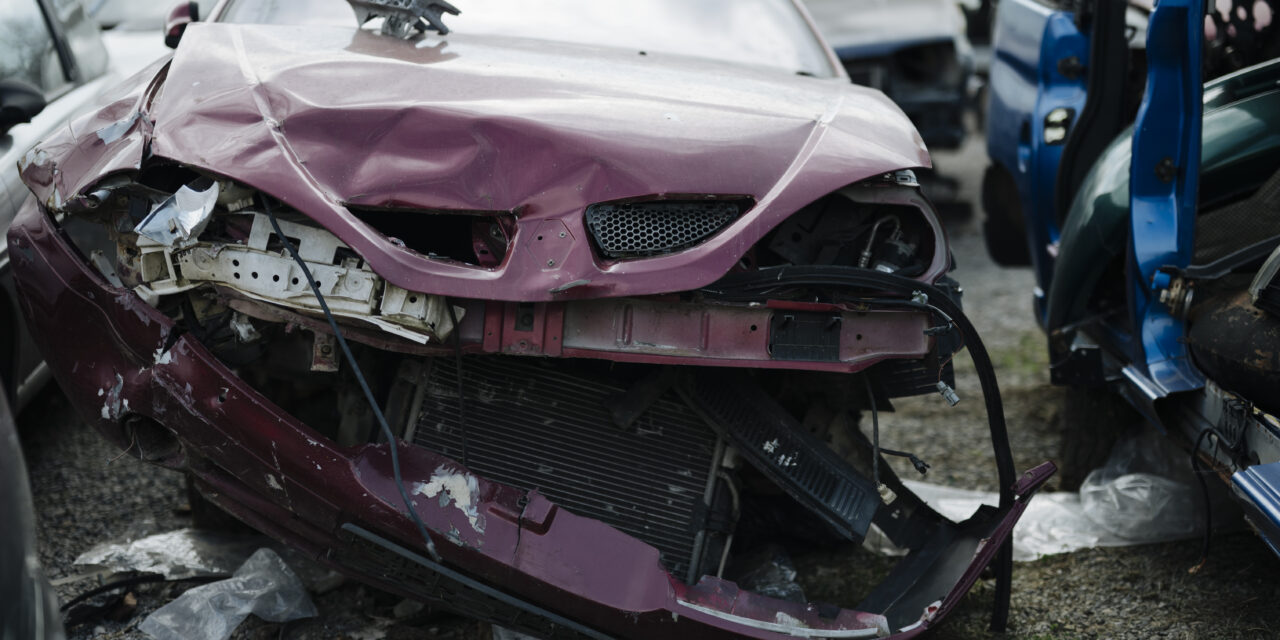
GOV.UK says an insurer writes off a vehicle when it pays its current value instead of meeting the repair cost. The insurer decides whether to write it off, then tells you the category and the payment it proposes. That category matters more than the phrase “write-off”.
| Category | What it means in practice | Can it go back on the road? |
|---|---|---|
| Cat A | The vehicle cannot be repaired. | No. The whole vehicle must be crushed. |
| Cat B | The bodyshell cannot be repaired for road use, though some parts may be salvaged. | No. |
| Cat N | Non-structural damage. It can be repaired. | Yes, if it is repaired to a roadworthy condition. |
| Cat S | Structural damage. It can be repaired. | Yes, if it is repaired to a roadworthy condition. |
Do not confuse “non-structural” with “minor”. Cat N is an insurance damage classification, not a guarantee that the bill is small or that every safety system escaped damage. Equally, Cat S does not mean a car is automatically unsafe forever. It means the damage was structural and any repair needs a much higher level of evidence and care.
For the official definitions and the paperwork steps, see GOV.UK’s written-off vehicle guidance.
Can you ask to keep a Cat S or Cat N car?
Yes, ask the insurer as soon as it raises the write-off decision. The usual phrase is that you want to retain the salvage. The insurer may agree, but it does not have to. Its policy terms, salvage arrangements and the particular vehicle all matter.
If it agrees, the insurer normally deducts the vehicle’s salvage value from the cash settlement. In plain English, it pays less because you are keeping an asset it could otherwise sell to a salvage company. Get the following in writing before you accept:
- the pre-accident valuation used for the settlement
- the exact salvage-retention deduction
- the write-off category
- whether the insurer will release the vehicle directly to you
- who is responsible for recovery, storage and delivery charges
- what it needs from you about the V5C and DVLA notification
A retained car may be economical when the damage is cosmetic, you know its history well and you have a trusted repairer. It is less attractive when airbags, seat-belt pretensioners, suspension mounting points, high-voltage components or advanced driver-assistance sensors are involved. A cheap repair quote is not a substitute for an accurate one.
Do not accept the valuation just to keep the car
The settlement and the decision to retain the vehicle are connected, but they are not the same negotiation. First check whether the insurer’s market valuation is fair. Compare like-for-like cars, not merely the cheapest advert you can find. Match the registration year, trim, engine or battery size, mileage, condition and optional equipment where possible. Save dated adverts and invoices for valuable recent work.
If the valuation is too low, challenge it before agreeing the final settlement. Explain why each comparable is relevant and ask the insurer to review its evidence. Do not spend money repairing the car until you know the insurer has released it to you and the ownership and paperwork position is clear.
The V5C and private registration question
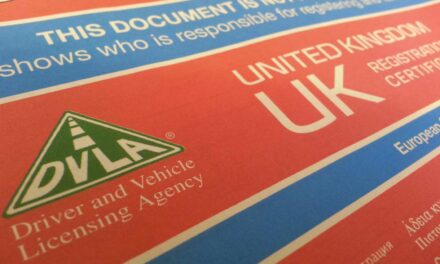
The V5C is not proof of ownership, but it is still important in this process. GOV.UK says you should send the log book to the insurer and keep the yellow “sell, transfer or part-exchange your vehicle to the motor trade” section. You must also tell DVLA that the vehicle has been written off. Follow the current instructions from the insurer and DVLA rather than guessing which sections apply to your case.
If the car carries a private registration you want to keep, apply to take the number off before the car is disposed of. Leaving it until after the insurer or salvage agent has taken control can make an already stressful process much harder. Check the number-plate rules and eligibility with DVLA before you settle.
A new MOT is not a repair certificate
A Cat S or Cat N car can be used again only when it is roadworthy. A valid MOT is useful, but it is not proof that every crash repair has been completed correctly. An MOT is a safety inspection at the time of the test, not a forensic check of the accident repair.
Before returning a retained write-off to the road, keep a proper file containing:
- the insurer’s category and settlement correspondence
- itemised repair estimates and final invoices
- photographs taken before, during and after repairs
- evidence of replacement safety parts, especially airbags, seat belts and sensors
- wheel-alignment or geometry reports where the impact could have affected suspension or steering
- any diagnostic report showing warning lights and safety systems have been checked
For a Cat S car, it is sensible to use a repairer with the equipment and experience to measure and repair structural damage. If the repairer cannot explain how it has checked alignment, corrosion protection, restraint systems and calibration, get a second opinion.
Tell the next insurer the truth
A repaired Cat S or Cat N vehicle can be harder and sometimes more expensive to insure. Insurers price risk differently, so do not assume your existing company will cover it on the same terms. Tell an insurer the car is recorded as a write-off whenever it asks, and answer its questions accurately. Non-disclosure can create a far bigger problem if you later need to claim.
Before paying for repairs, get quotes using the correct registration and category information. Ask whether the policy includes comprehensive cover on a previously written-off vehicle, whether it has any special excess or valuation terms, and whether it will insure the car while it is off the road awaiting repairs.
Think about resale before you keep it
A Cat S or Cat N marker stays in the vehicle’s history. That is why a repaired write-off should generally be worth less than an equivalent car with no damage record. The size of the discount depends on the model, severity and quality of documentation, but the key point is durable: the next buyer will want to know.
If you retain the vehicle, save the evidence that lets a future buyer assess it properly. Be frank in any advert, describe the category accurately and show invoices rather than relying on “professionally repaired” as a vague reassurance.
This is also the moment to consider an independent inspection. A pre-purchase-style inspection after repair can be valuable if you did not manage the work yourself or if the damage was structural. It will not erase the category, but it can expose obvious concerns before you commit further money.
When retaining the car is usually the wrong move
Walk away from the retention idea if any of these apply:
- the insurer will not release the car on workable terms
- the repair estimate relies on unknown used safety parts or skips diagnostic work
- there is likely water, fire, battery or major structural damage
- the repair cost plus the reduced settlement exceeds the car’s realistic post-repair value
- you need a straightforward car to sell soon
- you cannot obtain suitable insurance at a sensible price
It can feel wasteful to let a familiar car go, especially if the visible damage looks modest. But the right comparison is not the settlement against your emotional attachment. It is the total cost, risk and future value of retaining it against buying an undamaged replacement.
A sensible order of actions
- Ask the insurer for the category, valuation and retention terms in writing.
- If you want to keep a personalised registration, deal with it before disposal.
- Obtain an independent, itemised repair assessment.
- Compare the reduced settlement plus repair, recovery, insurance and resale effects with replacing the car.
- Only then accept or reject the retention offer.
- If you retain a Cat S or Cat N car, complete the DVLA steps, repair it properly and keep the evidence.
Keeping a repairable write-off can be sensible, but it is a decision for people who have the numbers, the paperwork and the repair route under control. If any one of those is vague, taking the settlement and moving on is often the safer answer.