Parking opposite a driveway can feel harmless: you are not over the dropped kerb, there are no yellow lines and the road looks wide enough. But that is not the whole test. A vehicle opposite an entrance can make it genuinely difficult, or sometimes unsafe, for another driver to turn in or out. It may also fall foul of a nearby restriction that is easy to miss.
The short answer is that there is no single UK-wide rule saying every space opposite every private driveway is automatically illegal. That does not make it a free parking space. The sensible question is whether your car creates an obstruction, compromises the junction or conflicts with local controls.
Opposite is different from across or in front
This distinction matters. Parking across a dropped kerb or directly in front of an entrance blocks the access itself. Parking opposite it means your car is on the other side of the carriageway.
Even so, the Highway Code’s parking rules say drivers should not park where they would cause unnecessary obstruction. Rule 243 also says not to park opposite or within 10 metres of a junction, except in an authorised parking space. A driveway is not automatically a junction, but many driveways sit close to one.
So, do not treat an unmarked stretch of kerb as an answer in itself. Look at the whole layout.
When parking opposite a driveway becomes a bad idea
Move on if any of these apply:
- The road is narrow. A resident may not be able to get a normal family car, van or emergency vehicle through the remaining gap without crossing the centre of the road or mounting the kerb.
- The driveway is close to a junction. The Highway Code’s 10-metre guidance is especially relevant here. A parked car can hide an emerging vehicle or force turning traffic into a poor position.
- Your car would leave a pinch point. This is common where there are parked cars on both sides, a traffic island, a build-out or a bend.
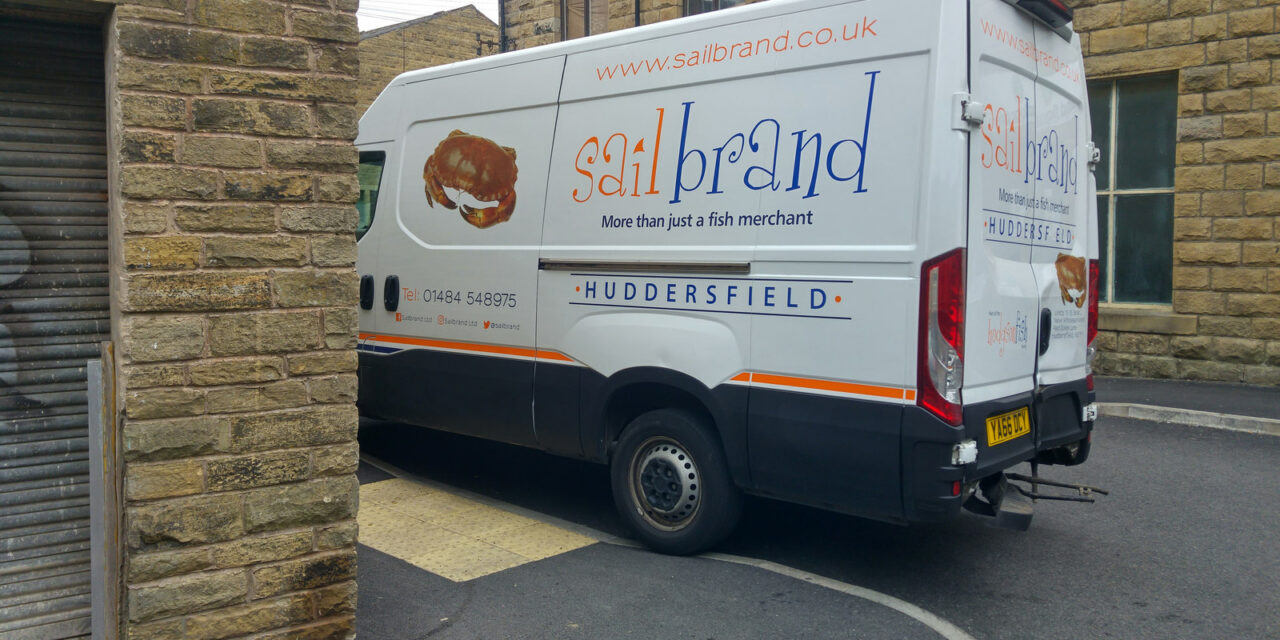
- A large vehicle regularly uses the entrance. A delivery van, wheelchair-accessible vehicle or car towing a trailer needs more turning room than a small hatchback.
- Signs or markings impose a restriction. Yellow lines, resident bays, permit controls, clearway restrictions, red-route rules and temporary signs apply whether or not there is a driveway opposite.
- The dropped kerb helps pedestrians rather than vehicles. Do not assume it is a private entrance. A tactile-paved crossing point needs to be kept clear and usable.
The fact that another driver might squeeze through is not a particularly good standard. If the manoeuvre depends on them taking a blind swing around your car, reversing into traffic or clipping a kerb, choose another space.
Could you get a ticket?
It depends on the precise location and the local traffic order. Councils can enforce marked and signed parking restrictions, and a vehicle that causes an obstruction can attract police attention. A resident cannot issue a parking fine just because they dislike where you have parked, but they can report a genuine access or obstruction problem.
There is a sharper rule north of the border. The Highway Code notes that in Scotland drivers must not double park, subject to limited exceptions. That is not simply another name for parking opposite a driveway, but it is a reason to be particularly careful where a car would sit beside another parked vehicle and narrow the carriageway.
Do not rely on the idea that you are only stopping for a few minutes. Restrictions may apply to waiting as well as longer-term parking, and the practical obstruction is no less awkward while you are in a nearby house or shop.
A 30-second check before you walk away
- Check the signs and kerb markings first. They determine the restriction, not a neighbour’s preference or an online rule of thumb.
- Look both ways for a junction, crossing, bus stop, bend or traffic island. These can make an otherwise ordinary space unsuitable.
- Picture a car leaving the driveway. Could it turn out while staying sensibly on its side of the road?
- Leave more room than a hatchback needs. You may not know who uses the entrance or when.
- Avoid blocking the dropped kerb itself. This is the clearest access problem and can have its own enforcement consequences.
- If you are unsure, park elsewhere. The extra minute on foot is usually cheaper than a dispute, a penalty or a damaged mirror.
What if someone has parked opposite your driveway?
Start with the practical question: can you still enter or leave safely? If you can, it is usually better not to escalate a disagreement over a space that is merely inconvenient. Take a photo showing the road layout and any signs if the vehicle appears to create a real obstruction or breach a restriction.
Do not block the other car in, damage it or take matters into your own hands. If access is genuinely blocked or there is a safety concern, contact the relevant council parking service or police non-emergency route as appropriate. Use 999 only where there is an immediate danger or an emergency response is being obstructed.
The sensible rule
Parking opposite a driveway is not automatically unlawful across the UK, but it is not automatically considerate or safe either. Read the signs, respect nearby junctions and leave enough room for a normal vehicle to make a normal manoeuvre. If the available space turns a straightforward exit into a three-point turn in traffic, it is the wrong place to park.
For the official baseline, see Highway Code Rules 240 to 244. Local council restrictions can be stricter, so check the signs at the location rather than relying on a general rule.