
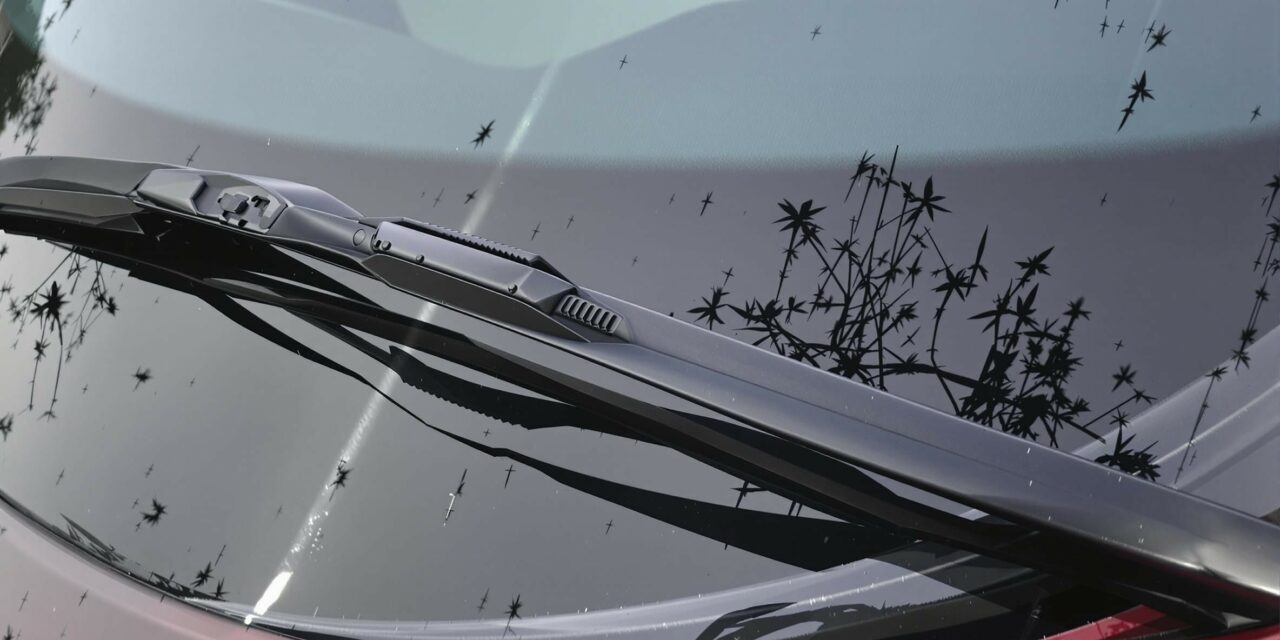
If you want the short answer, the best wiper blades for most UK drivers in 2025 are quality beam blades that match your exact fitting type and length. Good blades usually cost about £18 to £55 a pair, and getting the right fit matters far more than chasing the most expensive name on the shelf.
What makes a wiper blade worth buying?
The UK is hard on wiper blades. Cold starts, motorway spray, salt, gritty winter roads and long damp spells all punish cheap rubber. That means the best buy is rarely the absolute cheapest pair. It is the one that:
- fits your arm type properly
- clears the screen quietly at speed
- copes with winter grime and greasy film
- does not chatter after a few weeks
- is easy to replace without adaptor nonsense
For most modern cars, beam blades are the safe default. They sit flatter against the glass, usually work better at speed and tend to be quieter than bargain conventional blades.
The strongest 2025 picks for most drivers
If you want a sensible shortlist, these are the types of products worth checking first:
- Bosch Aerotwin or Bosch Icon for dependable all-round use
- Trico Flex for good value beam-blade performance
- Rain-X Latitude or Silicone Endura if you want stronger wet-weather behaviour
- PIAA silicone blades if you do high mileage and want longer life
That does not mean every blade from every brand is a winner. It means these are the names that usually make sense before you get lost in generic marketplace listings.
Best by use case
Best all-round choice
A mainstream beam blade from Bosch or Trico is usually the easiest answer. You get predictable fitment, decent longevity and less chance of annoying streaking after a month.
Best for winter and motorway miles
Silicone or higher-spec beam blades can make more sense if you do lots of dark, wet A-road and motorway work. They usually cost more, but the better edge retention can be worth it.
Best budget choice
A cheaper blade is fine if the car does low miles, but do not drop right to the no-name end of the market. Cheap blades often save only a few pounds and then remind you why they were cheap every time it rains.
What to check before you order
This is where most buying mistakes happen.
Before ordering, confirm:
- driver-side length
- passenger-side length
- rear-blade size if your car uses one
- your arm fixing type, such as hook, top lock, side pin or push button
- whether your car needs an asymmetrical set
A blade can be well reviewed and still be wrong for your car. Fitment matters more than stars.
When should you replace wiper blades?
For UK conditions, a rough rule is every 6 to 12 months, but the real answer is to replace them when they stop doing the job properly.
Common signs include:
- streaks across the driver’s view
- juddering or chattering
- missed patches at the top or edge of the screen
- squeaking on a clean wet screen
- split or hardened rubber
If the blades are marking the glass badly enough to affect visibility, stop treating it as a cosmetic issue. It is a safety issue.
Do not ignore the screen itself
Blades get blamed for everything, but some wiping problems come from:
- wax or traffic film on the screen
- blocked washer jets
- worn wiper arm springs
- a chipped or pitted windscreen
If a fresh pair still smears badly, clean the screen properly and check the rest of the system before throwing more blades at it.
What I would buy
For a normal family hatchback, small SUV or daily commuter in the UK, I would usually start with a Bosch Aerotwin-style beam blade set if one is available for the exact arm type. It is the least dramatic answer, but it is often the right one.
If your car spends a lot of time outside and does regular motorway work, stepping up to a better silicone or premium beam option can make sense. If the car is older and low-value, a solid mid-range Trico-style choice is usually enough.
More on Motoring Mojo
- Washer jet blockage: quick fixes before your MOT
- Peugeot 208 wiper blade MOT fail: what testers look for
- Windscreen chip MOT fail UK: when it passes and when it does not
FAQ
Are expensive wiper blades always better?
No. The big jump is usually from very cheap blades to decent branded beam blades. After that, gains are more about longevity and noise control than a dramatic leap in wiping performance.
Should I replace both front blades together?
Yes, in most cases. If one blade has worn out, the other is usually not far behind. Replacing the pair keeps wiping balanced and makes it easier to judge whether any remaining problem is really the blade or something else.
Can worn wiper blades fail an MOT?
They can if they do not clear the screen effectively enough for the driver to see the road properly. If the rubber is torn, smeary or missing sections, replace them before test day rather than hoping for the best.




Trackbacks/Pingbacks