
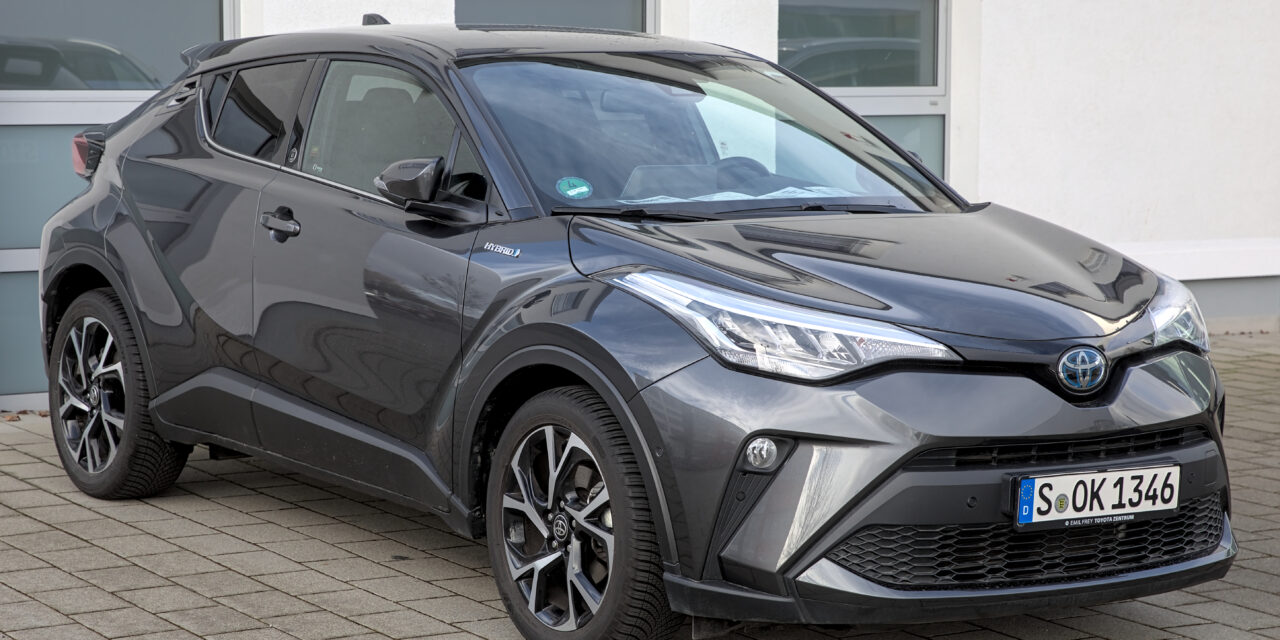
Used Toyota or Lexus hybrid on the shortlist? Check the battery cover, not just the fuel economy
Used Toyota and Lexus hybrids have become an easy recommendation in the UK for one simple reason. They promise sensible fuel bills without asking you to plug in at home, and the best ones feel as easy to live with as any ordinary petrol hatchback or SUV.
That is the good part.
The part buyers miss is that the clever bit, the high-voltage battery and hybrid system, deserves proper paperwork. A tidy advert, a smooth test drive and a claimed 60mpg are not enough on their own, especially once the car is a few years old.
If a dealer or private seller is pushing the economy story, ask about the battery cover next. On many Toyota and Lexus hybrids, that question matters more than the mpg figure on the windscreen.
The short version
- Ask whether the car has current Toyota or Lexus service-activated warranty cover, not just whether it once had a manufacturer warranty.
- Ask for proof of the latest Hybrid Health Check where the brand offers one.
- Read the service history properly, especially if the seller says the battery is still covered.
- Check the MOT history and recall record before you travel or leave a deposit.
- Be more cautious with older high-mileage cars that have patchy servicing, taxi history or vague answers about hybrid checks.
Why this matters on Toyota and Lexus hybrids in particular
Toyota says every eligible vehicle can receive up to 10 years or 100,000 miles of warranty cover through a mix of manufacturer warranty and service-activated warranty, provided qualifying servicing is kept up at an official Toyota centre. Toyota also says the Hybrid Health Check forms part of scheduled servicing on hybrid models, with hybrid battery and component cover up to 10 years or 100,000 miles, and potential extension up to 15 years through a stand-alone scheduled Hybrid Health Check.
Lexus runs a similar system. Lexus says it offers up to 10 years or 100,000 miles of warranty protection through qualifying servicing at an approved Lexus centre. For hybrid vehicles, Lexus says the service includes a Hybrid Health Check, with hybrid component and battery cover included up to 10 years or 100,000 miles if eligible, and then extendable up to 15 years and unlimited mileage by having a Hybrid Health Check.
That does not mean every used Toyota or Lexus hybrid automatically has great battery cover today. It means some do, some do not, and the difference can be worth real money.
The question to ask before you start haggling
Ask this plainly:
Is the hybrid battery cover active right now, and what paperwork proves it?
A confident seller should be able to show one or more of these:
- recent dealer service invoice
- record of a Hybrid Health Check
- proof the car has stayed within the brand’s servicing conditions for continued cover
- confirmation of when the next service is due
If the answer turns into guesswork, treat that as useful information. A hybrid can still be worth buying without active cover, but the price should reflect the extra risk.
Do not confuse a smooth drive with a well-backed car
A used hybrid that drives nicely for 20 minutes can still be a poor buy if the paperwork is weak. That is why this is not just a test-drive story.
On the drive, you still want the basics:
- no warning lights for the hybrid system, engine or battery
- smooth transitions between petrol power and electric assistance
- no obvious hesitation, shuddering or drivetrain clunks when moving away
- braking that feels consistent rather than oddly grabby or unpredictable
- cooling fans and cabin systems working normally
But once that part is done, go back to the documents. A clean drive is reassuring. Documented hybrid cover is better.
Read the service history with a hybrid buyer’s eye
This is where plenty of buyers switch off too early.
A stamped book or a stack of invoices is only useful if it tells you who serviced the car, when it was done and whether the servicing pattern fits the warranty story being sold. If the seller says the car still benefits from Toyota or Lexus backing, the service record should support that claim.
If the history is digital rather than paper, verify it properly. Motoring Mojo recently covered how to check digital service history before you buy a used car, and the same rule applies here. Do not accept a vague promise that the records are "on the system" without seeing them.
Use the free government checks as part of the battery conversation
This is not because the GOV.UK tools can tell you direct battery health. They cannot. It is because they help you spot whether the rest of the car’s story stacks up.
Start with the free MOT history check. Repeated advisories or signs of neglect do not prove a hybrid battery problem, but they can tell you a lot about how carefully the car has been looked after overall.
Then run the free vehicle recall check. If there is an outstanding recall on a used hybrid, get that sorted or factored into your buying decision before money changes hands.
When a high-mileage hybrid can still make sense
Do not automatically reject a hybrid because the odometer looks ambitious.
A well-documented Toyota or Lexus hybrid with proper servicing, recent dealer paperwork and evidence of health checks can be a safer bet than a lower-mileage example with patchy history and no clear warranty position. Mileage matters, but proof matters more.
That is especially true in the UK market, where many of these cars have spent their lives doing predictable commuter or motorway work rather than hard short-trip abuse.
When to slow down or walk away
Be cautious if any of the following show up:
- the seller cannot explain whether hybrid cover is active
- there is no evidence of recent brand-correct servicing where continued cover is being claimed
- warning lights appear on startup or during the test drive
- the car has obvious taxi or private-hire wear and the history is thin
- the advert leans heavily on fuel economy but says almost nothing about battery checks or warranty status
None of those points automatically kill the deal, but together they can turn a clever hybrid buy into a weak one.
The price conversation buyers often miss
If two similar Yaris, Corolla, C-HR or Lexus hybrid models are advertised at different prices, do not look only at mileage and trim. Ask which one has current cover, which one has the better recent dealer history and which one comes with the clearest battery paperwork.
That is often where the real value gap sits.
A cheaper hybrid with no clear cover and no usable proof may not be the bargain it first appears to be. A slightly pricier one with documented health checks and active warranty support may be the smarter long-term buy.
The bottom line
Used Toyota and Lexus hybrids can be excellent UK buys, but the clever move is to treat the hybrid paperwork as part of the car, not as an afterthought.
If the seller can show clear servicing records, current eligibility and proper Hybrid Health Check evidence, you can talk price with much more confidence. If they cannot, do not let a flattering mpg claim do the selling for them.



Trackbacks/Pingbacks