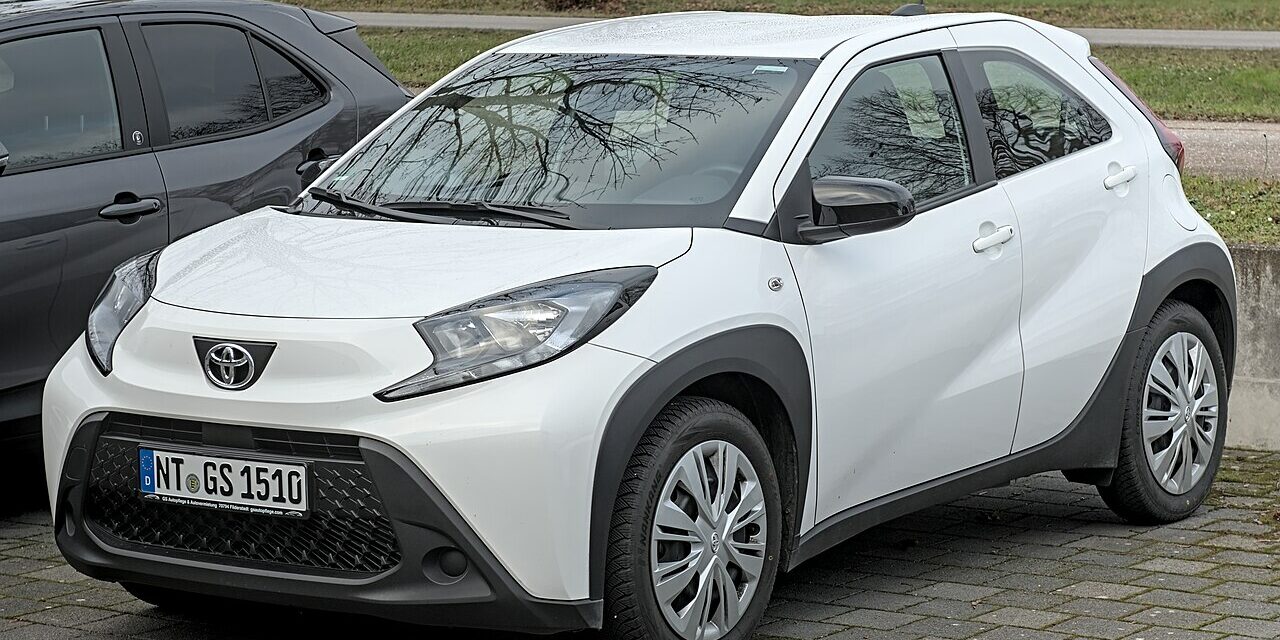
The Toyota Aygo X used to be an easy car to place. It was the stylish, slightly crossover-flavoured city car you bought because you wanted Toyota dependability, liked the higher driving position and could live with a modest 1.0-litre petrol engine.
That neat little formula has changed. The latest UK Aygo X now uses a 1.5-litre hybrid powertrain with 116hp, automatic transmission as standard and official fuel economy of up to 76.3mpg. It is far quicker and more grown-up than the earlier car, but it also starts at £21,645 in the UK.
That creates a proper buying dilemma. Do you stretch to the new hybrid, or take the cheaper route and buy an earlier petrol Aygo X used?
The short answer
If you want the best Aygo X to actually live with, and your budget can handle it, the hybrid is the one to have. It fixes the old car’s main weakness, which was performance outside town, and it should suit stop-start urban driving extremely well.
If your priority is keeping monthly costs and upfront spend down, the earlier petrol Aygo X still has a case. It is smaller-money motoring, it is simple, and for mainly urban use it can still be a sensible buy. You just need to go in with realistic expectations.
Why the new hybrid changes the picture
Toyota’s own UK figures tell the story. The current Aygo X Hybrid gets 116hp, 87 to 89g/km of CO2, and an official 70.6 to 76.3mpg depending on version. Toyota also quotes 0 to 62mph in 9.2 seconds. In a car this small, that is not just a numbers win on paper. It changes how relaxed the car should feel joining faster roads, carrying passengers or climbing out of town without sounding strained.
It also means the Aygo X has moved away from being a cute budget choice and closer to being a genuinely polished small automatic for buyers who spend most of their time in urban and suburban traffic.
The new line-up is simple enough. Icon is the entry point, then Design, Excel and GR SPORT. For most buyers, Icon or Design looks like the sweet spot. They give you the hybrid powertrain without pushing the price too close to larger and more capable hatchbacks.
That last point matters. Once you are spending mid-£20,000 money on an Aygo X, you should at least compare it with bigger alternatives. The hybrid Aygo X makes sense because it is easy to drive, frugal and compact, not because it is a bargain.
When the cheaper used petrol Aygo X still makes sense
There is still a clear buyer for the earlier petrol Aygo X.
If you mainly do short local trips, need something easy to park, want Toyota reliability and simply do not want to spend more than £20,000 on a city car, the used petrol model remains relevant. It is the right answer for buyers who care more about low purchase price than brisk performance.
The catch is that you should think of it as a town car first and a motorway car second. The older engine is perfectly usable, but it does not have the easy shove of the new hybrid. That matters if your week includes dual carriageways, full loads or regular long trips.
In other words, the used petrol Aygo X still works when your expectations fit the car. Buy it because it is compact, economical and easy to own. Do not buy it hoping it will feel like a bigger supermini on the open road.
The used checks that matter most
Whether you are looking at an older petrol Aygo X or waiting for early hybrid cars to hit the used market, the priorities are fairly straightforward.
1. Check the wheels and tyres closely
Cars like this spend a lot of time in towns, squeezing through tight streets and brushing kerbs. Scuffed alloys are not a disaster, but badly marked wheels can hint at careless ownership. Check for uneven tyre wear too, because a supposedly cheap city car gets less cheap once it needs a full set of tyres and alignment work.
2. Be honest about how the engine feels on your route
On an older petrol car, do not stop the test drive after five minutes around town. Take it onto a faster road and see whether you are comfortable with the way it gathers speed. Some buyers will be fine with it. Others will know within one slip road that they should either buy the hybrid or choose a different car.
3. Make sure the transmission suits you
The new hybrid is automatic only, which will suit a lot of UK buyers. On older cars, pay close attention to how the gearbox responds and whether it matches the kind of driving you do. A cheap used example is not a bargain if you already know the powertrain annoys you.
4. Inspect the cabin for real-world wear
The Aygo X is small, but families still use them hard. Check seat bolsters, steering wheel wear, boot trim and rear-seat plastics. It will not tell you everything about the car, but a scruffy cabin on a relatively modern Toyota is often a clue that the rest of the ownership story may be less tidy than the advert suggests.
5. Test every camera, sensor and screen
Modern small cars are full of kit that owners stop mentioning because it is supposed to just work. Reverse camera, parking sensors, infotainment connection, steering-wheel buttons and driver-assistance features all need testing. On a city car, parking aids are not fluff. They are part of the appeal.
6. Run a recall check and ask about servicing
Do not assume a Toyota badge means you can skip the paperwork. Use the official GOV.UK recall checker and ask for evidence of routine servicing, especially if the seller leans heavily on the brand’s reliability reputation instead of showing invoices or digital history.
7. Check whether the practicality is enough for real life
Toyota quotes a 231-litre boot, which is useful for a car this size, but the Aygo X is still a small car. If you regularly carry adults in the back, bulky buggies or weekly family luggage, make sure the car suits your life before the style and economy sell it to you.
Which one would I buy?
If I were choosing with my own money, I would split the decision by budget rather than badge loyalty.
If I had the budget for a new car and specifically wanted a small automatic for town and suburb work, I would buy the hybrid Aygo X and keep the spec sensible. The extra performance and better day-to-day refinement are exactly what the old car needed.
If I wanted the Aygo X idea but could not justify £21,645 and up, I would buy a used petrol one only after a test drive that included faster roads. In that case, condition, service history and tyre health would matter more to me than chasing a flashy trim.
Verdict
The arrival of the hybrid has made the Toyota Aygo X a better car, but not automatically the better buy for everyone.
The new hybrid is the easy recommendation for buyers who can afford it and want a polished small automatic that feels happier beyond city limits. The older petrol car still makes sense for tighter budgets and urban use, but it is now the compromise choice rather than the clever default.
That is why this decision is actually quite simple. If your budget stretches, buy the hybrid. If it does not, buy the older petrol car with your eyes open and your test drive done properly.