
A modification is not just a remap, lowered suspension or a loud exhaust. It can be anything that leaves the car different from the manufacturer’s standard specification, and insurers do not all draw the line in the same place. That is why a set of replacement alloys, an aftermarket stereo, a dash cam hard-wired behind the windscreen or a tow bar deserves a quick conversation before you fit it.
The useful rule is simple: if the car is not as it left the factory, ask your insurer whether it needs to be declared. Do that before ordering the part, not after a claim. The answer may be that it makes no difference. It may change the premium or terms. It may mean that insurer is not the right fit. All three are much easier to deal with while the car is still on the driveway.
What insurers usually mean by a car modification
In insurance language, a modification is generally a change from the maker’s original, standard specification. The important word is standard. A part can be legal, professionally fitted and sensible, yet still be something the insurer wants to know about.
Common examples include:
- different alloy wheels or a change in wheel size
- lowered or raised suspension, spacers and other chassis changes
- engine remaps, tuning boxes, turbo changes and performance exhausts
- body kits, spoilers, wraps, decals and non-standard paint
- tow bars, roof bars or other permanently fitted accessories
- upgraded stereos, speakers, alarms, trackers and immobilisers
- hard-wired dash cams, parking cameras and lighting changes
- disability adaptations and camper or van conversions.
This is not a universal checklist. One insurer may want a hard-wired dash cam recorded while another may not. A factory option listed on the original build sheet is not normally the same thing as an aftermarket change, but still make sure your quote describes the exact car you own. If the sales advert says “upgraded wheels”, “stage 1” or “sports exhaust”, do not rely on the seller’s view that it is harmless.
The easy changes that catch people out
Alloys and tyres
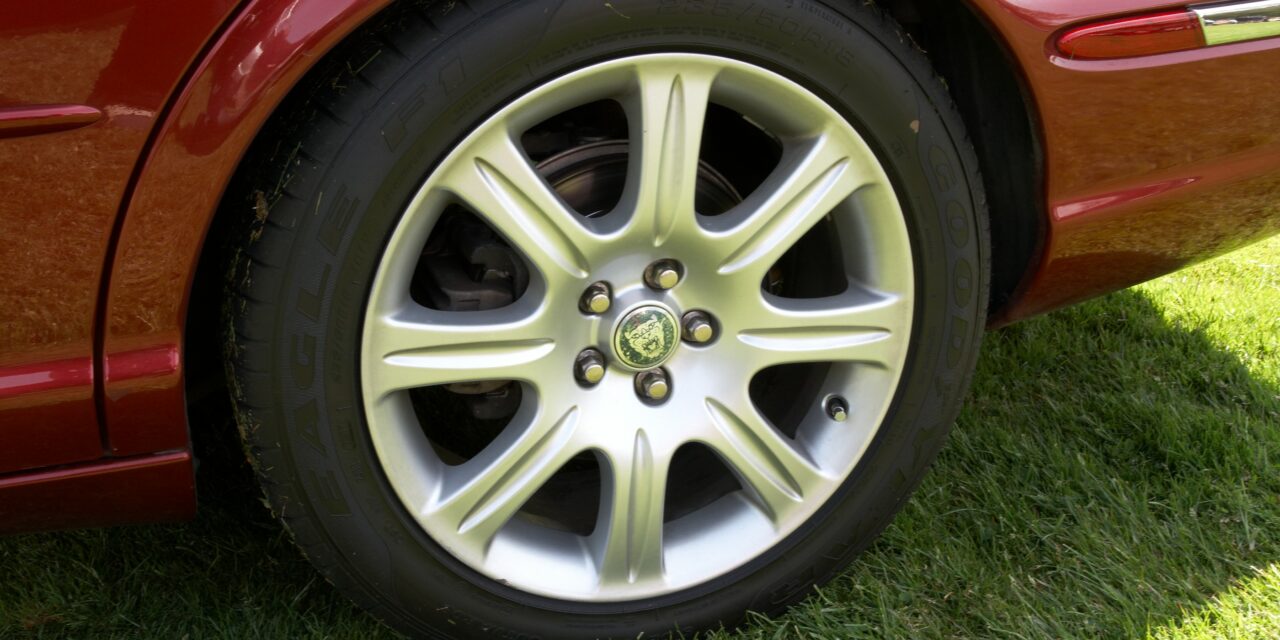
Replacement wheels are a classic grey area. A like-for-like wheel fitted after kerb damage is different from moving to a larger diameter, a different width or an aftermarket design. The latter can affect theft appeal, replacement cost and, depending on the setup, handling or tyre choice. Give the insurer the wheel size, make and model if it asks.
Do not assume a tyre and wheel combination is acceptable just because it clears the arches. It must be suitable for the car, fitted correctly and roadworthy. An MOT checks road safety and environmental standards, but a pass does not answer the separate insurance question of whether your policy needs updating.
Tow bars, roof bars and practical accessories
A tow bar feels like useful kit rather than a modification, but it is a permanent change and can alter how the car is used. Tell the insurer whether you will tow, and answer its questions about the trailer or caravan honestly. A detachable tow bar is still worth declaring if it was fitted to the vehicle.
Roof bars are less clear-cut because they are often removable. Check the policy or ask the insurer before assuming they need no mention, especially if they are a permanent installation or are used to carry equipment regularly.
Dash cams, cameras and security equipment
A dash cam can be useful evidence after a collision, but it is not automatically a discount and hard-wiring may be treated differently from plugging it into a 12V socket. A tracker, upgraded alarm or immobiliser can be positive security information, but only if it is declared accurately. Keep invoices and installation paperwork.
Never describe security equipment as fitted or approved unless it genuinely is. An insurer may ask for the make, certification or installer, and inaccurate answers are worse than no claimed discount.
Performance and appearance changes
Remaps, tuning boxes, induction kits, exhaust changes and suspension modifications should always be raised before fitting. So should cosmetic work such as wraps, tinted lights, body kits and significant decals. Cosmetic does not necessarily mean irrelevant: a change can affect repair costs, theft risk or the insurer’s appetite for the vehicle.
Bought the car with modifications already fitted?
Treat the car you are buying as it stands, not as the standard model shown in a comparison website database. A dealer’s advert, the V5C and a clean MOT history will not necessarily list every change. Look for clues in the photographs, invoices and service paperwork, then ask direct questions.
Before paying a deposit, ask the seller:
- What is not standard on the car?
- Who fitted each change and are there invoices or certificates?
- Has the present insurer been told?
- Are the original parts included?
- Does the car have any remap, tuning box or non-standard suspension that is not obvious in photos?
Then get an insurance quote using that information. Do not buy first and hope a call to the existing insurer will be routine. Some insurers will quote happily, some will add a premium and some will not cover certain changes at all. If the seller cannot confirm what has been done, budget for an inspection or walk away from a deal that only works if the car is assumed to be standard.
How to tell your insurer properly
Use the insurer’s online account, app or phone line and make a record of the conversation. Have the following ready:
- the part or work carried out
- the make, model and size where relevant
- when it was fitted and by whom
- whether it is manufacturer accessory, aftermarket or custom-made
- the value of the modification and any invoices
- photographs if the insurer asks for them.
Ask two direct questions: is the change accepted on my policy, and has my policy record been updated? Request written confirmation, then check the policy schedule when it arrives. A vague “that should be fine” is not useful evidence if the description never makes it onto the record.
There may be an administration fee, a premium adjustment or both. If the answer makes the modification uneconomic, ask about removing it and returning the car to standard. Get confirmation of that change too.
Do you have to update the V5C as well?
Insurance disclosure and vehicle registration are separate jobs. Many ordinary accessories will not require a V5C change, while some substantial changes can affect the vehicle’s recorded details. Do not use the absence of a V5C update as proof that the insurer does not need to know. Equally, a change recorded with DVLA does not remove the need to tell the insurer.
For heavily rebuilt, converted or imported vehicles, the approval and registration position can become more involved. GOV.UK’s vehicle approval guidance is the sensible starting point for unusual cases rather than relying on forum advice.
What happens if you do not declare a modification?
Do not frame this as a gamble over whether an insurer will notice. At claim time the assessor may see the change, repair invoices can show it, or the vehicle’s specification may not match the details given at purchase. The insurer will then ask questions at the most inconvenient possible moment.
The outcome depends on the policy, the modification and the information given, so nobody can honestly promise that every undeclared change will have the same result. But it can lead to a disputed claim, an adjustment to what is paid, cancellation or difficulty getting cover later. It is particularly poor value to take that risk over a modification that could have been checked with one call.
A five-minute check before you modify a car
Before fitting anything, run this sequence:
- Check the manufacturer’s original specification for your exact car.
- Ask the insurer whether the proposed change must be declared and whether it is acceptable.
- Compare the total cost, including any premium change and installation.
- Keep the invoice, product details and photographs.
- Confirm the updated policy wording once the work is complete.
The practical answer is not to avoid every useful upgrade. It is to make the insurer part of the decision before money is spent. That protects the value of the improvement and stops a modest change, such as a set of wheels or a tow bar, becoming an expensive insurance argument later.



Trackbacks/Pingbacks