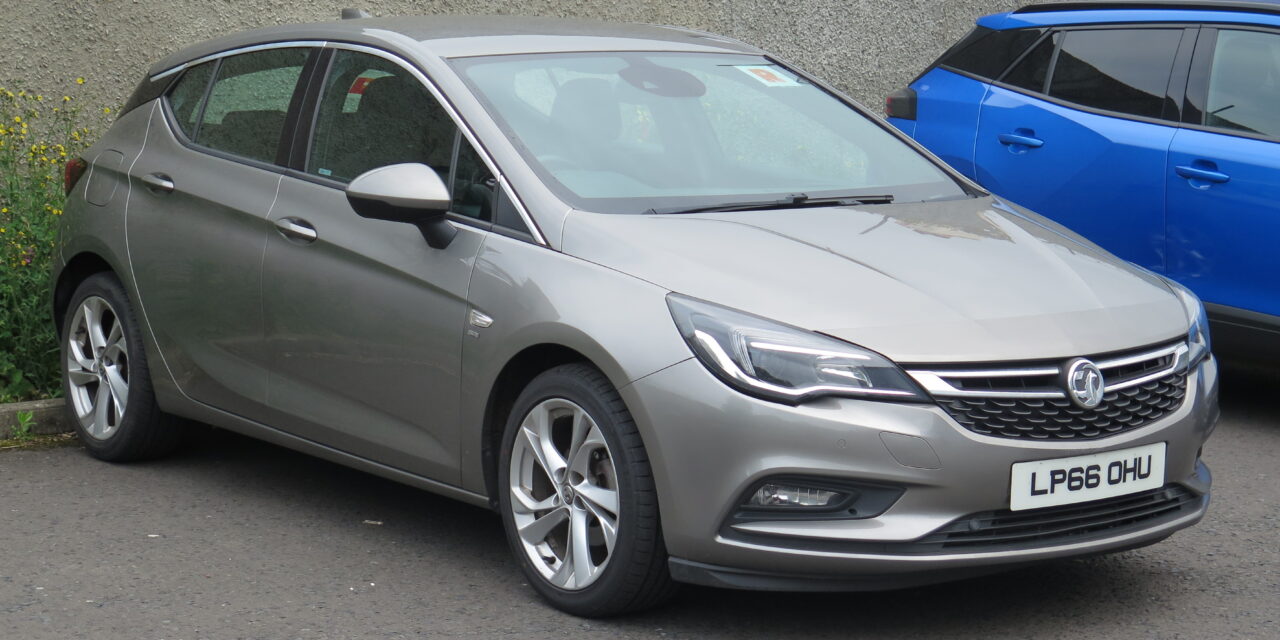
The Vauxhall Astra has been a default UK family hatchback for years, which is exactly why used buyers can get caught out. There are lots of them on the market, prices can look tempting and the badge does not scare sensible buyers away. That does not mean every Astra is a safe buy.
A good Astra can still make a lot of sense. It is comfortable, practical, easy to place on narrow British roads and usually cheaper than an equivalent Volkswagen Golf. The trick is avoiding the cars with the wrong engine for the job, a vague maintenance record or the early faults that owners and used car specialists keep seeing.
This guide focuses mainly on the Astra K sold from 2015 to 2021, because that is the version most UK buyers are actually shopping for in the used market.
Quick answer: what are the main used Vauxhall Astra problems to look for?
The main things to check are clutch pedal issues on early cars, reduced power or emissions-related headaches on diesels, timing chain noise from the 1.6 CDTi, electrical glitches involving TPMS sensors and infotainment, suspension knocks and squeaks, and patchy servicing on turbo petrols.
Before you buy, start with these checks:
- full service history with invoices, not just a stamped book
- a clean cold start with no warning lights and no timing chain rattle on 1.6 diesel cars
- smooth clutch action with no sticking pedal and no sign of slipping under load
- no reduced engine power messages or DPF-related warning lights on diesels
- working infotainment, parking sensors, rear lights and tyre pressure monitoring system
- suspension that stays quiet over speed bumps and rough town roads
- evidence that recall work has been completed where relevant
For most buyers, the safest Astra is a well-documented later car with a sensible engine choice, quiet running gear and a service history that clearly matches the mileage.
Why the Astra is still such a tempting used buy in the UK
There is a reason the Astra keeps turning up on used car shortlists. It sits in the sweet spot between supermini and SUV. It is easier to park than many crossovers, cheaper to buy than a Golf in similar condition and roomy enough for family use, commuting and motorway work.
The Astra K also arrived lighter than the older model, which helped efficiency and made it feel less heavy-footed than some rivals. Honest John rates it as a strong all-rounder with efficient engines, good equipment and solid value, while Parkers notes that it offers low running costs and plenty of standard kit.
That broad appeal is also what makes lazy buying risky. Plenty of Astras have lived hard urban lives, some have been maintained on a budget and early examples had a few faults that you do not want to inherit.
Which used Vauxhall Astra does this guide focus on?
If you are browsing the used market in 2026, the Astra K is the car you will usually be looking at. It was sold in hatchback and Sport Tourer estate form and came with a wide mix of petrol and diesel engines.
The versions most buyers will come across are:
- 1.4-litre turbo petrols in 125PS or 150PS form
- 1.6 CDTi diesels for higher-mileage drivers
- later facelift cars from 2019 onward with updated engines and infotainment
- manual gearboxes on the majority of mainstream used examples
If your budget stretches far enough, a facelifted 2019 onward car is usually the better place to start. Parkers found later cars more dependable than the earliest examples, and they also get fresher infotainment and revised engine options.
The used Vauxhall Astra problems that matter most
1. Early clutch and pedal issues
This is one of the biggest Astra K watch points. Parkers reports a known problem with early cars where the clutch can stick to the floor, leaving the car hard or impossible to drive properly. The issue was serious enough for recall action involving the master cylinder, reservoir and pipework.
On a test drive, the clutch should feel progressive and return cleanly every time. If the pedal feels sticky, sits oddly high, or the bite point is inconsistent, do not shrug it off as normal wear. Ask for paperwork showing recall or repair work and, if the seller cannot prove it, price the car as a risk or move on.
This matters even more on diesel cars, where some reduced-power complaints have reportedly been linked to clutch slip being detected by the electronics.
2. Reduced engine power and emissions trouble on 1.6 diesels
The 1.6 CDTi can be an excellent motorway engine, but it does need the right sort of life. Parkers flags reduced engine power warnings on diesel Astras, with possible causes including clogged fuel filters, blocked diesel particulate filters and clutch-related intervention from the ECU.
That means a diesel Astra used only for short runs can be a bad match. If the car has spent years doing school-run duty, stop-start town driving and low annual mileage, the DPF may have had a miserable time.
On the viewing, check for:
- any reduced engine power message in the cluster
- rough running or hesitation under load
- evidence of repeated short-interval repairs for sensors or emissions parts
- a seller who can explain how the car has actually been used
A diesel Astra can still be the right buy if you do plenty of motorway miles, but it is a poor choice for buyers who only do short local trips.
3. Timing chain rattle on the 1.6 CDTi
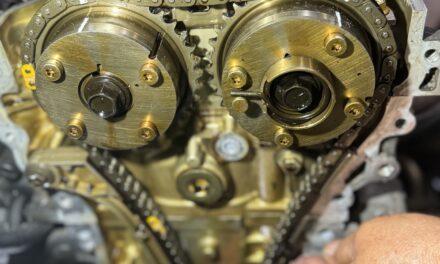
This is the diesel warning sign you really do not want to ignore. Parkers specifically highlights rattling timing chains, guides and tensioners on the 1.6 diesel, especially from a cold start. If you hear a loud chatter when the engine first fires, treat it as a serious red flag.
Timing chain work here is not a cheap little tidy-up job. Access is awkward and the bill can quickly wipe out any saving you thought you had made by buying a cheap example.
Always start a diesel Astra from fully cold if possible. If the seller has warmed it up before you arrive, ask why. A warm engine can hide noises that would tell you to walk away.
4. Electrical faults, especially TPMS and infotainment
Early Astra Ks built a reputation for niggling electrical issues rather than one single catastrophic flaw. Parkers points to tyre pressure monitoring sensor failures, infotainment systems getting stuck in update mode and faulty rear indicator connections. Honest John owner reports also mention spurious dashboard warnings on some cars.
This is why a proper used-car inspection needs to go beyond engine and gearbox checks. Sit in the car and test everything that costs money when it stops working:
- infotainment screen response
- Bluetooth and phone connection
- parking sensors and camera if fitted
- all exterior lights and indicators
- steering wheel buttons
- tyre pressure monitoring warnings
- central locking and both keys
If a seller says a warning light is only intermittent, assume that means you may be the one paying to chase it later.
5. Suspension knocks, drop links and top mount squeaks
The Astra is not unusually delicate, but these cars are now old enough for suspension wear to show up. Parkers highlights squeaks from drop links and suspension top mounts, and that fits the sort of faults many family hatchbacks start to collect once they have dealt with years of potholes and speed humps.
Drive the car over rough surfaces, not just smooth A-roads. Listen for clonks from the front end, squeaks at low speed and any sense that the car is crashing into potholes rather than settling over them. Also check the tyres for uneven wear, because that can point to worn components or poor alignment.
Astras on sensible wheel sizes are often the smarter used buy than cars on larger rims that look sportier but have had a harder life.
6. Water trapped in doors and signs of damp
One of the stranger Astra complaints noted by Parkers is that some cars can hold water in the doors rather than drain it away properly. That means it is worth opening and closing each door, listening for sloshing and checking the cabin and boot for any smell of damp.
This is not the kind of issue that usually headlines a used review, but it is exactly the sort of thing that tells you how well a car has been cared for. Damp interiors lead to electrical annoyance, mould smells and endless low-level frustration.
7. Patchy servicing and 1.4 turbo petrol running issues
The 1.4 turbo petrol is one of the better all-round Astra engines when it has been maintained properly, but Parkers notes that some cars can show a flat spot around 3,000rpm and run poorly if servicing has not been done correctly. That makes paperwork especially important.
Do not just ask whether the car has service history. Ask what oil has been used, whether the intervals make sense and whether there are invoices to back the book up. A seller with a neat folder of receipts is a much better bet than one offering vague promises and a fresh valet.
On the road, the petrol Astra should pull cleanly, idle evenly and feel consistent under acceleration. Hesitation, warning lights or misfire behaviour all justify caution.
Which Astra engine is the safest used buy?
For many private buyers, the 1.4 turbo petrol is the easiest recommendation if you want a conventional used family hatchback and your mileage is average rather than huge. It is a better fit for mixed driving than a diesel and avoids some of the DPF anxiety that comes with low-mileage diesel ownership.
If you do regular long-distance work, the 1.6 CDTi can still make sense, but only if it starts quietly from cold, drives without warning messages and comes with a convincing maintenance record.
If your budget allows, a later facelift Astra from 2019 onward is the safer direction overall. Honest John rates the facelift as an improvement, and later cars appear to have moved past some of the earliest teething problems.
What to check before buying a used Vauxhall Astra
If you are standing on a driveway with a used Astra and trying not to make an expensive mistake, this is the checklist that matters most:
- start the engine from cold and listen carefully
- test the clutch repeatedly in traffic-speed driving
- make sure there are no warning lights, especially on diesel models
- drive on a rough road and over speed bumps to expose suspension noise
- test every electrical feature you can reach from the driver seat
- inspect tyres for even wear and make sure quality matches across the axle
- check for water, damp smells or obvious condensation issues
- confirm service history with invoices and mileage progression
- run the registration through the MOT history service and the GOV.UK recall checker
If a seller rushes you, refuses a cold start, or cannot explain the history properly, that is useful information in itself.
Is a used Vauxhall Astra worth buying?
Yes, if you buy carefully. The Astra K is still a sensible, roomy and often underrated used family car in the UK. It can be comfortable on a long run, cheap enough to make financial sense and better equipped than some rivals at the same money.
But this is not a car to buy on reputation alone. Early clutch issues, diesel timing chain noise, electrical gremlins and weak servicing are all reasons to inspect one properly rather than assuming every Astra is a safe bet.
The best used Astra is not automatically the cheapest one. It is the one with the history you can verify, the engine that suits your real driving and the condition that still feels honest once the test drive is over.