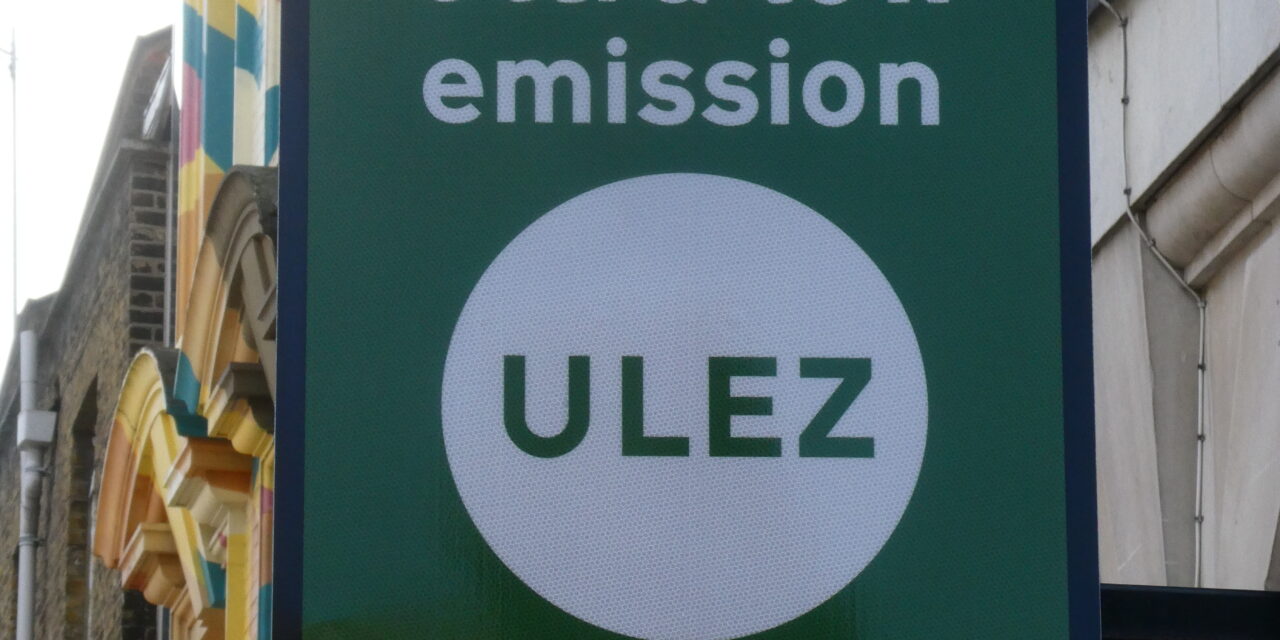
If you are asking "is my car ULEZ compliant?", the short answer is simple: do not guess by age alone. Check the registration through TfL’s vehicle checker, then sanity-check the result against the emissions standard listed for your vehicle type.
For cars, the rule is usually Euro 4 for petrol and Euro 6 for diesel. In practice, TfL says compliant petrol cars are usually those first registered after 2005, while compliant diesel cars are usually those first registered after September 2015. Usually matters here, because age is only a shortcut. TfL enforces ULEZ based on the vehicle’s declared emissions, not just the year on the plate.
Quick answer: how do I check if my car is ULEZ compliant?
Start here:
- go to TfL’s Check your vehicle service
- enter your registration number
- confirm whether the checker says you need to pay
- if the result looks wrong, check your V5C log book and the emissions data linked to the car
TfL’s own guidance says newer vehicles may show the Euro standard in section D.2 of the V5C. That is useful if you are checking a car before buying it, or if the online result does not match what the seller is claiming.
What ULEZ compliant actually means
ULEZ does not mean your car is old or new, cheap or expensive, petrol or diesel. It means the car meets the emissions threshold TfL applies for driving inside the Ultra Low Emission Zone.
TfL says the standards are:
- Euro 4 for petrol cars, vans, minibuses and similar lighter vehicles
- Euro 6 for diesel cars, vans and minibuses
- Euro 3 for motorcycles, mopeds, tricycles and quadricycles
For most readers checking a normal car, that boils down to one question: is it a Euro 4 petrol or a Euro 6 diesel?
Why age alone can catch you out
A lot of drivers still use a rough age rule, and sometimes that works. TfL says compliant petrol cars are usually those first registered after 2005, and compliant diesel cars are usually those first registered after September 2015.
But that is not a guarantee. Some petrol cars met the standard before 2005. Some imported or unusual vehicles can also behave differently in the system. That is why the safest route is still the TfL checker, not pub logic and not a seller saying "it should be fine".
If you are viewing a used car privately, this is one of the easiest ways to avoid a nasty surprise. A bargain diesel can stop looking cheap very quickly if you plan to drive into London regularly and it turns out to be non-compliant.
The charge if your car is not compliant
TfL currently says the ULEZ charge for non-compliant cars is £12.50 per day. The charge runs from midnight to midnight, so if you drive in the zone across two days you can be charged twice.
TfL also says the penalty charge is £180, reduced to £90 if paid within 14 days. That is the sort of bill that makes a two-minute registration check look like a very good habit.
The zone operates 24 hours a day, 7 days a week, every day of the year except Christmas Day, and TfL says it now covers all London boroughs, not including the M25 itself.
How to check a used car before you buy it
If you are shopping for a car that might go anywhere near London, check ULEZ compliance before you get emotionally attached to the ad. The sensible order is:
1. Run the registration through the TfL checker
That gives you the practical answer that matters day to day: pay or do not pay.
2. Check the fuel type
A petrol car and a diesel car of similar age can land on opposite sides of the rule. This is where buyers get caught out most often. A 2014 petrol hatchback may be fine. A 2014 diesel hatchback often is not.
3. Check the V5C and emissions details
If the result looks odd, check the paperwork. TfL says the Euro standard may be listed in section D.2 of the log book for newer vehicles. Seller claims are cheap. Paperwork matters more.
4. Do not confuse ULEZ with other clean air rules
London uses ULEZ. Other cities use Clean Air Zones, and the rules are not always identical. The GOV.UK clean air zone service is the right place to check charges outside London.
Petrol vs diesel: the simple version
For most buyers, this is the part worth remembering:
- Petrol is usually easier. If the car was first registered after 2005, there is a good chance it will meet ULEZ.
- Diesel needs more care. TfL says compliant diesel cars are usually those first registered after September 2015.
That does not mean every newer diesel is a perfect buy, or every older petrol is automatically safe. It means diesel buyers need to be much more deliberate. If you are comparing two otherwise similar used cars and one is definitely compliant while the other is "probably fine", buy certainty.
Common mistakes drivers make
Assuming every hybrid is compliant
Some are, some are not. Hybrid does not automatically mean exempt from emissions rules. Check the actual registration.
Assuming every old petrol is non-compliant
Not always. TfL says some compliant petrol cars were available from 2001, even though the usual first-registration shortcut is after 2005.
Thinking ULEZ and congestion charge are the same thing
They are separate. TfL’s own cars guidance says ULEZ charges can be in addition to any Congestion Charge that applies.
Forgetting that the charge is per day
A non-compliant car used regularly inside the zone can become expensive fast. This is not just a one-off nuisance charge. It changes the real running cost of the car.
Relying on a marketplace listing
Used-car listings are full of helpful little inaccuracies. "ULEZ free" is only worth believing after you have checked it yourself.
What if the TfL result looks wrong?
It happens often enough that TfL has a route for drivers to register a vehicle if they think it meets the standards. Before you assume the system is wrong, make sure the registration was entered correctly and the vehicle details match the paperwork.
If you are buying from a dealer, ask them to prove the compliance status in writing. If you are buying privately, build the risk into the price or walk away. There are too many decent cars on the market to inherit somebody else’s admin problem.
ULEZ versus the rest of the UK
This is where people get mixed up. ULEZ is London-specific. Outside London, GOV.UK has a separate clean air zone service for cities including Birmingham, Bath, Bradford, Bristol, Portsmouth, Sheffield and Tyneside.
So if your real question is not just "is my car ULEZ compliant?" but "will I get charged elsewhere too?", you need two checks:
- the TfL checker for London
- the GOV.UK clean air zone service for participating cities outside London
The bottom line
If you drive in London, or you are buying a used car that might, ULEZ compliance is not a small detail. It affects whether the car is easy to live with, what it really costs to run and how sellable it will feel to the next buyer.
The fast rule is petrol usually needs to be Euro 4 and diesel usually needs to be Euro 6, but the only answer that really counts is the one attached to the registration in the official system. Check first, assume nothing, and be especially careful with older diesels and vague seller claims.