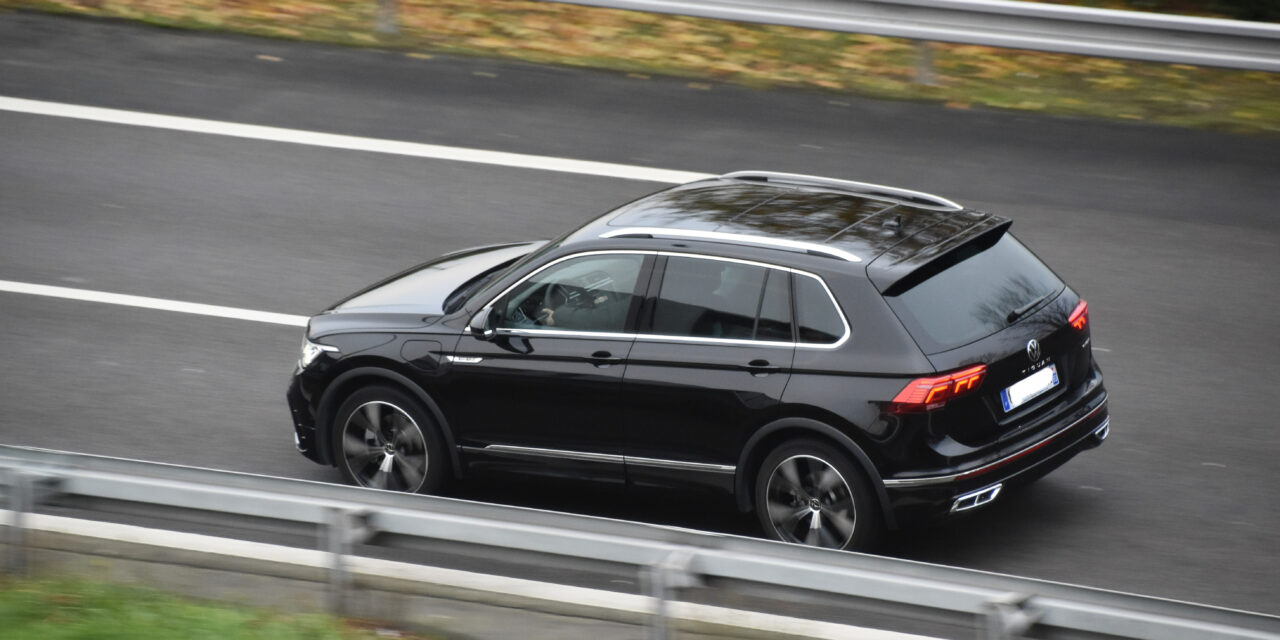
The Volkswagen Tiguan has been one of the safest default choices in the UK family SUV market for years. It is spacious without being huge, easy to drive, generally feels well finished and sits in the middle ground between mainstream value and premium polish. That is exactly why used buyers need to be careful.
Popular cars attract rushed sellers, patchy histories and buyers who assume the badge does the checking for them. A Tiguan can still be a very smart used buy, but the best ones are the cars with the right maintenance record, the right engine for the job and proof that recall work has been dealt with.
Quick answer: what are the main used Volkswagen Tiguan problems to look for?
The main things to check are oil level and service history, smooth DSG gearbox behaviour, suspension knocks, infotainment and camera faults, warning lights from sensors and emissions hardware on diesels, water ingress around doors or panoramic roof drains and evidence that recall work has been completed.
Before buying, start with these checks:
- full service history with invoices, not just a stamped book
- smooth cold start, even idle and no hesitation under load
- correct gearbox behaviour, especially on DSG cars at low speed and when selecting reverse
- no dashboard warning lights, including engine, AdBlue or driver-assistance alerts
- suspension quiet over speed bumps and broken roads
- all screens, cameras, parking sensors, steering-wheel buttons and climate functions working properly
- dry carpets, dry boot floor and no damp smell in the cabin
- confirmation from Volkswagen or the seller that recall work has been completed
For most buyers, the safest used Tiguan is a well-documented car on matching quality tyres with calm gearbox behaviour, no electronic glitches and a history that makes sense for the mileage.
Why the Tiguan is such a tempting used buy in the UK
The Tiguan has long been a sweet-spot family SUV. It is easier to place than something larger like a Kia Sorento or Skoda Kodiaq, but it feels roomier and more grown-up than many smaller crossovers. Rear-seat space is good, the boot is genuinely useful and most versions are comfortable enough to do school-run duties and motorway miles without complaint.
That broad appeal also means used values can stay firm. Buyers are often comparing the Tiguan with cars like the Nissan Qashqai, Peugeot 3008, Hyundai Tucson and Skoda Karoq. The Volkswagen usually wins on cabin feel and badge appeal, but that does not automatically make it the least troublesome option. Condition matters more than reputation.
Which used Volkswagen Tiguan are most buyers actually looking at?
For most UK buyers, the real used-car action is in the second-generation Tiguan launched in 2016 and updated in 2020. That is the car this guide focuses on because it is the one you are most likely to find in meaningful numbers and sensible price bands.
You will mainly come across these versions:
- 1.5 TSI petrol for lower annual mileage and mixed family use
- 2.0 TDI diesel for heavier motorway driving and higher annual mileage
- manual gearboxes on lower and mid-spec cars
- DSG automatic gearboxes on many better-equipped examples
- front-wheel drive on mainstream models and 4Motion all-wheel drive on some higher-powered versions
There is also the Tiguan Allspace if you need seven seats, but that has its own market and packaging trade-offs.
The used Volkswagen Tiguan problems that matter most
1. Oil consumption and patchy servicing
A used Tiguan with the wrong history is where costs start to climb. Several engines in the Mk2 range are known for using oil, and running low is bad news for turbocharged engines that depend on clean, healthy lubrication. A seller who says the car is "just due a service" is less reassuring than they think.
Check the service book, but do not stop there. You want invoices, dates, mileage and ideally evidence that the right oil grade has been used. If the service pattern is erratic, or the car has gone long stretches between oil changes, walk away unless the price leaves serious room for risk.
On the viewing, check the oil level yourself if possible. If the seller is carrying spare oil in the boot, that is not always a deal-breaker, but it is a reason to ask harder questions.
2. DSG automatic gearbox issues
A good DSG-equipped Tiguan feels smooth, quick and easy in traffic. A bad one can feel jerky at low speed, reluctant to engage drive or reverse, or hesitant when pulling away. Mechatronic faults and clutch wear can turn a supposedly easy family SUV into an expensive headache.
On the test drive, make sure the car:
- selects reverse cleanly
- pulls away without shuddering or a long pause
- shifts smoothly in stop-start traffic
- kicks down properly when you ask for acceleration
- does not thump, flare or hunt between gears
Service history matters here too. Volkswagen’s UK servicing guidance stresses regular maintenance, and gearbox servicing on applicable DSG units is not something to skip. If a seller has no idea what has or has not been done, that is a warning sign rather than a small paperwork gap.
3. Diesel emissions hardware and sensor faults
The 2.0 TDI can make good sense for high-mileage drivers, but it brings the usual modern diesel caveats. Frequent short trips are not kind to DPF systems, and used buyers should be alert to warning lights, limp-home behaviour, rough running or evidence of repeated emissions-related repairs.
Some owner-reported headaches centre on sensors and emissions hardware rather than catastrophic engine failure. That still matters, because chasing faults involving AdBlue systems, NOx sensors or exhaust after-treatment can be frustrating and expensive.
If you are shopping diesel, look for a car whose life makes sense. A motorway-driven Tiguan with strong history can be a better bet than a low-mileage diesel that has spent years doing cold starts and short urban runs.
4. Suspension wear, springs and poor ride quality
The Tiguan is not unusually fragile, but these cars are now old enough for bushes, dampers and links to start showing wear, especially on bigger wheels. Knocky suspension, squeaks over broken roads and a lumpy ride should not be ignored as "just SUV stuff".
Check how the car sits. If one corner looks off, ask why. Uneven tyre wear can also point to suspension or alignment trouble. On the road test, find a poor surface rather than only driving on smooth A-roads. This is where tired suspension starts talking.
If you are choosing between otherwise similar cars, the one on sensible wheels with a calmer ride is usually the smarter buy than the R-Line on fashionable rims that has spent years crashing through potholes.
5. Infotainment, camera and general electrical glitches
This is a very modern Volkswagen problem rather than a Tiguan-only one. The hardware often looks tidy and upmarket, but glitchy software, weak digital radio performance, reversing camera faults, parking-sensor issues and odd electronic gremlins can all spoil ownership.
Do not just switch the screen on and assume it is fine. Pair a phone, test the camera, use the parking sensors, try the steering-wheel controls, check the digital cockpit if fitted and make sure warning messages are not being hidden behind a recent battery disconnect.
Electrical faults are not always disastrous, but they are exactly the sort of nuisance that turns a premium-feeling SUV into an irritating one.
6. Water ingress and panoramic roof drain problems
A used Tiguan should not smell damp. Feel the carpets, check under mats and inspect the boot floor. Water ingress can come from blocked drains, door seals, window seals or panoramic roof drainage issues on cars fitted with the big glass roof.
This is easy to underestimate because the original leak may be small while the consequences are not. Damp cabins lead to mould, misting, corroded connectors and odd electrical behaviour. A car with wet carpets and a cheerful seller explanation about "just condensation" deserves scepticism.
7. Steering and driver-assistance niggles
Some used examples suffer from steering-related complaints, including inconsistent assistance or faults affecting steering-wheel controls and related electronics. During the test drive, the steering should feel even and predictable, with no grinding noises and no warning lights tied to assistance or safety systems.
Also try every active-safety feature you reasonably can at a standstill, including lane-assist settings, parking aids and adaptive-cruise controls if fitted. Expensive trim-level toys are only a bargain if they still work.
Recalls are not a side issue on the Tiguan
This is one of the most important checks before you hand over money. Government recall records show a long list of Tiguan campaigns across the Mk2 years, including issues involving child locks, towbar locking mechanisms, engine compartment covers, seat belt safety concerns and other hardware or component defects.
Auto Express also notes that the Mk2 Tiguan has been subject to numerous recall campaigns in the UK, covering faults from seat-related safety concerns to suspension, brake and electrical issues.
That does not mean every used Tiguan is a problem car. It means you should not buy one without checking whether the relevant work has been completed. A main dealer can usually confirm this from the registration or VIN.
Which engine should most used buyers choose?
For most private UK buyers, the simplest answer is still the 1.5 TSI petrol if your mileage is modest and your journeys are mixed. It suits family use better than a diesel that spends its life on short runs.
Choose the 2.0 TDI only if your use genuinely suits it. If you regularly cover long motorway miles, tow, or pile on mileage every year, the diesel can still make good sense. If you do mainly town work, it is easier to buy the wrong diesel Tiguan than the wrong petrol one.
If you want an automatic, buy on condition and behaviour first, not just spec. A well-serviced DSG can be excellent. A neglected one can wipe out the savings you thought you were making over a newer car.
Which trim and setup is the sensible used buy?
SE and SE Navigation models are often the sweet spot. They usually have enough kit to feel modern without the extra wheel size and cosmetic fuss that can make sportier trims more expensive to run and less comfortable on rough UK roads.
R-Line cars look great and sell well, but they are not automatically the best used buy. Bigger wheels can make ride quality worse and raise the odds of kerbed alloys, damaged tyres and suspension wear.
Unless you actually need 4Motion, a clean front-wheel-drive Tiguan is often the easier ownership proposition.
Best final checks before you buy a used Tiguan
Before agreeing a deal, try to cover this shortlist:
- check MOT history for repeated advisories on suspension, tyres or emissions
- verify recall completion with Volkswagen
- inspect tyre brand and matching condition across the axle
- test every screen, button, sensor and camera
- drive the car long enough for gearbox and engine behaviour to settle
- check for damp carpets, boot moisture and condensation clues
- confirm servicing is backed up by invoices, not just promises
- if in doubt, pay for an independent inspection before buying
Verdict: is the Volkswagen Tiguan still a smart used SUV?
Yes, the Tiguan can still be a very smart used buy in the UK, and there is a reason so many families keep landing on it. It is roomy, easy to live with and feels more substantial than many rivals. But it is at its best when bought with discipline rather than brand faith.
The strongest used examples are the ones with complete history, properly working electronics, smooth gearbox behaviour and evidence of careful ownership. Buy one like that and a Tiguan still makes a lot of sense. Buy the shiny one with weak paperwork and unexplained warning lights, and the premium image stops paying for itself very quickly.