If your clutch starts slipping, biting oddly or making every gear change feel like hard work, the repair bill can look intimidating fast. The good news is that a clutch replacement is one of those jobs where understanding the typical UK price range helps you spot the difference between a fair quote and a nasty surprise.
The short answer
For most mainstream manual cars in the UK, a clutch replacement usually lands at around £500 to £800. Smaller, simpler cars can sometimes come in a bit lower, while bigger family cars, premium models and anything that also needs a flywheel can push the total to £900 to £1,200 or more.
That rough range lines up with current UK market data. RAC says the average clutch replacement cost is around £670, based on WhoCanFixMyCar data from August 2025, while FixMyCar says the average booking through its platform is £666.74 and gives a typical at-a-glance range of £450 to £750.
So if a garage quotes you roughly £600 for a straightforward manual hatchback job, that is in normal territory. If the quote starts with an eight or a nine, the next question should be whether the car is awkward to work on, whether higher-spec parts are needed, or whether the flywheel is being replaced too.
Why clutch replacement costs vary so much
Clutch jobs are expensive for one main reason: labour. The clutch itself is buried between the engine and gearbox, so access is the hard part. FixMyCar says replacement usually takes 3 to 6 hours, but some cars can take longer.
The final quote is usually shaped by five things:
1. The car you drive
A small front-wheel-drive supermini is usually cheaper than a large diesel SUV or a premium saloon. Parts prices vary, but labour times do too. A cramped engine bay or heavier transmission can add a lot of workshop time.
2. Whether the flywheel also needs doing
This is the big one. If the garage finds a worn or damaged dual-mass flywheel, your bill can jump sharply because the part itself is expensive and it makes sense to replace it while everything is apart. That is often the difference between a mid-£600 quote and a four-figure one.
3. Parts quality
You may be quoted for budget aftermarket parts, OE-equivalent parts or genuine manufacturer parts. Cheaper is not always false economy, but clutch jobs are labour-heavy enough that most drivers are better off fitting a decent kit rather than saving a small amount on parts and risking another gearbox-out job later.
4. Your location
Labour rates in London and the South East are often noticeably higher than in smaller towns. Main dealers also tend to charge more per hour than reputable independent specialists.
5. What has actually failed
Sometimes the clutch plate is the problem. Sometimes it is the release bearing, pressure plate, hydraulics or a clutch cable issue. A good garage should explain whether you need a full clutch kit or whether another related fault is part of the quote.
What is included in a clutch replacement?
A proper clutch replacement quote will usually include:
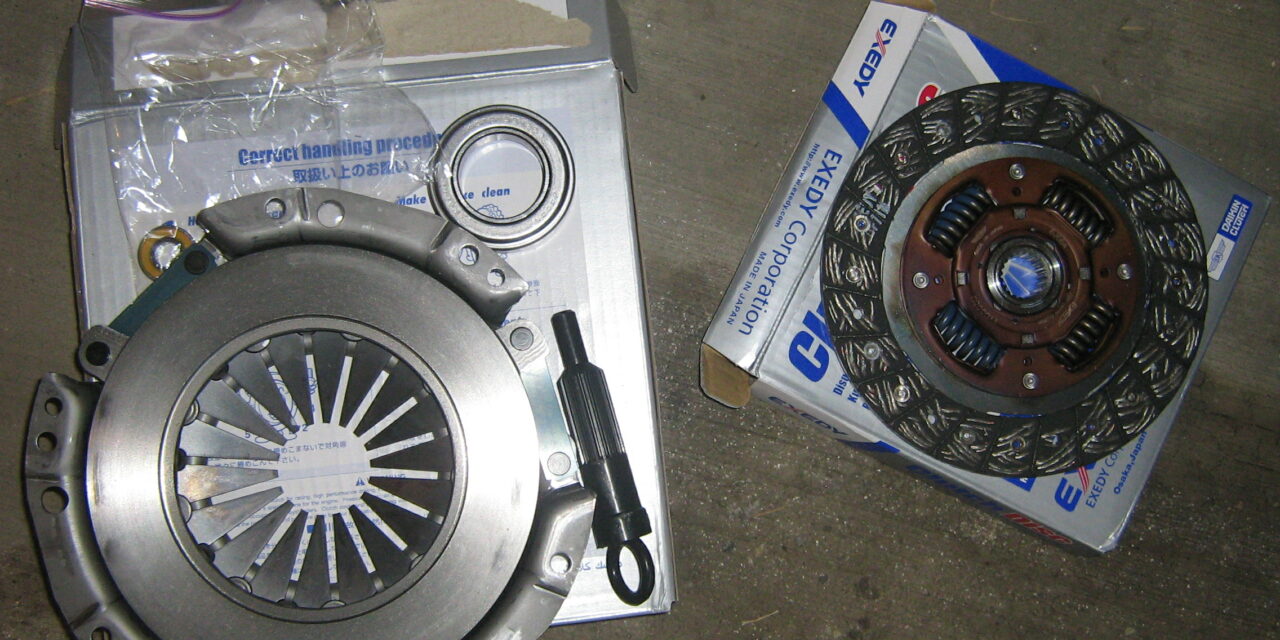
- a clutch kit, typically including the clutch plate, pressure plate and release bearing
- gearbox removal and refitting
- labour
- transmission oil or small consumables where required
- VAT
What it does not always include is a flywheel. If that is worn, heat-spotted or noisy, expect the garage to call with a revised figure.
Typical UK clutch replacement cost bands
These are sensible real-world guide prices for 2026, based on current UK pricing data and what usually happens in independent garages:
| Type of job | Typical UK price |
|---|---|
| Small manual hatchback with a straightforward clutch job | £450 to £650 |
| Mainstream family hatchback or crossover | £600 to £850 |
| Premium brand or more labour-intensive model | £800 to £1,000 |
| Clutch plus dual-mass flywheel | £900 to £1,200+ |
Treat those as planning numbers, not fixed tariffs. A Fiesta, Clio or Corsa can be at the cheaper end. A BMW, Mercedes or some diesel family cars can climb quickly, especially if a dual-mass flywheel is involved.
Signs your clutch may need replacing
Halfords lists some of the clearest clutch warning signs as:
- a spongy, sticky or vibrating clutch pedal
- squeaking or grumbling noises when you press the pedal
- poor acceleration even though the engine revs rise
- difficulty shifting gears
- a slipping clutch that causes a momentary loss of drive
RAC also highlights high revs without matching acceleration, difficulty changing gear, grinding noises and a strong burning smell as common warning signs.
If those symptoms appear suddenly, get the car checked quickly. A failing clutch can leave you stranded, but it can also damage related components and turn a painful bill into a really ugly one.
Can you drive with a slipping clutch?
Sometimes, yes. Sensibly, not for long.
If the car still moves and selects gears, you may be able to get it home or to a garage. But once a clutch is slipping badly, every extra mile creates more heat and wear. That is when you risk damaging the flywheel and increasing the eventual cost.
If the clutch pedal goes soft, the car struggles to select gear, or the vehicle feels unsafe in traffic, stop driving it and ask the garage about recovery.
Is it worth replacing the clutch on an older car?
Usually, yes, if the rest of the car is sound.
A £700 clutch bill can feel brutal on a car worth £2,000 to £3,000, but replacing it can still make sense if:
- the car is otherwise reliable
- it has good MOT history
- tyres, brakes and suspension are in decent shape
- you know its history and would struggle to replace it with something better for the same money
It makes less sense if the clutch quote arrives alongside rust, suspension problems, warning lights and looming tyre bills. At that point, the clutch is not the whole problem.
How long should a clutch last?
There is no fixed service interval, because clutch life depends massively on driving style and where the car is used. Town driving, hill starts, towing and resting your foot on the pedal will all shorten its life.
The broad guidance from current UK sources is that a clutch often lasts 50,000 to 100,000 miles, though some wear out earlier and careful drivers can get more life than that. FixMyCar says many clutches need replacement at around 30,000 to 60,000 miles, while also noting that newer cars can last longer.
That sounds contradictory until you remember one important point: there is no single normal. A hard-used urban car and an easy-lived motorway car can have completely different clutch lives.
How to keep the replacement bill down
You cannot make a clutch job cheap, but you can stop it becoming more expensive than it needs to be.
- Act early. Slipping, juddering and burning smells rarely fix themselves.
- Ask whether the quote includes the flywheel. If not, ask what happens if it is found to be worn once stripped down.
- Compare like with like. Check whether you are being quoted OE-quality parts or the cheapest available kit.
- Use a specialist or trusted independent. Dealers are not always necessary for this kind of mechanical job.
- Get the full figure in writing. That should include labour, VAT and any likely extras.
What to ask before booking
Before you authorise the work, ask these five questions:
- Is this quote for a full clutch kit?
- Does it include VAT and labour?
- Is the flywheel included, excluded or still to be inspected?
- What brand of parts are being fitted?
- What warranty is included on parts and labour?
A garage that answers those cleanly is usually easier to trust than one that just throws out a headline number.
Verdict
A realistic clutch replacement cost in the UK is usually around £500 to £800, with about £670 being a fair current average reference point. Once a dual-mass flywheel, premium parts or a labour-heavy model enters the picture, the bill can rise well beyond that.
The smartest move is not waiting for total failure. Catch the warning signs early, ask exactly what is included in the quote, and you give yourself the best chance of keeping the job painful but manageable rather than spectacularly expensive.