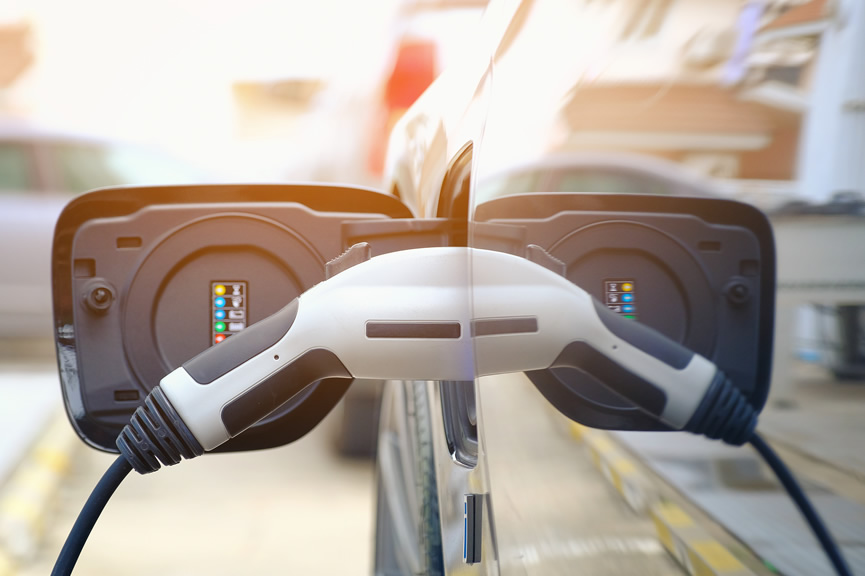
Charging an electric car in the UK can be very cheap or surprisingly expensive, and the difference mostly comes down to where you charge and when you do it.
On the current Ofgem price cap for households paying by Direct Debit, average domestic electricity costs 24.67p per kWh between 1 April and 30 June 2026. Zapmap’s April 2026 Price Index says the weighted average pay-as-you-go public charging price is 54p per kWh on chargers up to 49kW and 79p per kWh on chargers rated at 50kW and above. Zapmap also notes that many EV drivers on dedicated overnight tariffs can pay around 8.7p per kWh off-peak.
That means a typical family-sized EV can cost well under a tenner to recharge at home overnight, but more than £50 to fill on a public rapid charger if you rely on pay-as-you-go rates.
This guide shows what those prices mean in pounds and pence for UK drivers, where the big cost gaps come from, and how to keep your charging bill sensible.
Quick answer
If you want the short version, here it is.
- Home charging on a standard domestic tariff is still usually the best-value default for most drivers.
- Home charging on a cheap overnight EV tariff is where EV running costs look genuinely impressive.
- Public charging is convenient, not cheap, especially if you depend on rapid and ultra-rapid chargers.
- If you cannot charge at home, the cost advantage of an EV narrows, though it does not disappear in every case.
What current UK charging prices look like
A useful current benchmark is:
| Charging type | Current guide price |
|---|---|
| Home charging on the Ofgem average Direct Debit cap | 24.67p per kWh |
| Home charging on a cheap overnight EV tariff | about 8.7p per kWh |
| Public pay-as-you-go charging up to 49kW | 54p per kWh |
| Public pay-as-you-go charging at 50kW and above | 79p per kWh |
The gap is the whole story. If you charge at home overnight, your electricity can cost roughly a third of the standard capped domestic rate and a fraction of a rapid public session.
How much a full charge costs
These examples use simple battery-size maths, multiplying battery capacity by the unit price. They are a good guide for comparing charging costs, even though real-world results vary slightly by car, temperature and charging losses. They also exclude the daily standing charge, because you pay that whether or not you plug the car in.
| Battery size | Home at 24.67p/kWh | Home off-peak at 8.7p/kWh | Public up to 49kW at 54p/kWh | Public 50kW+ at 79p/kWh |
|---|---|---|---|---|
| 40kWh | £9.87 | £3.48 | £21.60 | £31.60 |
| 60kWh | £14.80 | £5.22 | £32.40 | £47.40 |
| 77kWh | £19.00 | £6.70 | £41.58 | £60.83 |
That table explains why so many UK EV owners are relaxed about running costs when they can charge at home, and far less enthusiastic when they have to depend on public rapid charging.
A 60kWh car is a good real-world reference point because it sits in the middle of the family EV market. On current rates, a full charge is roughly £14.80 at home on the cap, £5.22 on a cheap overnight tariff, £32.40 on a standard public charger and £47.40 on a rapid or ultra-rapid charger.
What a more realistic public top-up costs
Most drivers do not arrive at a rapid charger with the battery at zero, and many manufacturers recommend using rapid charging mainly to get from around 10% to 80%, where charging is quicker and more efficient. RAC’s charging cost guidance uses the same kind of 10% to 80% benchmark for exactly that reason.
So this is often the more useful public-charging table:
| Battery size | Energy added from 10% to 80% | Home at 24.67p/kWh | Home off-peak at 8.7p/kWh | Public up to 49kW at 54p/kWh | Public 50kW+ at 79p/kWh |
|---|---|---|---|---|---|
| 40kWh | 28.0kWh | £6.91 | £2.44 | £15.12 | £22.12 |
| 60kWh | 42.0kWh | £10.36 | £3.65 | £22.68 | £33.18 |
| 77kWh | 53.9kWh | £13.30 | £4.69 | £29.11 | £42.58 |
That means a motorway-style rapid top-up for a 77kWh EV can easily land north of £40 on current pay-as-you-go prices. The same amount of energy on a cheap overnight home tariff would be under £5.
Why the difference is so big
Public charging prices are not high just because operators feel like charging more.
They also have to cover:
- installation and grid connection costs
- maintenance and uptime requirements
- land and parking costs
- payment systems and support
- VAT at a higher rate than domestic electricity
- the economics of high-power charging hardware that is expensive to install and run
For drivers, though, the practical takeaway is simple. Public charging should usually be treated like buying food at a motorway service area. It is useful, sometimes essential, but rarely the cheapest way to do it.
What this means per mile
Zapmap’s April 2026 analysis says the average public pay-as-you-go price works out at about 16 pence per mile on chargers up to 49kW and about 23 pence per mile on rapid and ultra-rapid chargers, using its average-efficiency EV model.
That helps explain why the phrase "electric cars are cheap to run" is only partly true. They are usually cheap to run when most of your charging is done at home, especially overnight. They are much less compelling when most of your energy comes from public rapid charging.
So is home charging still the big advantage?
Yes, absolutely.
The current Ofgem average domestic electricity price of 24.67p per kWh already gives home charging a big cost advantage over public charging. Once you move onto a proper overnight EV tariff, the gap becomes huge.
Zapmap says many EV drivers on specialist off-peak tariffs pay around 8.7p per kWh overnight. On that kind of rate, even a fairly large 77kWh battery only costs about £6.70 to fill in simple battery-capacity terms.
That is why driveway access, off-street parking and tariff choice still matter so much in the UK EV ownership picture. If you have all three, the maths can look excellent. If you have none of them, you need to be much more honest with yourself before assuming an EV will always be cheaper.
How to keep EV charging costs down in the UK
If your goal is to make an EV as cheap as possible to run, the main wins are straightforward.
1. Do most of your charging at home if you can
This is still the single biggest money-saver.
2. Use an overnight EV tariff if your supplier and setup allow it
A cheap overnight rate can cut charging costs dramatically compared with the standard domestic cap.
3. Save rapid charging for long trips and time-sensitive top-ups
Rapid charging is valuable, but it is the expensive end of EV ownership.
4. Check network prices before plugging in
Zapmap’s April 2026 analysis notes that not every public network charges the same. Some pay-as-you-go operators are cheaper than others, and Tesla’s open Supercharger sites can be notably more competitive than many rival rapid networks.
5. Think about your ownership pattern, not just one charging session
A few expensive motorway sessions each month may not matter much if most of your energy comes from home. But if public charging will be your default, that should shape your buying decision.
Is an electric car still cheaper to charge than a petrol or diesel car?
Usually yes, but the answer depends heavily on how you charge.
If most of your electricity comes from home, especially at off-peak rates, the running-cost case for an EV is still strong. If you are mainly paying public rapid prices, the saving over petrol or diesel becomes far less dramatic and can sometimes feel underwhelming.
That does not mean an EV is a bad idea. It just means charging access matters almost as much as the car itself.
The bottom line
For UK drivers in 2026, the answer to "how much does it cost to charge an electric car?" is not one number.
A small EV can cost about £3.48 to fill on a cheap overnight home tariff or around £31.60 on a public rapid charger. A larger family EV can be about £6.70 overnight at home or more than £60 on a rapid public pay-as-you-go session.
That is a massive spread, and it is why the smartest way to judge EV running costs is not to ask whether charging is cheap in general. It is to ask where you will actually charge most of the time.
If the honest answer is "at home, overnight", EV charging costs still look very good. If the answer is "mostly on the public network", you need to budget much more carefully.