
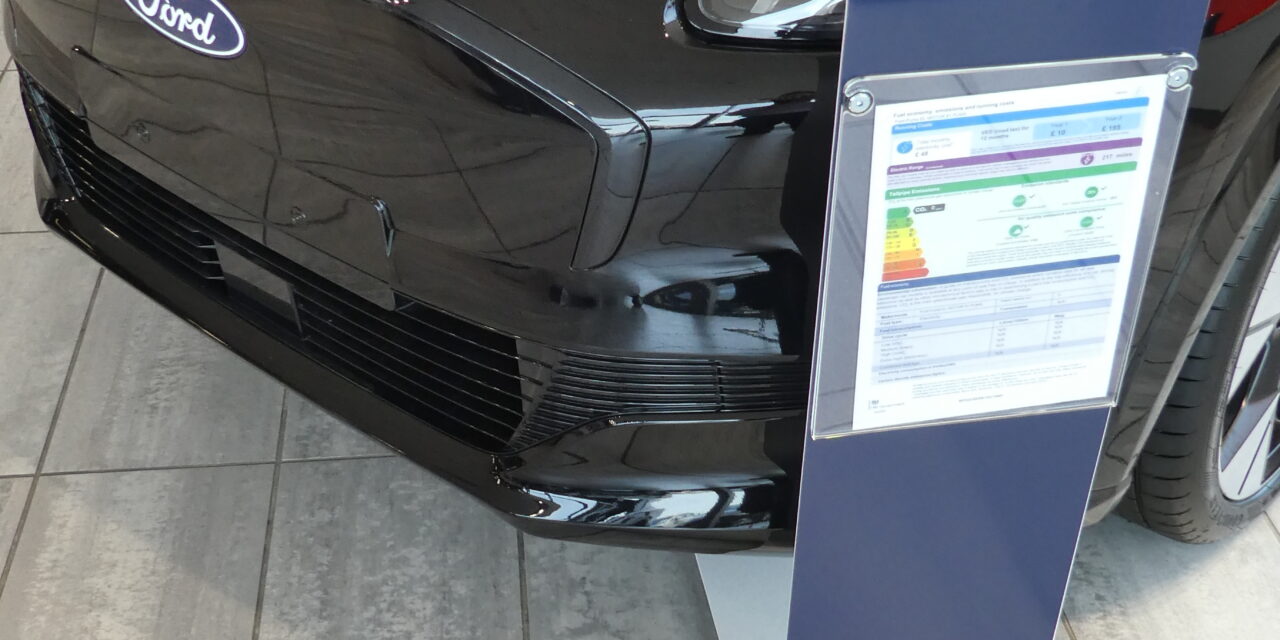
If you are shopping for an EV in 2026, the headline is simple: there is now a real Electric Car Grant for eligible new cars, but the rest of the support picture is more selective than many buyers expect.
Private buyers can no longer rely on a broad home charger subsidy if they own a house with a driveway, and EVs no longer get a blanket exemption from road tax. On the other hand, there is now direct support for some new electric cars, continued help for vans and wheelchair accessible vehicles, and stronger chargepoint grants for renters, flat owners and many landlords from 1 April 2026.
Quick answer
In the UK in 2026, the main EV incentives are:
- the Electric Car Grant for approved new zero-emission cars, worth either up to £3,750 or up to £1,500 depending on the vehicle’s sustainability band
- ongoing grants for some electric vans, trucks and wheelchair accessible vehicles
- EV chargepoint grants for renters, flat owners and residential landlords, now worth 75% of the cost up to £500 per socket after the April 2026 changes
- business support through OZEV chargepoint and infrastructure schemes, depending on eligibility
- low Benefit-in-Kind tax rates for company car users, which still make salary sacrifice and company EVs attractive in the 2026 to 2027 tax year
The big caveat is that not every EV qualifies, and not every household can claim charging support.
The Electric Car Grant is the biggest change for 2026
The UK government brought back a direct purchase incentive for some new electric cars through the Electric Car Grant. Official guidance says eligible new zero-emission cars sit in one of two grant bands:
- Band 1: up to £3,750 off
- Band 2: up to £1,500 off
You do not apply for the discount yourself. The dealer or seller applies it at the point of sale, so it should appear as a discount in the car’s purchase price.
That does not mean every electric car gets money off. A car has to be on the government’s approved list, and the grant depends on how the model scores under the scheme’s sustainability rules. In practice, that means budget-conscious buyers should check eligibility before assuming a quoted list price includes support.
If you are comparing small EVs, this matters. A grant-eligible model can suddenly look much closer to a similarly sized petrol or hybrid car on monthly finance.
For a look at one of the small EV launches UK buyers are watching closely, see our take on the Kia EV2.
Which EV grants still exist beyond new cars?
The electric car grant gets the headlines, but it is not the only support still on offer.
Electric van grants
The government still supports some electric vans through the zero-emission vehicle grant framework. The exact discount depends on the van category, but official GOV.UK guidance continues to show support of:
- up to £2,500 for some smaller vans
- up to £5,000 for some larger vans
As with cars, the van must be on the approved list and the discount is handled by the seller rather than claimed separately by the driver.
Wheelchair accessible vehicle support
Some zero-emission wheelchair accessible vehicles are also covered. GOV.UK says these can be sold with a 35% discount up to £25,000, which is a meaningful incentive for families who need a specialist conversion.
Truck support
There is still grant support for some electric trucks too, although that is obviously more relevant to operators than private motorists.
Charging grants changed on 1 April 2026
This is the part many buyers miss.
From 1 April 2026, several OZEV chargepoint grant rates were increased. The most relevant change for private users is that the grant for renters and flat owners is now worth 75% of the cost of buying and installing a chargepoint, up to £500 per socket.
Before that date, the cap was £350, and GOV.UK says applicants who applied before 1 April 2026 may be able to re-apply for the higher rate if the charger has not yet been installed.
If you rent or own a flat
This is now one of the clearest EV incentives available to ordinary drivers.
If you are eligible, the grant can help with the installation cost at your home. It is particularly useful for leaseholders and tenants who were often the awkward edge case in older EV advice.
If you are a residential landlord
The landlord grant also moved to 75% up to £500 per socket from 1 April 2026. GOV.UK says landlords can claim support for up to 200 sockets per year, subject to the scheme rules.
That makes it easier to add charging to rental properties, which matters if you are trying to future-proof a flat block or improve the appeal of an EV-friendly let.
If you have on-street parking problems
There is also an on-street residential chargepoint scheme for households without off-street parking. GOV.UK guidance describes support of 75% up to £350 towards a cross-pavement charging solution.
That is not as generous as the renter and flat-owner grant, but it is still relevant if home charging has been your biggest practical barrier to switching.
Which EV grants ended or got harder to access?
This is where a lot of outdated advice goes wrong.
By 2026, there is not a universal home charger grant for every homeowner with a driveway. Most owner-occupiers in houses do not have the sort of broad charger subsidy that older EV buying guides used to mention.
There were also changes to OZEV grant schemes from 31 March 2026, with some older arrangements closing or being replaced. If you are reading older articles about the Workplace Charging Scheme or legacy home charging support, check the current GOV.UK page before budgeting around them.
The safest assumption in 2026 is this:
- support is still available, but it is now much more targeted
- you need to check the exact scheme that fits your living situation or business setup
- being a renter, flat owner, landlord or fleet operator can matter more than simply owning an EV
Do tax incentives still make EVs attractive in 2026?
Yes, especially for company car drivers.
The direct purchase incentives are only part of the story. The other big reason EVs still stack up in 2026 is the tax treatment for company cars and salary sacrifice schemes. Benefit-in-Kind rates for pure electric company cars remain low compared with petrol and diesel alternatives, which is why company EV deals can still look far more attractive than retail private purchase offers.
That said, UK buyers should not confuse this with the old idea that EVs are tax-free. They are not. The days of a blanket road tax advantage for every electric car are gone, so you need to run the whole ownership-cost picture rather than focusing on one headline saving.
For buyers comparing overall running costs with newer small EVs, our piece on why the Citroën ë-C3 Aircross Extended Range matters is a useful example of how affordability is becoming just as important as headline battery range.
How to check whether you actually qualify
Before you put down a deposit, work through this checklist:
1. Check whether the car is on the approved grant list
Do not assume a dealer advert includes the Electric Car Grant. Confirm that the exact version of the car is eligible and which grant band applies.
2. Check whether your home setup unlocks charging support
Your eligibility depends heavily on whether you:
- rent
- own a flat
- are a landlord
- have off-street parking
- need an on-street charging solution
3. Check the installation rules before ordering a charger
With OZEV-backed grants, the installer, the product and the paperwork all matter. A cheap quote is not much use if it does not meet the grant conditions.
4. Compare the grant against real-world ownership costs
An EV with £1,500 or £3,750 off can still be poor value if insurance, finance and charging costs are high. Equally, a non-grant model can still be the smarter buy if it has a better warranty, stronger efficiency and cheaper monthly payments.
Is 2026 finally a good time to buy an electric car in the UK?
For the right buyer, yes.
The UK support landscape in 2026 is more practical than it was a year earlier because there is now a proper new-car grant again, and because renters, flat owners and landlords have stronger chargepoint support than before. That combination tackles two of the biggest EV objections: purchase price and charging access.
But it is still not a one-size-fits-all market. If you are a homeowner expecting a simple universal charger grant, or a private buyer assuming every EV comes with government money off, you may be disappointed.
The smart move is to treat EV incentives as a bonus, not the whole buying case. Check whether the exact car qualifies, check whether your home setup qualifies, and then judge the car on total ownership costs rather than hype.
Official links worth checking before you buy
- Zero emission vehicles eligible for a grant
- Electric vehicle chargepoint grant for renters or flat owners
- Electric vehicle chargepoint grant for residential landlords
- Search current GOV.UK EV charging grant guidance
If you want the short version, 2026 is better than many people think for EV support in the UK, but only if you check the current rules rather than relying on old grant guides.






Trackbacks/Pingbacks