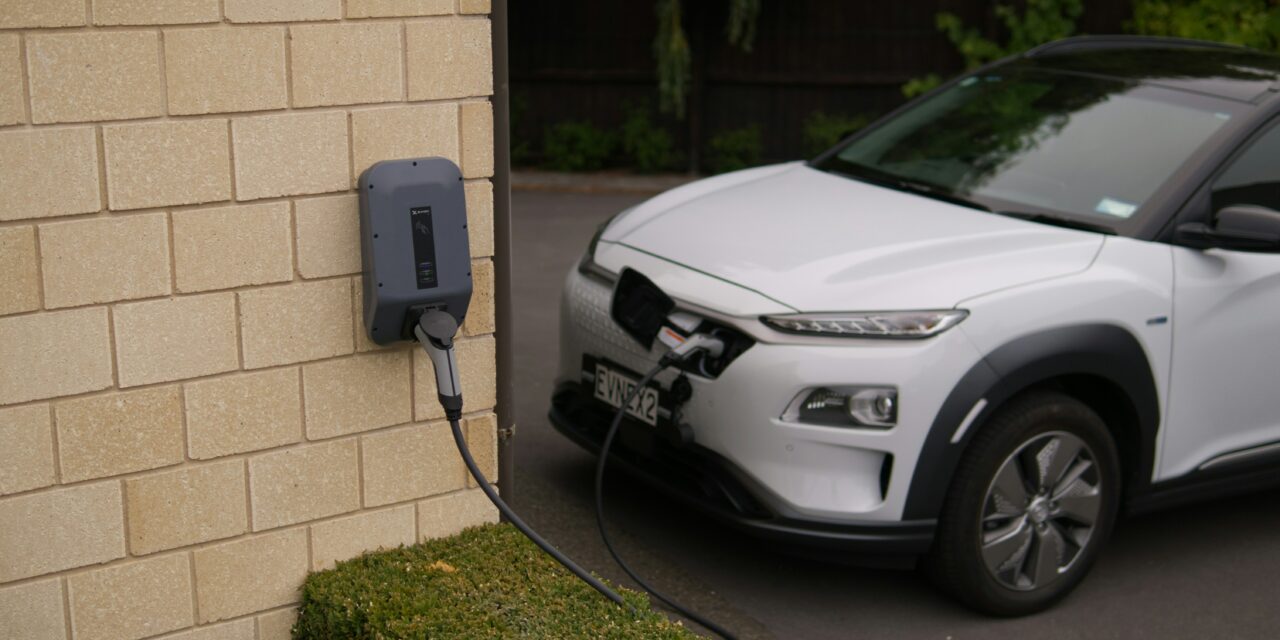
Installing an EV charger in a terraced house in the UK presents a unique set of challenges – most notably the lack of a private driveway. Yet, with the right approach, a home wallbox can be a practical, cost‑effective solution that dramatically reduces your charging bills compared with public points.
What does it really cost?
As of mid‑2026, a standard 7 kW smart charger (such as the Rolec WallPod:EV HomeSmart, Ohme Home Pro, or Zappi) costs roughly £600‑£950 for the unit alone. Fully installed – including wiring, an isolator switch, and basic labour – most UK installers quote £800‑£1,500 for a straightforward terraced‑house job. The final figure hinges on several variables: how far the charger must sit from your fuse board, the thickness and material of your external walls, and whether your consumer unit needs an upgrade to handle the extra load.
What Affects the Price?
Several key factors influence the final installation cost for your terraced property:
Distance from fuse board / consumer unit
The further your chosen installation point is from your electrical consumer unit, the more cable and labour required. In terraced houses, the consumer unit is often indoors at the front of the property, while you may want the charger at the rear – increasing cable runs through walls or under floors.
Wall construction
Terraced houses vary from solid brick or stone constructions to modern cavity walls. Solid walls are harder to drill through and may require specialised tools and techniques, increasing labour time. Older properties might have lime mortar or uneven surfaces that complicate secure mounting.
Age/condition of electrical system
Many terraced properties, especially Victorian or Edwardian builds, have older electrical systems that may need upgrading to support a dedicated EV charger circuit. This could involve replacing the consumer unit, upgrading wiring from the meter, or adding a dedicated residual current device (RCD).
Charger model & smart features
Basic non‑smart chargers start around £400, while feature‑rich models with app control, load balancing, and solar compatibility (like the Zappi or Ohme) range from £700‑£1,200. Smart features can help optimise charging during off‑peak hours, potentially saving money long‑term.
Extras (isolator, floodlight, cable length)
Regulations require an isolator switch within reach of the charger for safety. Adding an external floodlight for night‑time use or opting for a longer cable to reach your parking spot will add to the total.
Terraced‑House Specific Considerations
No driveway? Pavement‑channeling & cross‑pavement solutions
If you park on the street, running a cable straight across the pavement is both unsafe and usually illegal. The UK‑approved remedy is a cross‑pavement channel (sometimes called a “gully” or “trench”) that houses the charging cable flush with the footway. This work must be carried out by a contractor authorised by your local highways authority, and you’ll need their consent (and often planning permission) before digging begins.
Council & highways permissions
Installing a pavement channel requires permission from your local council’s highways department. Some councils have streamlined processes for approved contractors, while others require individual applications. Expect to wait 2‑6 weeks for approval, and factor in potential application fees (typically £50‑£150).
Landlord/freeholder approval (if renting)
If you rent your terraced house, you’ll need permission from your landlord or the freeholder to install the charger and make any alterations to the property exterior. Some landlords may be hesitant due to concerns about property damage or liability.
Grant eligibility for on‑street parking (OZEV/EV Chargepoint Grant)
Fortunately, the government’s EV Chargepoint Grant still supports households that rely on on‑street parking. By installing an approved chargepoint together with a permanent pavement‑channel solution, you can claim up to £350‑£500 (or 75 % of the total cost, whichever is lower) toward both hardware and installation. To qualify you must:
- Use an OZEV‑approved installer
- Fit a grant‑eligible chargepoint model
- Provide evidence of highways‑authority permission for the channel
- Show you are the registered keeper/lessee of an OZEV‑approved EV
Step‑by‑Step Installation Process
-
Home survey – Most charger suppliers offer a free home assessment to determine cable route, wall suitability, and any needed electrical work. For terraced houses, this survey is crucial to assess pavement‑channeling feasibility.
-
Quote & permissions – The installer will produce a detailed quote and handle the application for highways/planning consent (you may need to liaise with your council directly). They should also check if your electrical system needs upgrading.
-
Electrical upgrades (if needed) – If your consumer unit is outdated or lacks capacity, an electrician will install a new unit or add a dedicated circuit. This step can add £300‑£800 to the total.
-
Pavement channel installation (by approved contractor) – A licensed contractor digs a shallow channel (typically 100‑150mm deep) across the pavement, lays conduit for the cable, and reinstates the surface to match the surrounding footway. This ensures the cable is protected and eliminates trip hazards.
-
Wallbox mounting, wiring, isolator fit‑out – The charger is mounted on an exterior wall, wired back to your consumer unit via the pavement channel, and an isolator switch is installed nearby. All connections are tested for safety.
-
Testing, commissioning & app setup – The installer verifies the charger communicates correctly with your EV, sets up any smart features or apps, and provides you with all necessary documentation and warranty information.
Grants & Incentives Available in 2026
EV Chargepoint Grant for households with on‑street parking
This grant provides up to £350‑£500 towards the cost of purchasing and installing an EV chargepoint when combined with a pavement‑channeling solution. The grant covers both hardware and installation costs.
Landlord/tenant schemes
Some local councils offer additional incentives for landlords who install EV charging points for tenants, potentially covering a portion of the installation cost.
Salary‑sacrifice & employer voucher options
If your employer offers an EV salary‑sacrifice scheme, you might be able to include charging point installation as part of the package. Some employers also provide workplace charging vouchers that could be used towards home installation.
How to apply & required evidence
Your OZEV‑approved installer typically handles the grant application process. You’ll need to provide:
- Proof of identity and address
- Vehicle registration document (V5C) showing you’re the keeper/lessee of an eligible EV
- Evidence of highways‑authority approval for the pavement channel
- Details of the approved chargepoint being installed
- Installer accreditation details
Cost‑Saving Tips & Alternatives
Bundling charger + installation
Many suppliers offer package deals that include the charger and standard installation at a fixed price. This can provide better value and clearer budgeting than sourcing components separately.
Off‑peak electricity tariffs (Octopus Agile, etc.)
Once installed, switching to an intelligent time‑of‑use tariff like Octopus Agile can significantly reduce your electricity costs for charging, especially if you can charge during off‑peak periods.
Community charging schemes & lamp‑post trials
Some councils and community groups are trialling shared EV charging infrastructure in terraced streets, where multiple households use a few strategically placed chargepoints. While not yet widespread, this could reduce individual installation costs.
Using a 3‑pin plug only for emergencies
While it’s technically possible to charge using a standard 3‑pin domestic socket (often called “granny charging”), this is slow (2‑3kW max) and should only be used occasionally. The continuous high load can overheat older wiring common in terraced houses, so it’s not a recommended long‑term solution.
Running Costs – Charging at Home vs. Public
Let’s look at some example calculations for a typical mid‑size EV with a 60kWh battery:
- Home charging (assuming £0.30/kWh on standard tariff): ~£18 for a full charge
- Public rapid charging (£0.80/kWh): ~£48 for a full charge
- With off‑peak tariff (£0.10/kWh): ~£6 for a full charge
Over a year of 12,000 miles, home charging could save you £500‑£1,000+ compared with relying solely on public charging – helping offset the installation cost within 2‑4 years.
FAQ
Do I need three‑phase power?
No. Almost all home EV chargers in the UK are single‑phase 7kW units, which are compatible with the standard residential electricity supply. Three‑phase power is typically only needed for commercial or higher‑powered (22kW+) installations.
Can I install the charger myself?
Unless you are a qualified electrician, no. EV charger installation involves working with your home’s electrical system and must comply with Part P of the Building Regulations. Incorrect installation can create serious safety hazards and may invalidate your home insurance.
What if my terrace has a shared wall?
If you live in a mid‑terraced property, you’ll need to ensure the charger is installed on your own party wall and doesn’t encroach on neighbouring properties. You may need to check your property deeds and potentially inform your neighbours, though formal permission isn’t usually required for work on your own wall.
How long does installation take?
A standard installation typically takes 1‑2 days. The pavement channel work often takes the longest due to council approval processes and the physical digging/reinstatement work. The actual charger mounting and wiring usually takes half a day.
Conclusion – Is a home EV charger worth it for a terraced house?
For most terraced‑house EV owners, yes – a home charger is a worthwhile investment despite the upfront cost and installation complexities. Even with pavement‑channeling and potential electrical upgrades, the long‑term savings on charging costs, combined with the convenience of waking up to a fully charged vehicle every morning, typically make it the most economical choice.
The key is to work with experienced installers who understand the specific challenges of terraced properties and can navigate the council approval process for pavement channeling. With the available grants reducing the upfront cost by hundreds of pounds, the payback period becomes even more attractive.
If you’re considering making the switch to home charging, start by:
- Checking if your pavement is suitable for channeling (consult your council)
- Getting quotes from OZEV‑approved installers experienced with terraced houses
- Verifying your eligibility for the EV Chargepoint Grant
- Comparing the total installed cost against your current public charging expenses
With careful planning, a home EV charger can transform your terraced house into an EV‑friendly home, giving you the convenience and cost benefits of home charging without needing a private driveway.