
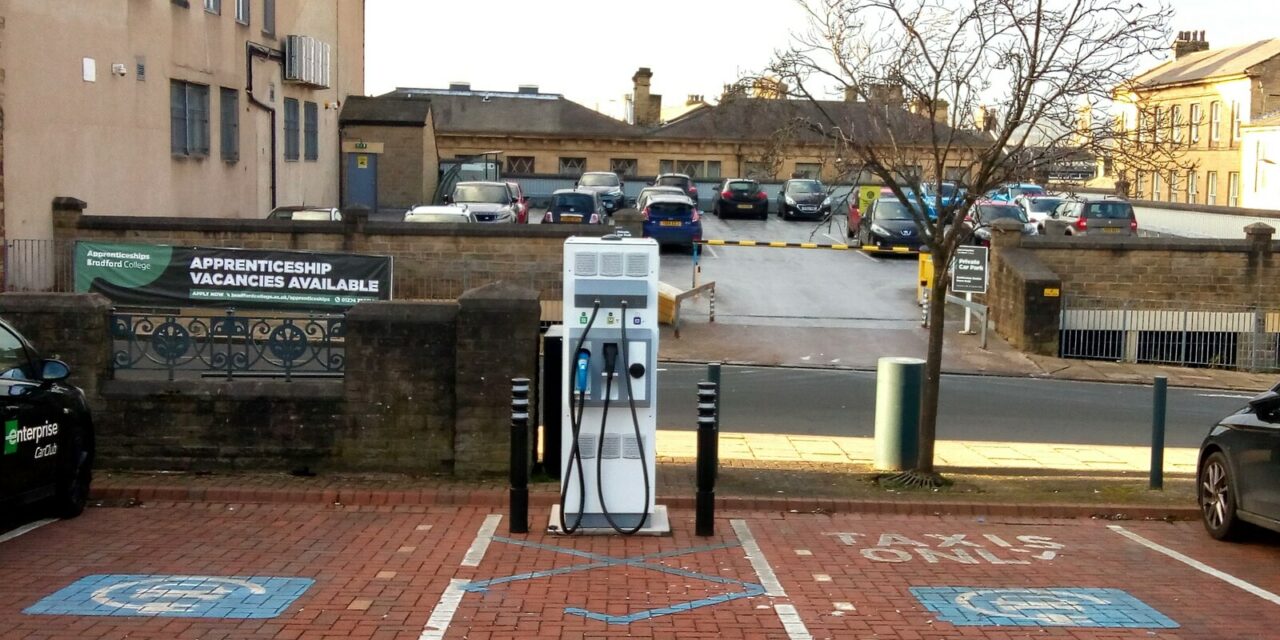
The government has raised key EV charger grants from £350 to £500 and extended them to 31 March 2027. That sounds like a simple win for drivers, but the real UK story is whether renters, flat owners and households without driveways can actually get the supporting approvals and pavement-channel infrastructure that make home charging possible.
What happened
The UK government announced on 25 February 2026 that several home and workplace EV charging grants would rise to as much as £500 per socket, with the higher rates applying from 1 April 2026.
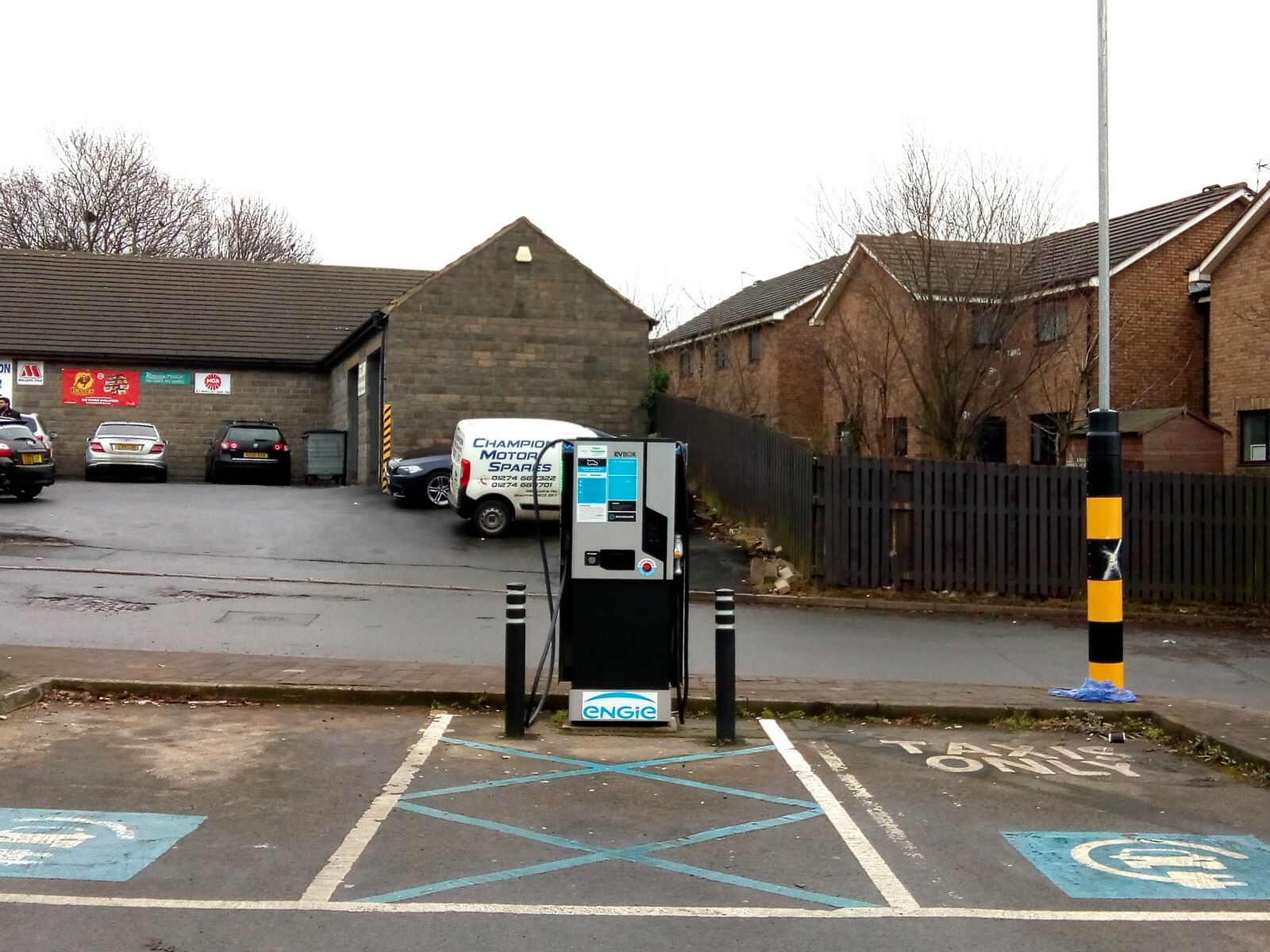
Under the updated OZEV rules, the higher cap now applies to the flats and renters grant, the residential landlord chargepoint grant, the households with on-street parking grant and the main Workplace Charging Scheme. Those schemes now run until 31 March 2027.
That matters because £500 is a much more meaningful contribution than the old £350 ceiling once you include installation work, especially where a charger is not a straight driveway wallbox job. It also means the policy is finally leaning harder toward the people who have been hardest to bring into the EV conversation: renters, flat owners and households that park on the street.
Why it matters for UK drivers and buyers
The cheapest way to run an EV in Britain is still to charge at home on a good domestic tariff. That has been obvious for years. The problem is that a huge slice of the market has been locked out of that advantage because they do not have a private driveway.
So this is not really a story about saving £150 more on a charger. It is a story about whether the government can make home-style charging feel realistic for people in terraces, flats and rented homes, not just detached houses with off-street parking.
If that works, the effect goes beyond charger sales. It changes the maths of buying an EV in the first place, because buyers who thought they were stuck with pricier public charging may suddenly have a route to cheaper overnight charging closer to home.
The details people might miss
The first detail is timing. This is an extension for a final year, not a long-term settlement. In other words, the government has bought itself time, but it has not removed uncertainty beyond March 2027.
The second is that the on-street version only works if local councils play ball. The grant can support households without driveways, and the separate £25 million pavement channels fund is meant to help councils install cross-pavement channels in England. But that still leaves a very practical bottleneck: local authority approval, local rollout speed and local willingness to support the idea.
That means eligibility on paper is not the same thing as easy access in real life. In some areas this could make EV ownership look much more viable. In others, drivers may still find that the infrastructure pathway is slow, patchy or simply unavailable.
The third detail is that some applicants who moved early may have options. OZEV says customers who applied for the flats and renters grant or residential landlord chargepoint grant before 1 April 2026 can reapply for the new £500 rate, as long as the charger has not already been installed.
The fourth is that businesses and schools are not seeing exactly the same treatment. Workplaces can now get up to £500 per socket and businesses are eligible for up to 40 sockets across their sites. State-funded education institutions can apply for up to £2,000 per socket from 1 April 2026, while vouchers issued before that date can still remain valid for up to £2,500 per socket.
Why multiple outlets jumped on it
This story travelled because it hits several pressure points at once. It is consumer-facing, it is clearly UK-specific, it affects the running-cost case for EVs, and it gives publishers an easy headline number.
But the more interesting angle is not the headline number. It is that policymakers now seem to understand the next EV battleground is not just convincing driveway owners. It is making the switch feel workable for everyone else.
That is a much harder job than increasing a grant cap, because it depends on installer capacity, council processes, parking layouts and how many households can actually use the support without a bureaucratic fight.
What to watch next
There are two things worth watching from here.
First, whether councils make meaningful use of the pavement channels funding and turn the on-street charging promise into something drivers can actually access.
Second, whether ministers do more on the cost gap between home and public charging. Raising charger grants helps with installation, but it does not solve the wider affordability problem for drivers who will still need to rely on public charging some of the time.
So yes, the grant increase is real, useful and worth knowing about. But the part UK drivers should pay attention to is whether this finally turns EV home charging from a driveway privilege into something more mainstream.




Trackbacks/Pingbacks