
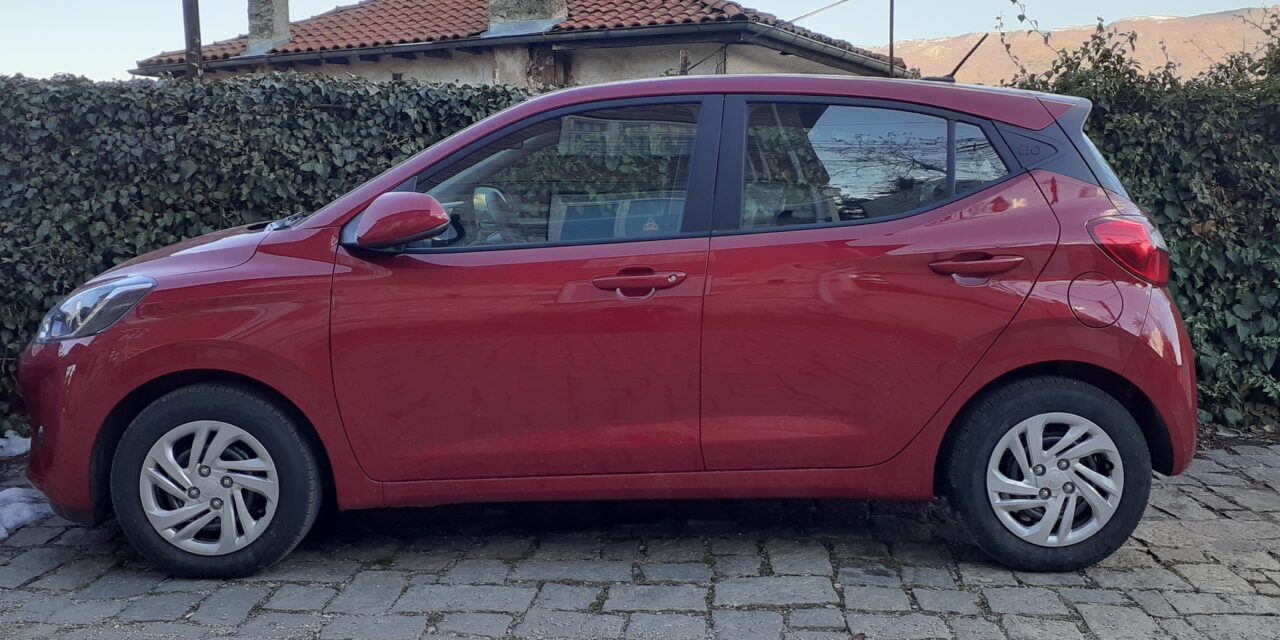
If your Hyundai i10 has tyre sidewall damage, it can fail its MOT, but not every scuff or scrape is an automatic fail. The tester is looking for structural damage, not cosmetic marks.
Quick answer
A Hyundai i10 will fail its MOT if tyre sidewall damage exposes the ply or cords, or if the sidewall has a cut, bulge, tear or lump serious enough to weaken the tyre. A light surface scuff that has not reached the cords and has not caused a bulge is less likely to fail, but it still needs checking properly.
What MOT testers check on tyre sidewalls
Under the UK MOT inspection manual, tyre condition is a serious issue because sidewall damage can lead to sudden failure.
For a Hyundai i10, the same rules apply as they do for any other car. A tester will look for:
- cuts or tears deep enough to reach the ply or cords
- bulges, lumps or deformation in the sidewall
- exposed cords
- damage caused by separation or partial structural failure
- general tyre condition that makes the tyre unsafe
In plain English, a tyre sidewall mark is most likely to become an MOT problem when it is no longer just surface damage and has started affecting the tyre’s structure.
What usually counts as an MOT fail
Exposed cords or ply
If the outer rubber has been cut deeply enough that the reinforcing cords or ply are visible, that is a straightforward fail. At that point the tyre is structurally compromised and should be replaced.
A bulge or lump in the sidewall
A bubble or bulge in the sidewall is one of the clearest warning signs. It usually means the inner structure has been damaged, often after hitting a pothole or kerb. Even if the tread still looks decent, a sidewall bulge is a serious defect and the tyre needs replacing, not repairing.
A split, tear or severe cut
If the sidewall has a tear or cut that looks deep, jagged or spread open under load, expect trouble at the MOT. Testers are assessing whether the damage has weakened the tyre, not whether the car still feels drivable for a short trip.
What might not fail an MOT
A minor scuff from brushing a kerb does not always mean an MOT fail.
If the mark is shallow, the cords are not visible, there is no bulge, and the tyre is otherwise sound, the car may still pass. But this is the part that catches owners out. Some sidewall damage looks cosmetic until the tyre is cleaned and inspected closely.
If you are unsure, treat it as a safety check rather than a guessing game.
Why Hyundai i10 owners often notice this problem early
The Hyundai i10 is a light city car that spends a lot of time around kerbs, narrow streets and potholes. That means sidewall knocks are easy to pick up during normal town driving.
On an i10, common causes include:
- clipping a kerb while parking
- hitting a pothole with the front wheel turned
- running under-inflated tyres, which makes the sidewall work harder
- catching debris or a sharp edge in the road
That does not mean the i10 is unusually prone to MOT tyre failures. It just lives the sort of life where sidewall damage is easy to collect if the tyres are neglected.
How to check your Hyundai i10 before the MOT
1. Turn the steering and inspect both front sidewalls
Damage is often easier to see on the outer edge of the front tyres because that is where kerb contact happens.
Look for:
- a raised bubble or blister
- cuts deeper than the outer rubber
- cracking around an impact point
- fabric or cords showing through
2. Check the rear tyres too
Rear tyres get forgotten, especially on small cars. A sidewall cut on the rear can still trigger a fail.
3. Check tyre pressures
If a tyre has been run soft after an impact, sidewall damage can worsen quickly. Correct pressures will not fix damage, but they can help you spot whether the tyre has been neglected as well.
4. Do not rely on tread alone
Many failed tyres still have legal tread depth. Sidewall condition is a separate issue.
Can a tyre sidewall be repaired?
Usually, no. In practice, sidewall damage nearly always means replacement rather than repair.
Repairs are generally for limited damage in the central tread area, not the sidewall. If your Hyundai i10 tyre has a bulge, exposed cords or a meaningful cut in the sidewall, the safe answer is to replace it.
Is it safe to drive before the test?
If the tyre has a bulge, deep cut or exposed cords, driving the car is a bad idea. Sidewall damage can worsen suddenly, especially at speed or after another pothole strike.
If the damage looks superficial, the car may still be usable for a very short trip to a tyre specialist, but that is not something to gamble on. If there is any doubt, get it inspected before driving normally.
Typical UK replacement cost for an i10 tyre
The Hyundai i10 usually uses relatively affordable tyre sizes, so sidewall damage is often more annoying than financially disastrous.
Typical rough UK pricing is often:
- budget tyre: about £45 to £65 fitted
- mid-range tyre: about £60 to £90 fitted
- premium tyre: about £85 to £120 fitted
Prices vary by wheel size and brand, but compared with larger SUVs or performance cars, an i10 tyre is usually at the cheaper end of the market.
What to do if you are buying a used Hyundai i10
If an MOT history shows a tyre-related fail, do not panic, but do ask questions.
A one-off tyre sidewall failure can simply mean the previous owner clipped a kerb. What matters more is the pattern. Repeated tyre failures, damaged alloy wheels and poor alignment signs can point to careless ownership or suspension issues.
If you want to avoid uneven wear after replacing a tyre, it is also worth understanding wheel alignment vs tracking, especially if the car has recently hit a pothole.
How to reduce the chance of another MOT fail
Before your next MOT:
- inspect all four tyre sidewalls in daylight
- keep the tyres at the correct pressure
- avoid mounting kerbs while parking
- replace any tyre with a bulge or exposed cords immediately
- get the wheel alignment checked after a heavy pothole impact
Verdict
A Hyundai i10 tyre sidewall damage MOT fail usually comes down to one question: is the tyre structurally damaged or just cosmetically marked?
If the sidewall has a bulge, tear, or exposed cords, expect an MOT fail and replace the tyre straight away. If it is only a light scuff, it may still pass, but it is worth having it checked properly rather than turning up to the test and hoping for the best.



Trackbacks/Pingbacks