If you are buying a used car privately or from a small dealer, an outstanding finance check is one of the easiest ways to avoid a very expensive mistake.
Plenty of buyers already know to check the MOT history, look for crash damage and make sure the V5C is present. Fewer realise that a car can still have finance attached to it, and that the free GOV.UK checks do not tell you that part.
That matters because, depending on the agreement, a lender may still have rights over the vehicle until the finance is settled. In practice, that can leave a buyer facing a dispute, a delayed sale or, in the worst cases, the car being taken back.
Here is the simple UK process that actually works, what the free checks can and cannot tell you, and when it is smarter to walk away.
The short version
Before you buy a used car in the UK:
- get the registration number and the seller’s full name and address
- run the free GOV.UK tax and MOT history checks
- pay for a proper vehicle history check that includes outstanding finance
- compare the results with the V5C and the seller’s story
- do not send a deposit until anything unclear has been resolved
The key point is this: there is no single free official government check that confirms whether a car has outstanding finance. Free checks are useful, but the finance part usually needs a paid vehicle history check from a reputable provider.
Why outstanding finance is such a big deal
When drivers talk about "finance on a car", they usually mean an agreement such as hire purchase, PCP or another arrangement linked to that vehicle.
If the agreement has not been settled, the seller may not have a completely clear right to sell the car as though it is theirs to dispose of with no strings attached. That is why buyers are told to check before paying, not after the handover has gone wrong.
This is also why a cheap private sale can be a trap. If a seller is in a rush, wants a fast bank transfer and seems vague about ownership, you need to know whether you are buying the car or buying someone else’s finance problem.
What the free GOV.UK checks can tell you
The free checks are still worth doing. They just do not replace a finance check.
1. Vehicle tax status
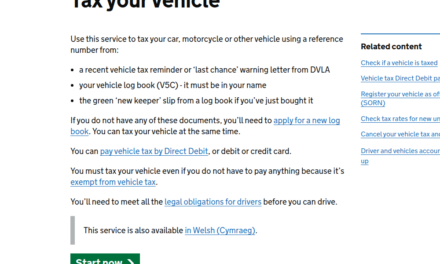
Use the official GOV.UK vehicle enquiry service to confirm whether the car is taxed or off the road on SORN. It also helps you confirm basic details such as make, colour and engine size.
If you want a full step by step on that process, see our guide to checking whether a car is taxed.
2. MOT history
The GOV.UK MOT history checker is one of the best free tools any buyer can use. It lets you see recorded mileages, previous failures, advisories and the car’s test pattern over time.
That can help you spot signs that the seller’s story is not adding up. For example, if the mileage leaps backwards or the car has repeated advisories for the same neglected issue, you already know to be cautious.
We have covered that in more detail in our guide to an MOT history check before buying a used car.
What those free checks do not tell you
They do not tell you whether the car has:
- outstanding finance
- a stolen marker
- an insurance write-off record
- other paid-for history markers gathered from trade databases
That is the gap buyers need to understand.
What a proper paid finance check should include
A worthwhile vehicle history check should do more than just mention finance. Before you pay for one, make sure it covers:
- outstanding finance
- stolen vehicle records
- insurance write-off markers
- mileage discrepancy alerts
- plate, VIN or specification mismatches where available
In other words, do not pay for a thin report that only repeats information you could already get free elsewhere.
The finance result is the part that matters most for this article, but the extra history data is often what helps you decide whether the whole deal feels safe.
The checks to run before you send any money
This is the order that makes sense for most buyers.
1. Get the registration number early
If a seller is reluctant to give you the registration before you travel, treat that as a warning sign. Serious sellers usually understand why buyers want to do background checks.
You should also ask for:
- the seller’s full name
- the address where the car is kept
- the current mileage
- a photo of the V5C front page if you are arranging a viewing from distance
2. Match the story to the free official records
Run the GOV.UK tax and MOT checks first.
Make sure the basic details match the advert and what the seller has told you. If the car is described as a certain engine, trim or age and the records point another way, stop and ask why.
A mismatch does not always mean dishonesty, but it means you should not move to payment until you understand it.
3. Pay for a vehicle history check that includes finance
This is the moment many buyers try to save a few pounds and end up taking a much bigger risk.
A paid history check is usually a tiny cost compared with the price of the car, the deposit you might lose or the legal mess you could inherit if the vehicle is not clear.
You do not need to overcomplicate it. The important part is choosing a reputable provider and making sure the report explicitly includes outstanding finance data.
4. Read the result properly, not just the green tick
If the report is clear, that is helpful, but still read the details. Check:
- whether the registration matches the car you viewed
- whether the report flags previous plates or identity concerns
- whether there are warnings about write-off history or theft markers
- whether anything in the dates looks odd
If the report flags finance, do not assume a verbal promise from the seller is enough.
5. Ask direct questions if finance is flagged
If a report shows outstanding finance, ask the seller:
- what type of finance is on the car
- how much is left to settle
- whether they have a written settlement figure
- how they intend to clear it before or at sale
A genuine seller may have a clear plan and proper paperwork. A dodgy one usually becomes evasive at exactly this point.
When a car with finance might still be saleable
A financed car is not automatically untouchable. Some sellers clear finance as part of the sale process, especially where the car’s value is enough to cover the settlement.
But this is where buyers need to stay disciplined.
If the seller says the finance will be cleared on the day, do not rely on optimism or screenshots alone. You need clear evidence of how that settlement is being handled. If the arrangement feels rushed or confused, the safest decision is usually to pause the deal.
For the seller-side process, our guide on selling a car with finance still on it explains how a legitimate transaction is normally handled.
Red flags that should make you slow down or walk away
Be especially cautious if you see any of these:
- the seller refuses to share the registration number in advance
- the V5C details do not match the seller or the address
- the seller wants a deposit before you have run checks
- the price is noticeably below market with no convincing reason
- the advert says "HPI clear" but the seller will not share any report or paperwork
- the seller becomes defensive when you ask about finance or ownership
- the car is being sold in a car park, lay-by or somewhere that does not match the registered address
One red flag is not always enough to kill a deal. Several together usually are.
What if you have already paid a deposit?
If you paid by credit card through a dealer, there may be extra protection depending on the amount and the exact circumstances. That is one reason even a small card payment can be worth considering on a car purchase.
Our guide on Section 75 and car deposits explains where that protection can help.
If it is a private sale and the finance issue only appears after payment, the situation can become much messier. That is exactly why pre-purchase checks are worth doing before money moves.
Does a dealer sale make this less important?
A dealer should usually be better organised than a private seller, but that is not a reason to skip checks.
A dealer may sort the finance element properly before completion, but from a buyer’s point of view the sensible approach is the same: verify first, pay second.
This also fits with a wider used-car buying routine. Alongside finance, you should still check for recalls, MOT history gaps and paperwork issues. Our used car recall check guide is a good companion read before you commit.
A simple rule for private buyers
If you are buying a used car privately and have not run a finance-inclusive history check, you are buying on trust alone.
Sometimes that trust is deserved. Sometimes it is expensive.
The paid check will not tell you everything about a car’s condition, but it can answer one of the biggest ownership questions before you hand over a bank transfer that is hard to unwind.
Bottom line
If you want to check a used car for outstanding finance in the UK, start with the free GOV.UK checks, but do not stop there.
Use the official tools to confirm the car’s identity, tax status and MOT history. Then use a reputable paid vehicle history check to look for outstanding finance and the other markers that free tools do not cover.
It is not the most glamorous part of buying a car, but it is one of the cheapest ways to avoid turning a bargain into a dispute.