There is no useful grace period after an MOT expires. If your test has run out, the car is not road-legal for normal use just because you only missed it by a day or two.
According to GOV.UK, you cannot drive or even park the vehicle on the road once the MOT has expired. The main exceptions are narrow: driving to a pre-arranged MOT test, or to and from somewhere for repairs. That means the smartest next move is not a quick errand or a hopeful drive to work. It is getting the facts straight, booking the test, and taking the lowest-risk route back to legal use.
Start by checking the exact MOT position
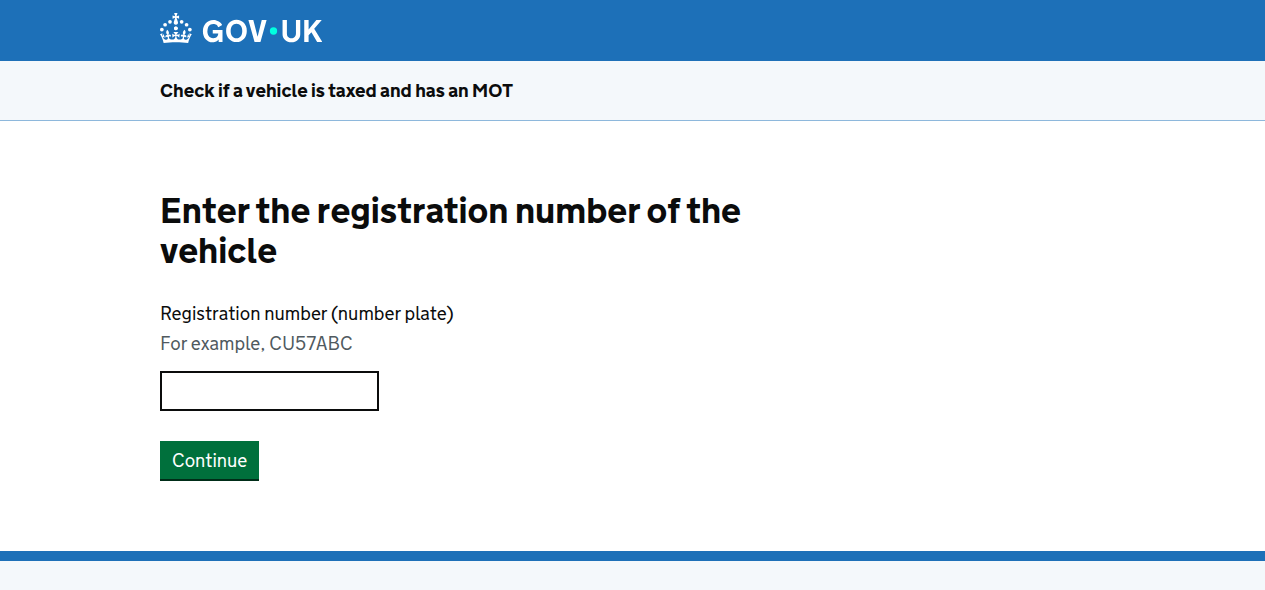
Do not trust memory, an old reminder, or the sticker from last year. Use the official GOV.UK tools to check:
- your current MOT status and expiry date
- your MOT history, including previous failures and advisories
- whether the car has a pattern of repeat problems that might matter before the retest
This matters because many drivers realise too late that the certificate has already expired, or that the car has a history of advisories for tyres, brakes, corrosion or suspension that now need attention before another test.
If it is not your own car, the same history check is worth doing before you agree to buy it. A fresh pass on its own is not the whole story.
No, there is not a proper grace period
GOV.UK says you can be fined up to £1,000 for driving without a valid MOT. It also states that you cannot drive or park the vehicle on the road once the MOT has run out.
So these common assumptions are wrong:
- I only missed it yesterday, so it will be fine
- the car is taxed and insured, so I can still use it
- I can leave it parked outside my house until the garage has a space
- I can drive it normally as long as I have a test booked later in the week
The booking does not create a free pass for everyday use. It only helps with the specific journeys the rules allow.
When you can still drive legally
If the MOT has expired, the usual lawful route is limited to:
- driving to a pre-arranged MOT test
- driving to or from a place of repair
That is the part drivers often overestimate. The exception is there to let you get the car tested and fixed, not to carry on using it as normal.
In plain English, the safest reading is this: if you are relying on the MOT exception, go directly to the booked test or the repairer, and keep proof of the appointment. A diversion for shopping, school run duty or commuting is exactly the sort of thing that turns a defensible journey into a bad argument at the roadside.
What counts as a pre-arranged MOT test?
A proper booking means a real appointment with a test centre, not a plan to ring around later. Keep the confirmation text, email or booking reference, and make sure the time and location are clear.
If you are stopped on the way, being able to show that the test was booked in advance is the difference between sounding plausible and actually having evidence.
It is also sensible to check that the garage can really take the car when you arrive. If the slot has been cancelled, moved or never properly confirmed, the journey becomes much harder to justify.
If the car is parked on the street, move carefully
One awkward part of the rule is that GOV.UK says you cannot drive or park the vehicle on the road once the MOT has run out. That catches owners who leave the car outside their home and assume it can stay there until they get around to the test.
If the vehicle is already on a public road with an expired MOT, the cleanest solution is to book the test promptly and move it only within the permitted exception, or use recovery if the legal position is messy. If you have off-street parking, get it off the road rather than leaving it there.
If the tax is due as well, the problem gets bigger
GOV.UK also says you cannot renew vehicle tax if the MOT has expired. So if both deadlines have caught you out, the order matters:
- book the MOT
- get the vehicle tested and repaired if needed
- pass the MOT
- tax the vehicle once the pass is recorded
That catches people every year. They try to sort the tax first, discover they cannot, and only then realise the MOT expiry has blocked the whole process.
What if it fails and needs repairs?
The rules allow driving to or from somewhere to be repaired, but this is not a blank cheque either. If the car is clearly unsafe, recovery is the smarter answer.
A failed MOT can also come with different levels of fault. Dangerous defects are a separate red flag. Even where an MOT-related exception exists in principle, a genuinely unsafe car should not be driven. If the brakes, steering, tyres or lights make you doubt whether it is fit for the road, stop pretending this is a technicality and arrange transport instead.
The quickest low-risk route back onto the road
If you have missed the date, this is the practical order that causes the least trouble:
1. Check the status on GOV.UK
Confirm the expiry date and make sure you are not working from bad memory.
2. Book the MOT before you move the car
Choose a real appointment and keep proof. If the nearest trustworthy garage cannot fit you in quickly, check another local test centre instead of continuing to use the car.
3. Decide whether it is sensible to drive there
Legal is not the same as wise. If the car has warning lights, poor brakes, badly worn tyres or another obvious fault, book recovery or have it transported.
4. Drive directly to the test or repairer
No detours, no extra stops, no normal day-to-day use on the back of the booking.
5. Sort repairs quickly if it fails
The longer the car sits with an expired MOT, especially on the road, the more chance you create for hassle you did not need.
6. Tax it if needed once the MOT pass is recorded
Do not assume the admin catches up instantly. Check that the vehicle record reflects the pass before you rely on it.
Mistakes that make a simple problem worse
Drivers usually get into deeper trouble by doing one of these:
- using the car normally because the MOT only expired recently
- parking it on the road outside home and forgetting about it
- booking a test and then making unrelated trips first
- assuming tax can be renewed before the MOT is sorted
- driving a car that is obviously unsafe because they think the booking protects them
The pattern is the same every time: a small admin slip becomes a legal and financial mess because the owner tries to stretch the exception further than it goes.
A useful habit for next year
You can get an MOT up to a month minus a day before expiry and still keep the same renewal date. That is the easiest way to avoid the last-minute scramble. It gives you time to deal with a fail, shop around for repairs, or sort tyres and brakes without the pressure of an already-expired certificate.
Set a reminder, book early, and treat advisories as advance notice rather than background noise. That one habit is cheaper than rushing into repairs after the MOT has already run out.
Bottom line
If you have missed your MOT date, act like the car is out of bounds for normal road use because, legally, it is. Check the status, book the test, keep proof, and only use the vehicle within the narrow journeys the rules allow.
That approach is less dramatic than gambling on a myth about grace periods, but it is the one that gets you back on the road without turning a forgotten date into a much bigger problem.