If you have seen a scary Ford Puma MOT pass-rate figure and assumed the current car must be a poor bet, the full story is a bit more complicated.
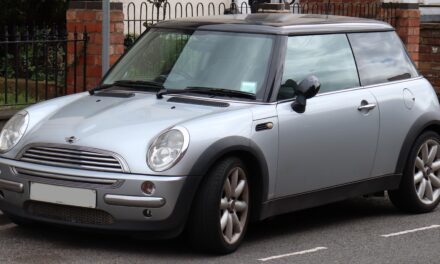
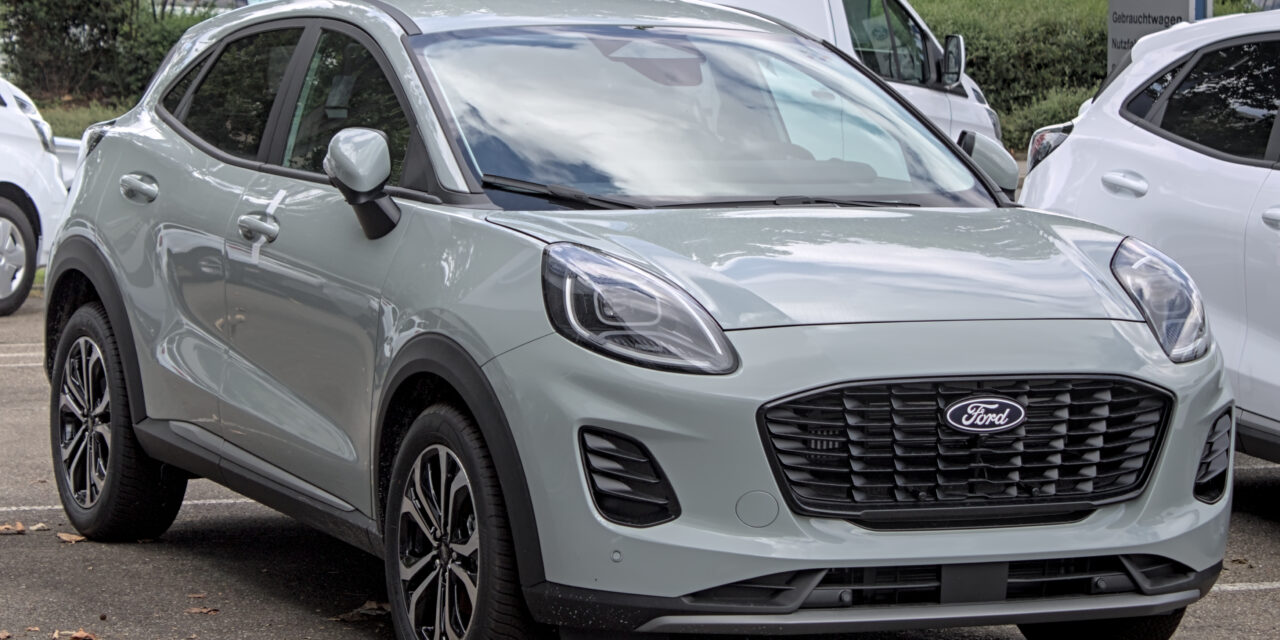
The big catch is that two very different cars share the Ford Puma name in UK MOT data. The original late-1990s coupe and the current small SUV are lumped together in many summaries, which can make the headline number look far worse than a buyer or owner of a newer Puma might expect.
Quick answer
No, the current Ford Puma is not failing MOTs at anything like the rate the headline number suggests. The weak overall figure is mostly dragged down by much older first-generation cars, where corrosion, worn suspension parts and ageing brake components are far more common. On newer Pumas, first-test failures are more likely to be the sort of issues you would expect on a modern small SUV, such as tyres, brake wear and the occasional lighting problem.
Why the Ford Puma’s overall MOT pass rate can look low
Model-level MOT summaries often combine the 1997-2002 Ford Puma coupe with the 2019-on Ford Puma crossover. That matters because the older car is now deep into the age range where corrosion, tired bushes, brake pipe damage and worn driveline components become much more common.
By contrast, the current-generation Puma is still relatively young in MOT terms. In the 2024 test-year data, all Ford Pumas combined sat at about 72.3%, but 2020 cars were around 90% and 2021 cars around 90.7%. Older 1998-2002 cars were much weaker, with several years sitting in the high-60s. That gap is what drags the headline number down.
So if you are researching a used 2020-on Ford Puma, the all-years headline figure is not the number you should focus on. What matters more is the MOT history of the specific car in front of you.
Which Ford Pumas are dragging the figure down?
The original coupe is the main reason the aggregate pass rate looks underwhelming.
Older Puma examples are now at an age where MOT testers are far more likely to spot:
- corrosion near suspension or subframe mounting points
- corrosion close to seat belt anchorage areas
- worn suspension bushes or joints
- split CV boots
- damaged or heavily corroded brake pipes
That is exactly the sort of age-related deterioration you would expect on a 1998, 1999, 2000 or 2001 car that has spent years on British roads.
The current Puma tells a different story. Early failures on newer cars tend to look much more ordinary: tyres, brake pad wear and brake performance issues are more believable concerns than major structural decay.
Common MOT failure reasons on older Ford Pumas
If you are looking at the original Ford Puma coupe, the biggest MOT risk is usually rust and wear rather than one single design flaw.
1. Structural corrosion
This is the big one. Once an older car starts corroding around prescribed areas, repair costs can rise quickly. Testers pay close attention to structural strength near suspension mountings, subframes and seat belt anchorage points, because corrosion here is a genuine safety issue rather than a cosmetic annoyance.
2. Suspension wear
Suspension bushes, pins and joints naturally wear with age and mileage. On an older Puma, that can show up as knocks, vague steering feel, uneven tyre wear or poor stability over broken surfaces. If you have already read our guide to a Ford Focus suspension arm bush MOT fail, the logic is very similar: rubber components age, crack and eventually create enough play to fail.
3. Brake pipes and brake hardware
Corroded brake pipes are a classic ageing-car problem in the UK. Surface rust does not always mean instant disaster, but once pipe condition gets bad enough to threaten strength or sealing, it becomes a serious MOT issue.
4. CV boots and driveline wear
A split constant-velocity boot can seem minor, but once grease escapes and dirt gets in, it can quickly lead to a more expensive joint problem. On an older used Puma, it is the sort of thing worth spotting before test time.
What current Ford Puma owners should check before MOT day
If you have the newer crossover, the advice is much less dramatic.
Tyres
Tyres are one of the easiest ways to turn a simple MOT into a fail. Check tread depth across the central three-quarters of the tyre, look for cuts or sidewall damage, and do not ignore uneven wear. If the car is chewing through its front tyres, that can also point to alignment or suspension issues.
Brake pads, discs and brake feel
Listen for grinding, feel for vibration and pay attention if the pedal feels inconsistent. A newer Puma is far more likely to fail on normal brake wear than on the structural issues that affect the old coupe.
Lights and visibility items
Headlamps, indicators, brake lights, wipers and washers are easy to forget because they often work fine until the day they do not. A quick pre-MOT walkaround can save a pointless fail.
Suspension noises or looseness
If the car clunks over potholes or feels unsettled, get it inspected before the test. Small bushes and joints can start wearing surprisingly early on UK roads, and it is better to fix them before they become a formal failure.
Buying a used Ford Puma: what matters more than the headline pass rate
If you are shopping for a used Puma, do not stop at the average pass-rate figure.
Instead, check:
- Which Puma it is – the older coupe or the newer crossover
- Its full MOT history – especially repeated advisories for corrosion, tyres, brakes or suspension
- Mileage and usage pattern – a high-mileage motorway car can age differently from a low-mileage urban one
- Whether advisories were actually dealt with – recurring notes matter
For the current crossover, it is also worth thinking about how it stacks up against other compact family SUVs. Our guide to the best family SUVs for narrow parking spaces in the UK explains why the Puma remains appealing for urban drivers despite its compact footprint.
If you are considering an older Ford from the same general family, our piece on the Ford Fiesta rear axle bush MOT fail is also useful background for the kind of wear that can build up on ageing small Fords.
So, does the Ford Puma really have a low MOT pass rate?
Only if you look at the nameplate as one big mixed group.
That is the key point. The all-years Ford Puma number can look poor because it combines a modern small SUV with an older coupe that is now old enough to suffer classic age-related failures. If your interest is the current car, the more relevant takeaway is that the newer Puma’s MOT story looks much closer to normal modern-car wear items than to a structural horror show.
Final verdict
The phrase "Ford Puma lowest MOT pass rate reasons" sounds like there must be one simple flaw behind the numbers. In reality, the biggest reason is that the data often mixes together two different generations from two different eras.
For the old coupe, rust, suspension wear and brake-pipe corrosion are the big watch-outs. For the newer crossover, the sensible pre-MOT checklist is much more ordinary: tyres, brakes, lights, wipers and any early suspension knocks.
That is why the smartest move is not to panic at the headline number. Check the registration, check the MOT history, and judge the exact Puma you are buying or running.
You can check any car’s official MOT history on the GOV.UK MOT service.